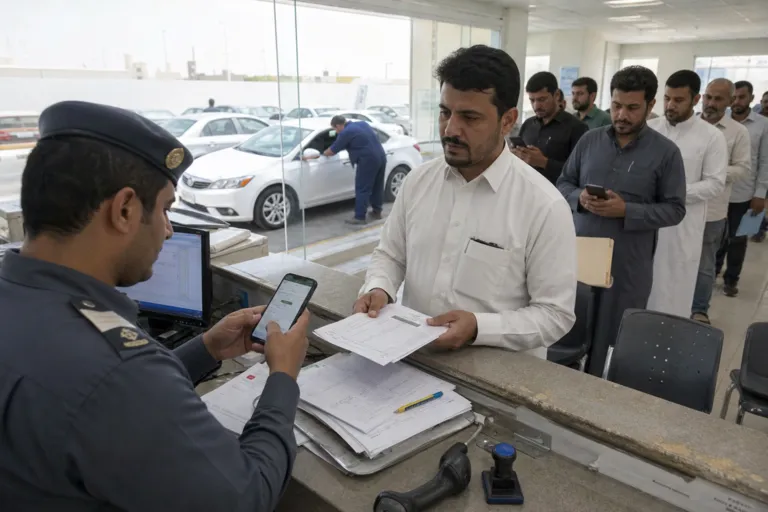
Saudi Arabia’s passenger-transport landscape is entering a more compliance-led phase in 2026. In the first quarter of 2026 alone, ride-hailing applications exceeded 32 million trips, representing a 15.77% increase versus the same period last year, according to statements issued by the Transport General Authority (TGA). That kind of growth puts pressure on licensing discipline, operator controls, and the day-to-day enforcement tools that keep service reliable. The emerging picture is an overhaul that emphasizes clearer permissions to operate and stronger verification expectations, so riders can trust the service they book and the market can scale without sacrificing safeguards.
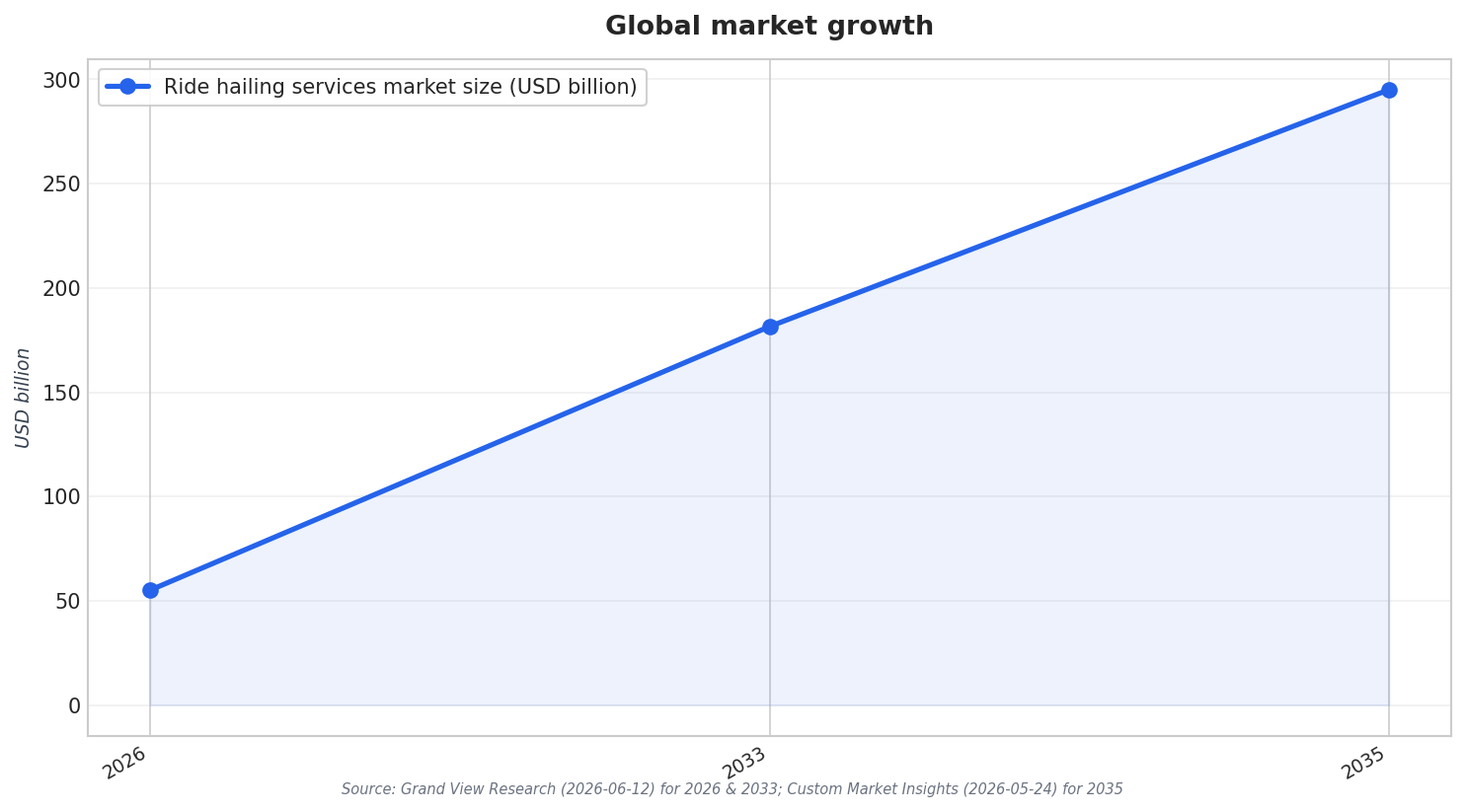
At a global level, multiple market studies frame why regulators increasingly focus on passenger safety, labor compliance, and data protection frameworks. One global outlook expects ride-hailing services to record a 19.47% CAGR from 2026 to 2035, with a market size of USD 59.34 billion in 2026 and an anticipated USD 295.06 billion by 2035. Another projection places the ride-hailing market at USD 184.49 billion in 2026 and USD 392.27 billion by 2031, growing at a 16.29% CAGR from 2026 to 2031. A separate estimate projects growth from USD 55.1 billion in 2026 to USD 181.5 billion by 2033 at an 18.6% CAGR. These figures are global, not Saudi-specific, but they help explain why policy frameworks are repeatedly cited as a key enabler of adoption across markets.
What a 2026 Compliance Reset Typically Targets
As Saudi Arabia sharpens its 2026 approach, the direction aligns with recurring themes seen across industry commentary: compliance can become a competitive tool when licensing is treated as a first-order business requirement, not a back-office task. One 2026 industry overview argues that founders who secure licenses early can strengthen their position and build trust with city regulators who shape operating rules. Globally, government involvement is described as significantly influencing market development, with emphasis on passenger safety, labor compliance, and data protection frameworks. This is the practical core of the TGA passenger transport regulation 2026 conversation: defining who can operate, under what conditions, and what systems must exist to keep riders protected and regulators confident.
Technology shifts make licensing and compliance even more central. Globally, app-based transactions represented 87.21% of ride-hailing activity in 2025, illustrating how much demand now flows through digital booking and the data trails that come with it. Service mix also matters: e-hailing accounted for 73.62% of the global ride-hailing market size in 2025, while internal-combustion engines held 72.74% of propulsion share in 2025 even as battery-electric vehicles are projected to track a 16.55% CAGR to 2031. Another industry source reports that over 350,000 electric vehicles were added to ride-hailing fleets globally by the end of 2025, and that 14 large operators committed to adding more than 100,000 EVs by 2026. These are global metrics, but they signal why compliance rules often evolve alongside digital systems, fleet standards, and new operating models.
For Saudi riders and operators, the near-term takeaway is simple: higher utilization, like the TGA-reported Q1 2026 trip increase, tends to be followed by more structured oversight. In many markets, regulators increasingly nudge commuters away from private vehicle ownership toward shared mobility, while platforms use AI-based dispatch to optimize routes and reduce empty miles; one example cited is Lyft achieving sub-one-minute ETA accuracy in San Francisco using historical and live traffic feeds. Those examples are not Saudi data, but they illustrate the operational sophistication regulators may expect as volumes rise. As licensing and compliance rules tighten, operators that can document adherence, maintain consistent service, and align with evolving expectations are typically best positioned to win rider trust.
What did the TGA report about ride-hailing activity in Q1 2026?
Why does a licensing and compliance overhaul matter when trip volumes rise?
How do global market trends support the idea of stronger regulation?
What is meant by Saudi Arabia’s 2026 TGA passenger transport regulation shift?