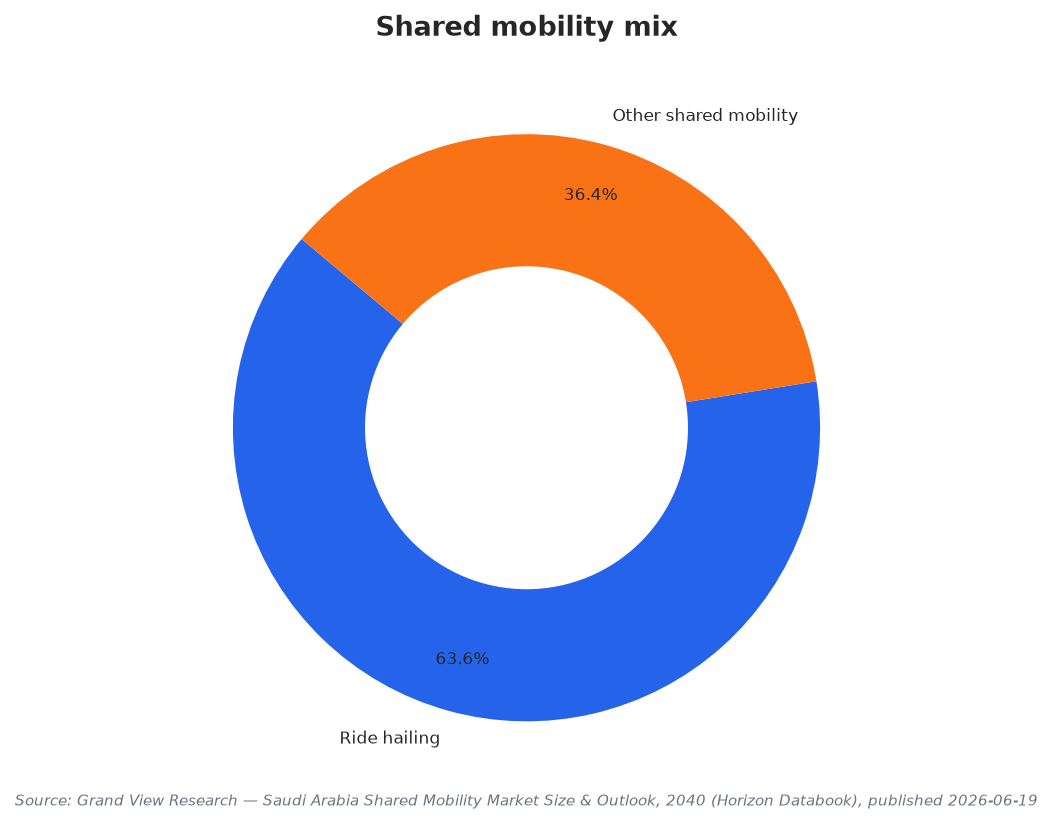
Saudi mobility is being rebalanced by regulation and labor-nationalization priorities, and the debate around Saudi ride-hailing gig driver Saudization sits inside that shift. In the Middle East ride-hailing taxi market, Ken Research values the regional market at USD 3.8 billion, and it highlights key hubs such as Riyadh alongside Dubai and Cairo. Within Saudi Arabia’s shared mobility landscape, Grand View Research notes that ride hailing was the largest revenue-generating service model in 2023, holding a 63.64% revenue share. Together, these signals point to a sector where policy decisions can quickly influence platform growth, driver supply, and consumer experience.
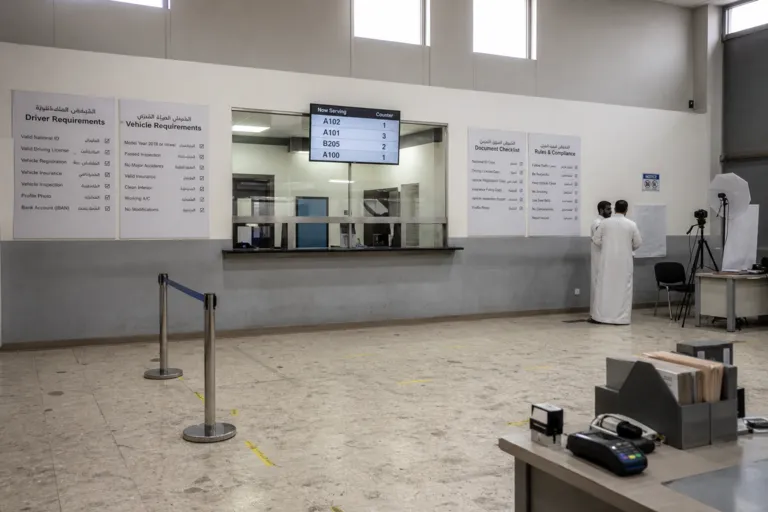
Saudi authorities have also moved to formalize standards for ride-hailing operations. Ken Research states that, in 2023, Saudi Arabia implemented Ride-Hailing Services Regulations issued by the Transport General Authority (TGA). The source lists mandatory background checks for drivers, vehicle inspection requirements, and a regulatory framework designed to ensure compliance with safety standards. These types of rules matter for gig-style work because they set the baseline requirements a driver must satisfy before earning on a platform. They also shape operator processes, from onboarding to ongoing compliance, which can affect availability and reliability for riders.
Why Gig-Driver Compliance Is Now a Core Mobility Lever
Across the wider industry, regulatory and labor compliance is increasingly treated as a cost and growth variable, not a side issue. Fortune Business Insights notes that compliance with local labor laws, including mandates around driver benefits and employment status, can increase operational costs. The same source adds that restrictions on surge pricing and caps on the number of vehicles can limit revenue potential and create barriers for new entrants. While those points are not Saudi-specific in the source, they provide a useful lens for understanding how any tightening of gig-driver rules can reshape unit economics, platform incentives, and the balance between rider demand and driver supply.
The knock-on effects show up in adjacent mobility categories that compete with, or complement, ride-hailing. Ken Research’s KSA car rental analysis says operators face rising pressure from ride-hailing firms and tight regulatory requirements, including license categories and e-contract mandates, which increase compliance costs and intensify price competition. The same source connects mega projects such as NEOM and the Red Sea to higher corporate fleet requirements, and it states that expatriates account for 44% of Saudi Arabia’s population, supporting leasing demand where residency status is required. Separately, Mordor Intelligence’s Middle East car rental report flags that labor-nationalization rules and ride-hailing substitution pressure can temper near-term margins in the region’s car rental market.
Digitization is the other force intersecting with gig-driver rules, because compliance increasingly runs through apps and platforms. Mordor Intelligence reports that online channels captured 63.12% of transactions in the Middle East car rental market in 2025, reflecting how quickly mobility purchasing is moving toward digital rails. In ride-hailing globally, Mordor Intelligence also reports that app-based transactions covered 87.21% of the market in 2025, reinforcing that most matching, pricing, and quality control happens through software. For Saudi Arabia, that digital reality makes enforcement practical: onboarding checks, vehicle inspections, and service standards can be tracked and audited at platform scale, which in turn makes labor and safety policy a direct input into everyday mobility.
How does Saudization affect Saudi ride-hailing gig drivers?
What is the ride-hailing share inside Saudi Arabia’s shared mobility market?
What did the 2023 Saudi ride-hailing regulations include?
How are car rental operators in Saudi Arabia being impacted by ride-hailing and regulation?
What role does digital booking play in mobility compliance and growth?