Saudi cold chain logistics is the system that keeps temperature-sensitive goods safe while they move. It matters because a small temperature change can ruin a vaccine, insulin, or fresh food. Saudi Arabia is transforming its pharmaceutical logistics backbone so that every vaccine, insulin vial, and cancer drug arrives on time and intact. During the COVID-19 pandemic, the cold chain was stress-tested as millions of mRNA vaccines needed an unbroken chain of freezers, GPS-monitored vans, and temperature sensors.
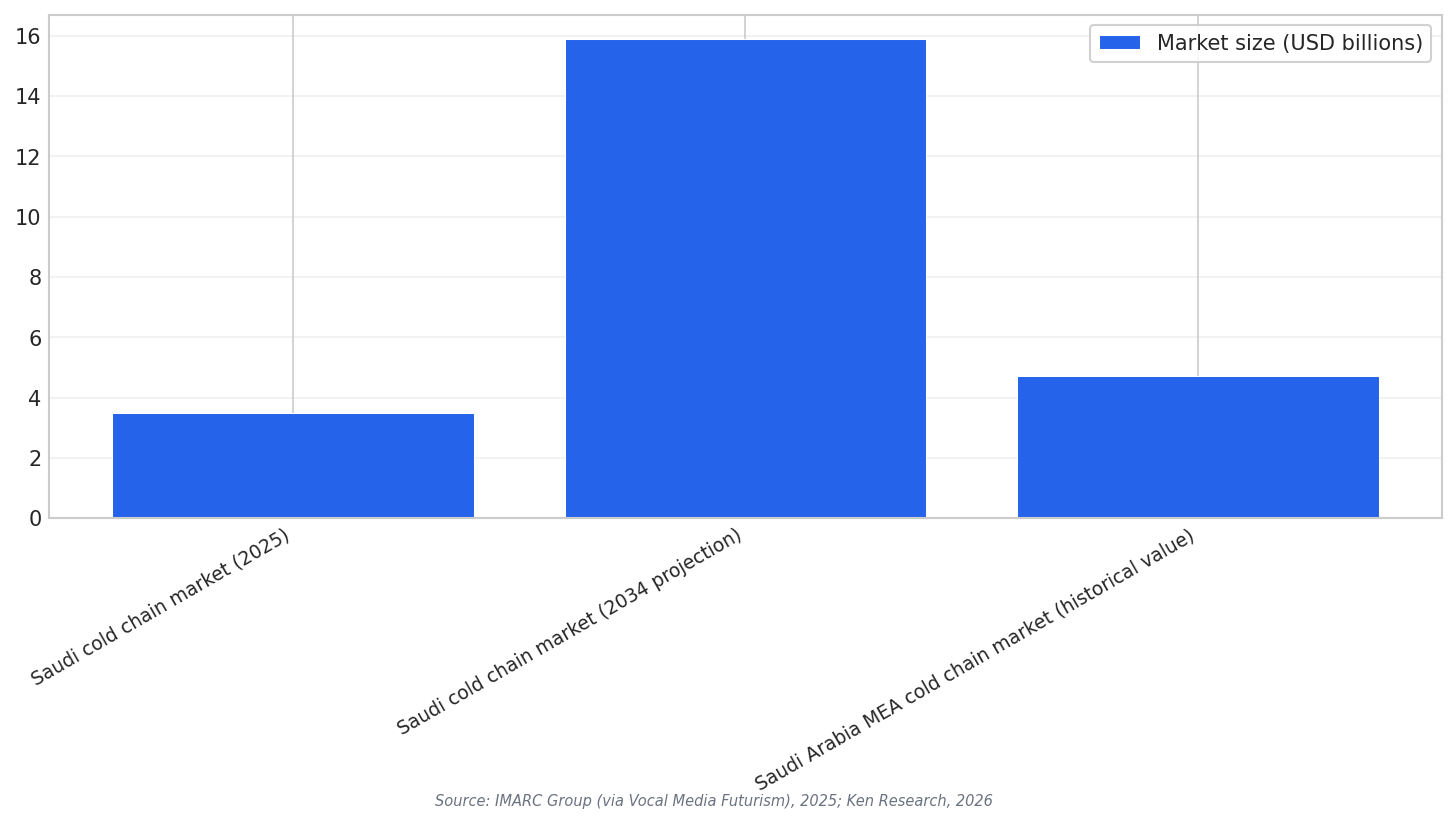
The market numbers show how fast this area is expanding. IMARC Group values the Saudi Arabia cold chain market at USD 3.5 billion in 2025 and projects it will reach USD 15.9 billion by 2034. Ken Research also values the Saudi Arabia MEA cold chain market at USD 4.7 billion based on a five-year historical analysis. These figures point to rapid change, with demand coming mainly from food and pharmaceuticals.
In the GCC, conditions make cold chain work harder. Summer temperatures often soar above 45°C, so providers must prevent spoilage and protect quality. Cold chain logistics covers transport, storage, and handling under controlled conditions. Typical ranges include chilled storage at 0–5°C, frozen storage at -18°C and below, and ultra-low temperatures at -70°C for certain pharmaceutical products, biologics, and vaccines.
Why Pharma and Vaccines Push Higher Standards
Pharma logistics needs strict control end to end. One example is a 2°C-sensitive COVID-19 vaccine. Another is a chemotherapy drug with a 48-hour window. Saudi Arabia’s healthcare ambitions also raise the stakes. Driven by Vision 2030, the Kingdom targets 75 per cent localisation of pharmaceutical manufacturing by 2030, which increases the need for reliable storage, tracking, and distribution inside the country.
Regulation and compliance shape daily operations. Agencies like the Saudi Food and Drug Authority and the Ministry of Health mandate specific storage and handling conditions for food and pharma products. On the business side, SFDA projects the Kingdom’s pharmaceutical market will reach SAR 50 billion by 2026, growing at a CAGR of 5.5 per cent. Ken Research also projects the pharmaceutical cold chain market in Saudi Arabia will reach $600 million in the future, driven by demand for temperature-sensitive medications and vaccines.
Technology and infrastructure are key enablers, but costs and geography create gaps. One source estimates that AI-powered IoT sensors can cut product spoilage by up to 40% and reduce cooling energy use by 20% through real-time monitoring and optimization. At the same time, operational costs for cold chain logistics are estimated at around SAR 3 billion annually. Another constraint is access: about 30% of Saudi Arabia’s population resides in remote areas with inadequate cold chain infrastructure, making last-mile delivery and reliability harder.
What is Saudi cold chain logistics?
How big is the Saudi Arabia cold chain market?
What temperatures are common in cold chain logistics for food and pharma?
Why did vaccine distribution increase focus on cold chain systems?
What are two key challenges for cold chain operations in Saudi Arabia?