Hajj Mobility 2026 is not just about adding vehicles. It is about running one coordinated Hajj transportation strategy from arrival to departure. Saudi Arabia’s Ministry of Hajj and Umrah has finalised transport preparations for the 2026 Hajj season. The plan focuses on smooth movement and safety across the holy sites. It also includes access management to the Jamarat site and the holy sites metro, plus oversight of transport between the holy sites.
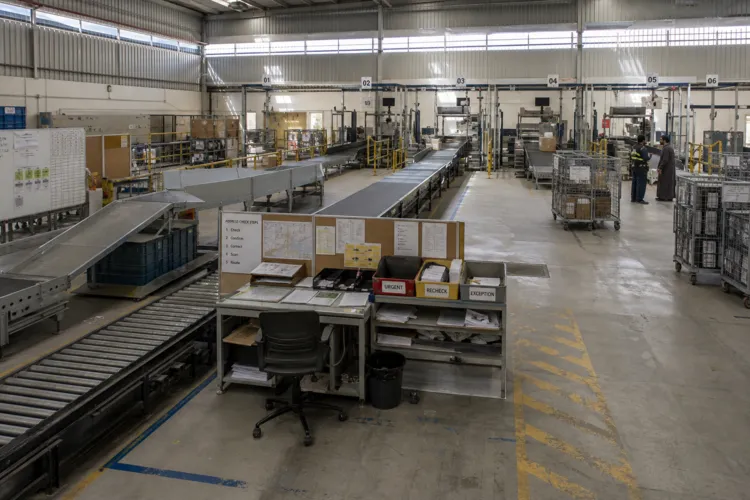
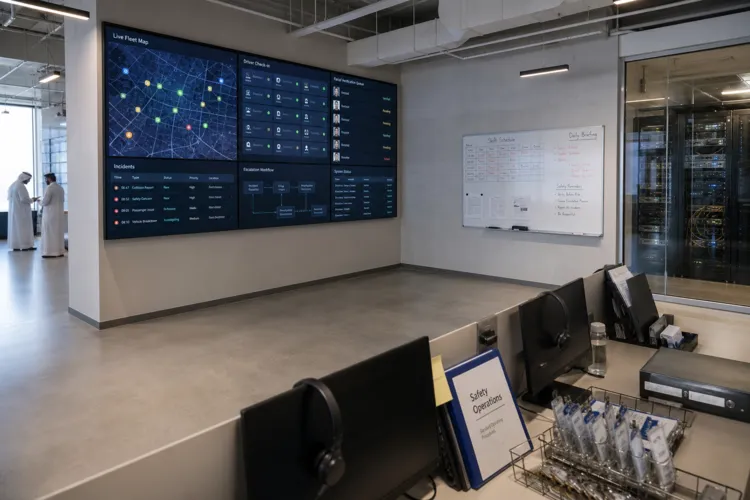
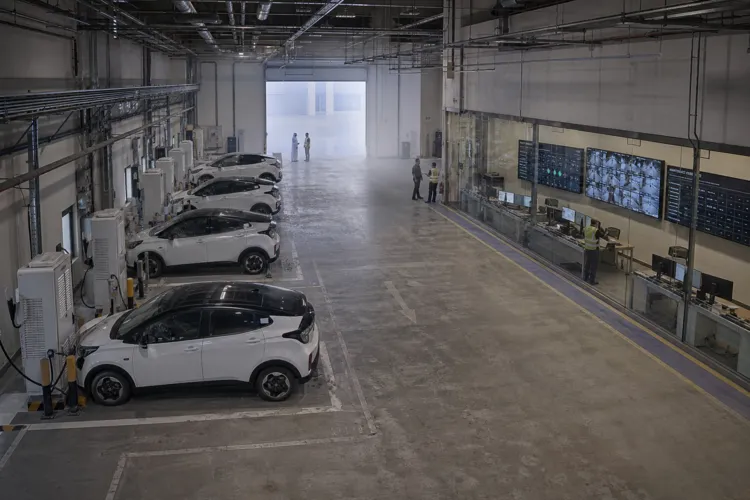
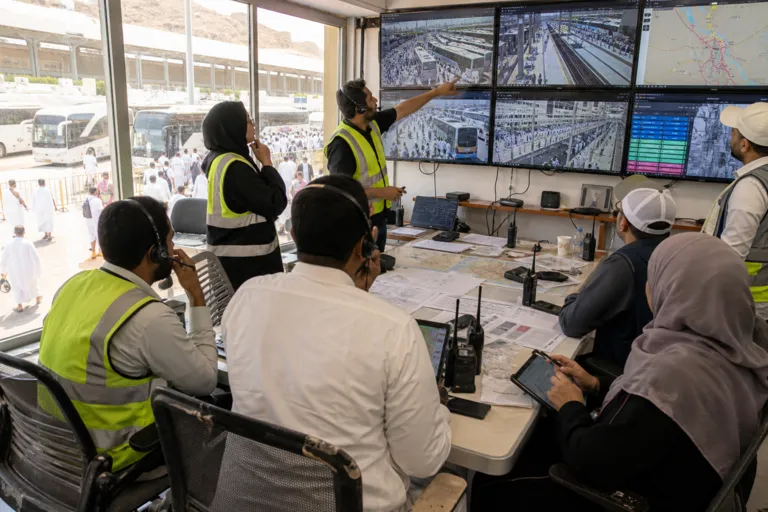
The biggest change is integration. Public updates describe a multimodal model that links air, rail, bus, and logistics under a single movement plan. Central control centers monitor traffic flows in real time and can adjust routes, departures, and fleet allocations as demand peaks. Authorities also urge pilgrims to follow approved movement schedules and comply with movement regulations. The message is clear: schedules help keep the flow orderly and safe.
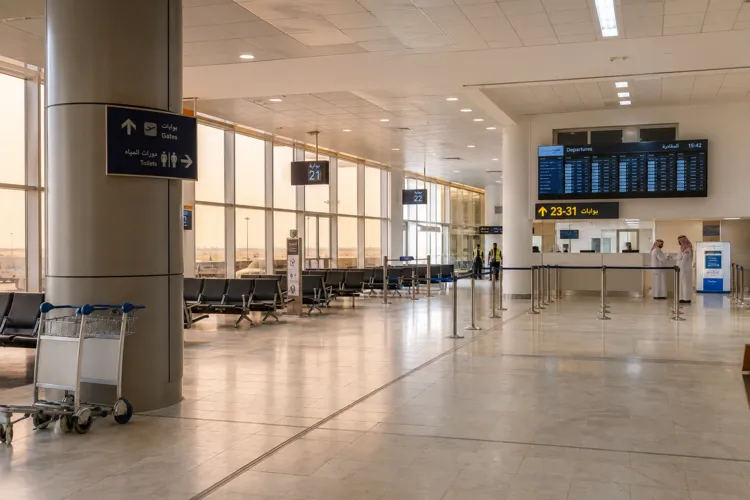
Capacity planning shows the scale of the operational push across transport modes. More than 3.1 million airline seats have been allocated across over 12,000 flights. The Haramain High-Speed Railway has expanded capacity to over 2.2 million seats through 5,308 scheduled journeys. On the roads, readiness also includes a fleet of buses and taxis under heightened safety checks. Pilgrims arriving by sea are supported too, as Jeddah Islamic Port continues receiving arrivals as part of the integrated network.
Road Readiness and Site Infrastructure: The Unseen Backbone
Road performance matters because congestion can ripple through every timetable. The Roads General Authority announced an advanced fleet of road surveying equipment with high-resolution cameras and laser sensors. It can detect surface defects, including cracks and rutting, to an accuracy of 0.05 millimetres. This supports a data-driven approach that aims to find issues before they affect operations during the Hajj period.
On the ground at the ritual areas, municipal readiness is also part of mobility. The Ministry of Municipalities confirmed readiness across more than 73 million square metres of infrastructure in Mina, Arafat, and Muzdalifah. That includes 123 bridges and 44 tunnels. The work is supported by over 22,000 field personnel operating around the clock, helping keep key corridors and facilities functional during peak movement windows.
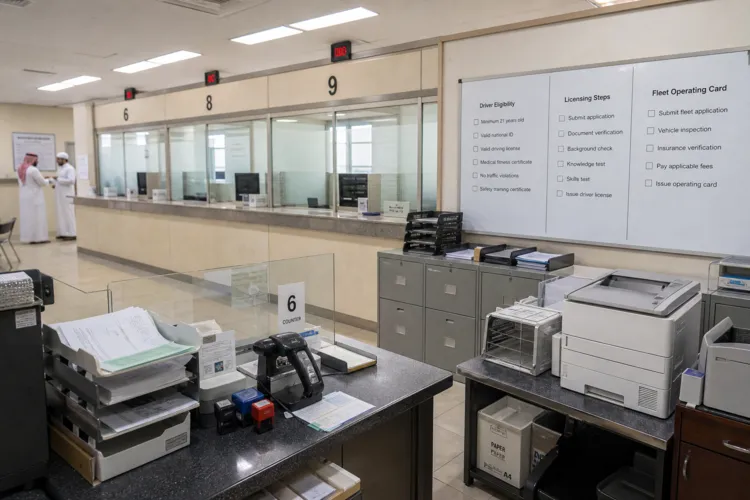
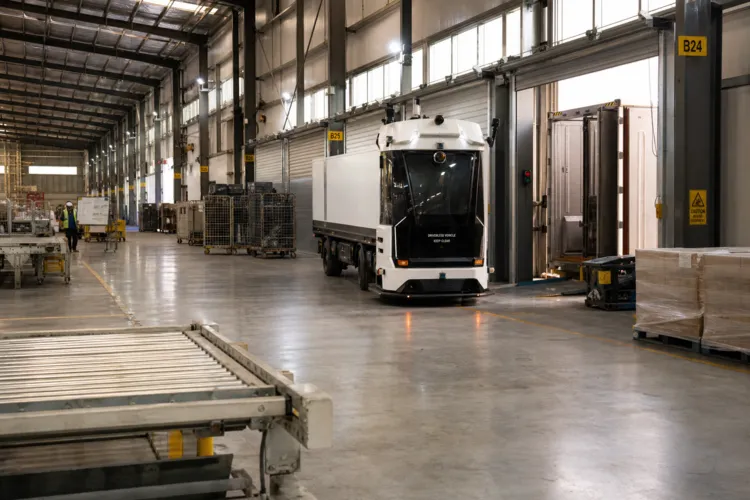
Sustainability is also entering the transport conversation. One report says pilgrims will have greater access to zero-emission buses and automated trams for movement between ritual sites. This connects to the broader idea of using innovation to manage the pilgrimage at scale. At the same time, enforcement and guidance are tightening. Reports describe pilgrims being guided into official, preplanned routes and vehicles from the moment they land, alongside discouraging informal or unlicensed vehicles and redirecting passengers to approved services.
What is the main goal of the Hajj transportation strategy for 2026?
How much air and rail capacity is allocated for Hajj 2026?
How is Saudi Arabia improving road readiness for Hajj 2026?
What infrastructure readiness is confirmed in Mina, Arafat, and Muzdalifah?
What sustainable transport options are mentioned for Hajj 2026?