Riyadh is moving into a new public transport era. The Riyadh Metro opened on December 1, 2024, and it is part of the King Abdulaziz Project for Riyadh Public Transport. This wider program also includes the Riyadh Bus network, built to work in seamless integration with the metro. The metro system spans 176 kilometers across six lines and connects 85 stations. Its daily capacity is expected to reach 3.6 million passengers.
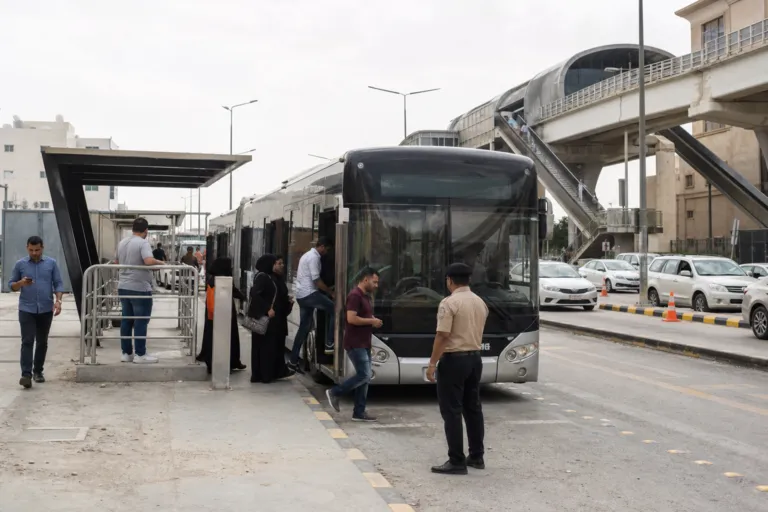
Bus rapid transit Riyadh matters because the metro is not meant to work alone. The metro project is described as a centerpiece that is integrated with an 85-kilometre three-line bus rapid transit (BRT) network. Another source also describes a BRT network of approximately 85 kilometres that complements the metro. This design supports citywide mobility goals, including reducing reliance on private vehicles, easing congestion, and improving quality of life.
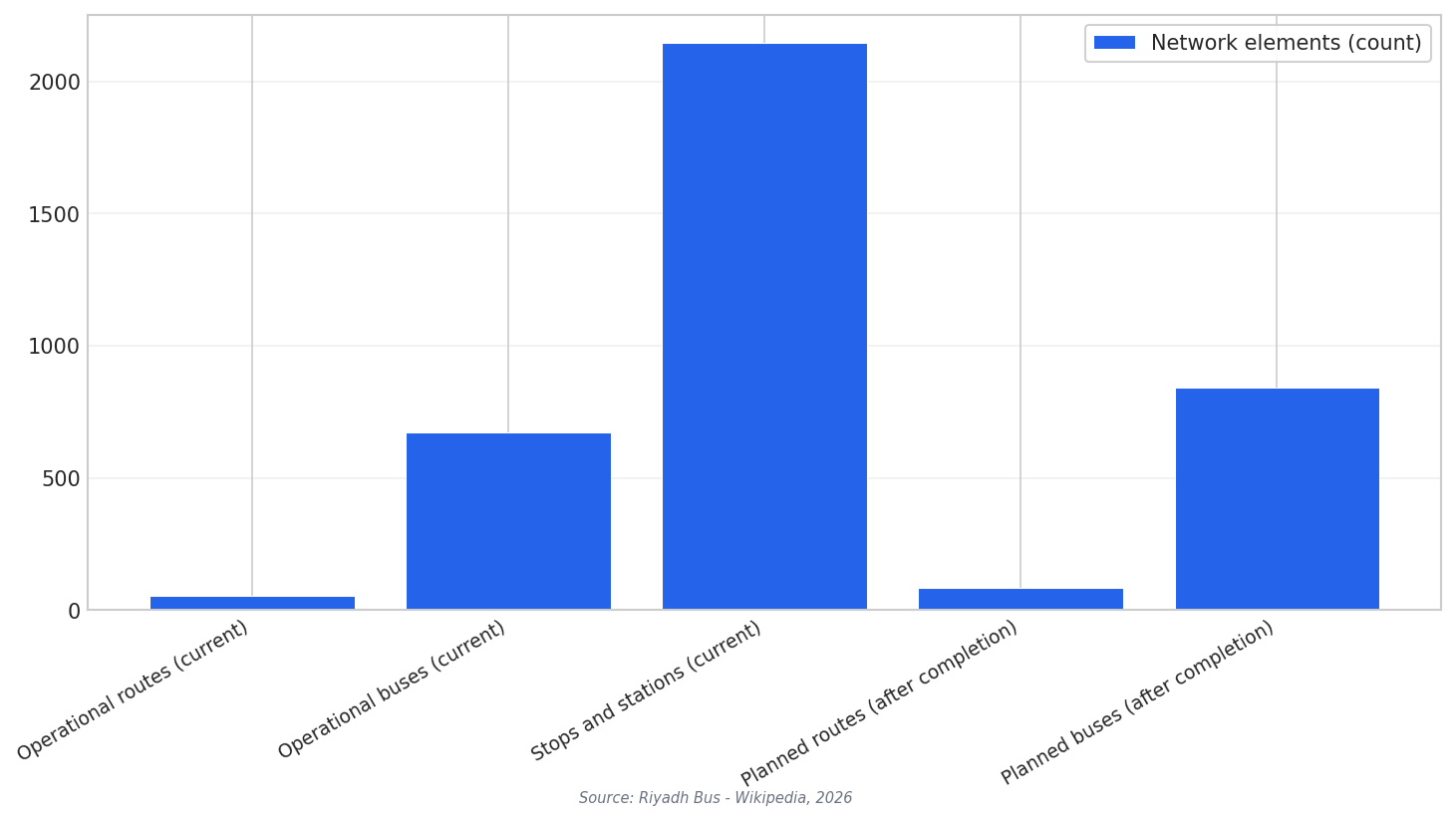
The wider bus program is large, and it gives the metro reach beyond rail corridors. Riyadh Bus is described as a comprehensive public bus service network system of 1,905 km. After the fifth phase deployment, there are 53 operational bus routes, 672 buses, and 2,145 bus stops and stations. After completion, the network is expected to feature 86 bus routes covering 1,900 kilometers with 2,860 bus stations and stops served by 842 buses.
How BRT Complements the Metro in Daily Travel
BRT plays a direct role in making metro trips practical. The bus network is planned with three categories: three bus rapid transit routes, a community lines network, and feeder bus lines. The BRT routes are described as providing 160 km of dedicated bus lanes serving high-capacity corridors. Feeder bus lines are designed to provide seamless connections with the metro and BRT system. This is where riders can shift from neighborhood streets to fast corridors and then into the metro.
This integrated approach is tied to clear outcomes in the metro project materials. The metro project is expected to reduce car trips by nearly 250 thousand trips per day. It also links this shift to 400 thousand liters of fuel per day and lower air pollutant emissions in the city. The Royal Commission for Riyadh City frames the overall program as a way to reduce excessive reliance on private vehicles, alleviate congestion, reduce travel times, and enhance connectivity to destinations such as universities, hospitals, and government facilities.
The metro lines connect key landmarks, including King Khalid International Airport and the King Abdullah Financial District. But buses are what help riders reach stations from more streets and districts. One guide says the Riyadh bus network was designed as the natural complement to the metro. It describes about 1,900 kilometers of coverage, over 2,000 stops, and more than 600 buses in service, with a target of 842 buses. In practice, BRT and feeder buses help turn a station into a usable starting point, not the end of a trip.
What is Bus rapid transit Riyadh and how does it relate to the metro?
How big is the Riyadh Metro system?
How many routes, buses, and stops are operating in Riyadh Bus today?
What is planned for the Riyadh bus network after completion?
What impact is the metro project expected to have on car trips and fuel use?