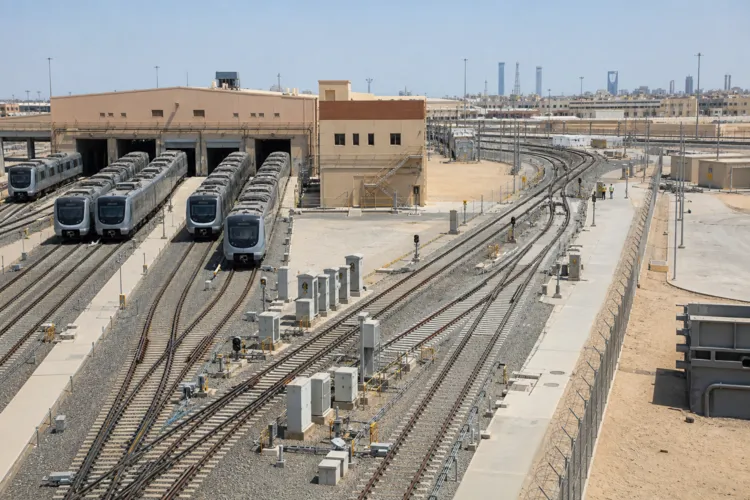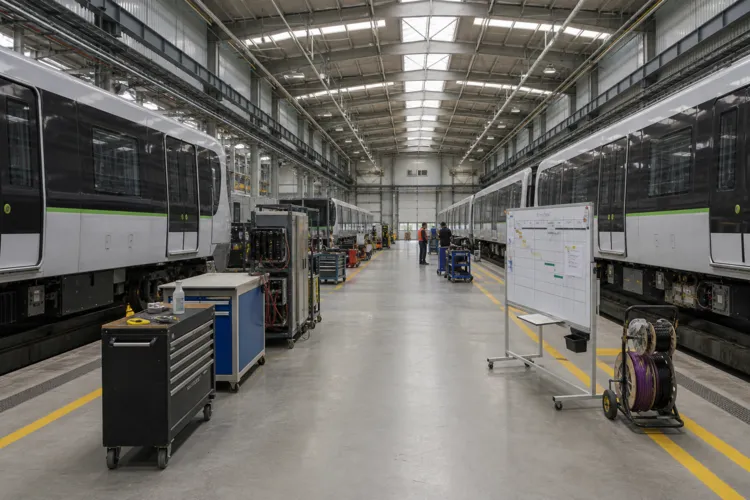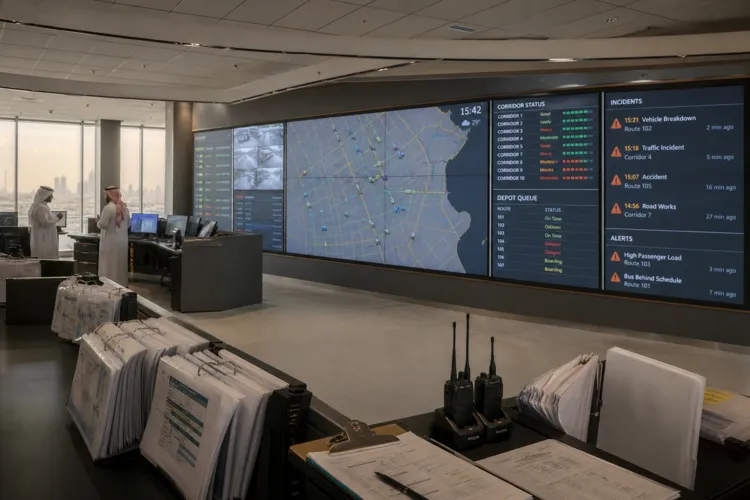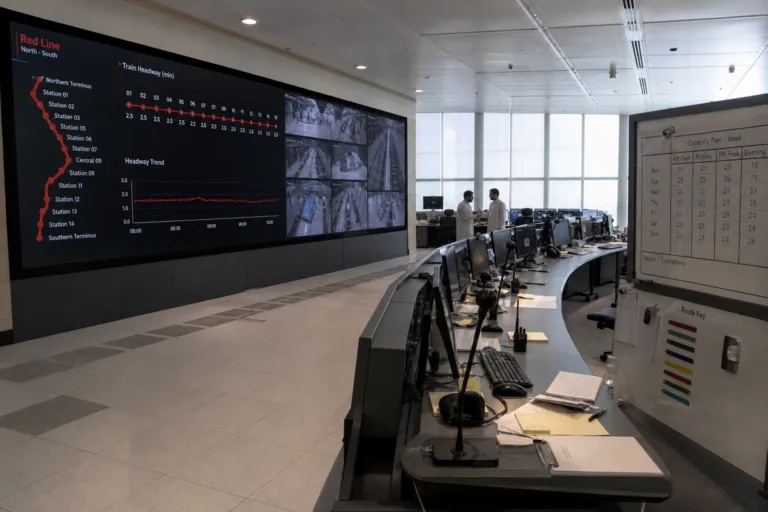
Riyadh Metro is moving to add more trains where demand is most intense. The Royal Commission for Riyadh City (RCRC) signed contracts worth about SR5.5 billion (about $1.5 billion) to procure 94 additional trains for the metro network. The deals were awarded to Siemens and Alstom and cover rolling stock manufacture, onboard systems, equipment, and related services. With this purchase, the metro fleet increases from 183 to 277 trains. RCRC says deliveries are due to begin in phases in 2028, and that each batch will go through testing and operational trials before entering service.
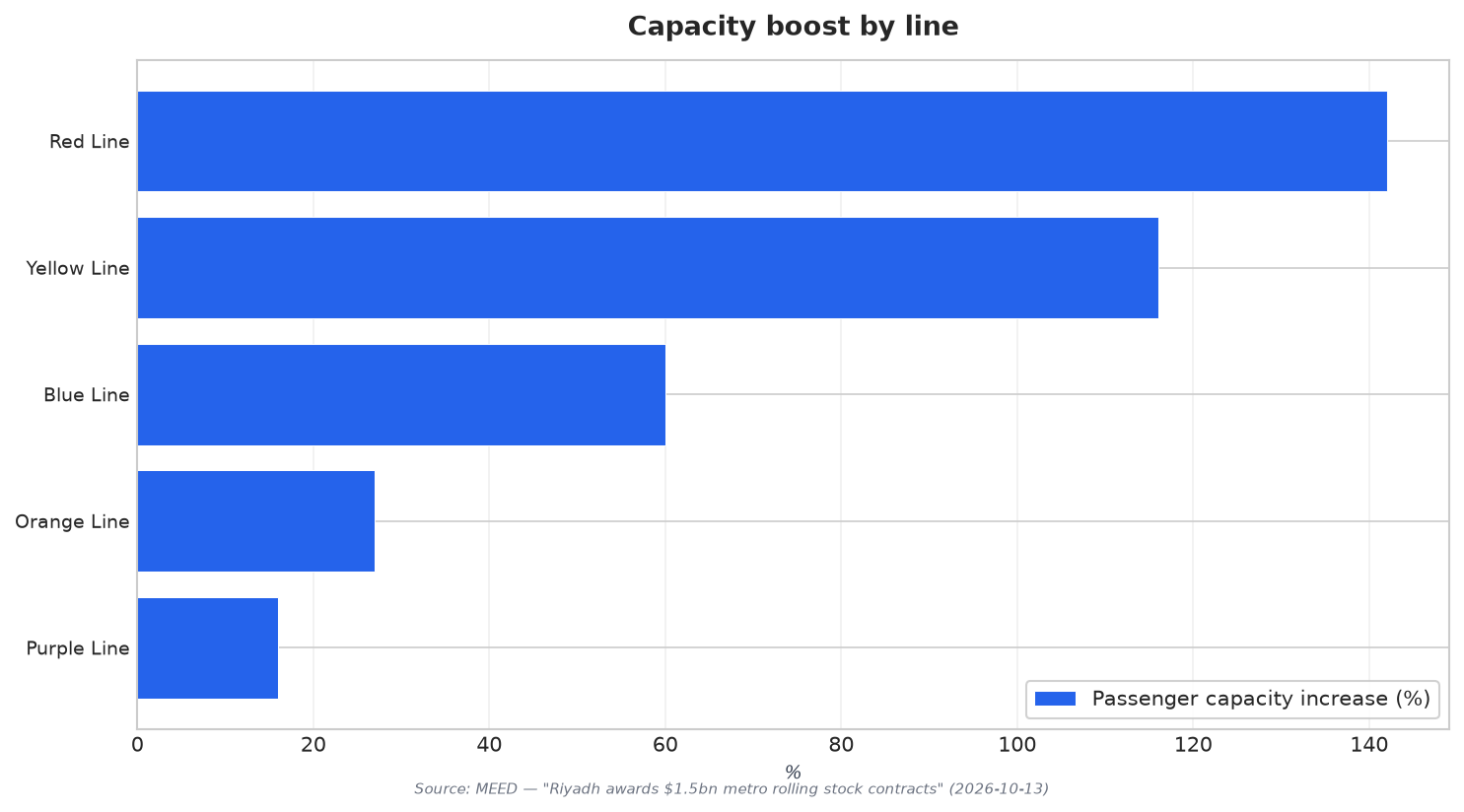
The centrepiece of the announcement is how the new trains are distributed across the six lines. RCRC says allocation is based on current demand and projected ridership. The Red Line is set to receive the largest capacity increase, while other lines also rise: the Yellow Line by 116%, the Blue Line by 60%, the Orange Line by 27%, and the Purple Line by 16%. In the same programme, RCRC expects the overall network’s passenger capacity to increase by 60%. That combination of network-wide uplift and targeted line-by-line increases is the logic behind focusing the hardest push on the corridor where the metro needs it most.
Why the Red Line Is the Hardest-Hit Demand Corridor
RCRC’s line-level capacity figures show how sharply the Red Line is being reinforced. Daily capacity on the Red Line is expected to rise from 154,000 passengers a day to 370,000 passengers a day. This is the line where the fleet expansion “hits the hardest” in practical terms, because the uplift is communicated not only as a percentage but also as a step-change in the number of passengers the line can handle each day. For readers tracking the keyword topic, this is the clearest expression of the Riyadh Metro Red Line capacity 142 percent discussion: the percentage sits behind a daily-capacity jump that RCRC has quantified.
The Red Line is not the only corridor being scaled up, and the comparisons underline why it stands out. RCRC says the Blue Line’s daily capacity is set to increase from about 340,000 to 533,000 passengers, while the Yellow Line will increase from 133,000 to more than 288,000 passengers per day. Yet, even with these major upgrades, the Red Line is still the largest percentage increase in the programme. RCRC frames these choices as demand-led, stating the additional trains will be distributed according to passenger demand and projected ridership as the city’s public transport usage continues to grow.
The expansion is timed against rising usage and major-event readiness. RCRC chief executive Ibrahim Al-Sultan said the metro has carried more than 300 million passengers since it began operating. He also said average metro ridership rose by about 25% in the first nine months of 2026 compared with the same period in 2025. Beyond the metro alone, total usage of Riyadh’s public transportation system, including buses and the metro, is approaching 500 million passenger journeys, and students at schools and universities have accounted for more than 20 million journeys. RCRC has linked the fleet expansion to preparing for Expo 2030 and the 2034 FIFA World Cup, alongside ongoing residential, commercial, and entertainment development.
What did RCRC buy in the SR5.5 billion Riyadh Metro expansion?
How many trains will Riyadh Metro have after the fleet expansion?
How much will the Red Line’s daily capacity increase under the 142% plan?
What are the capacity increases planned for other Riyadh Metro lines?
What ridership signals did RCRC cite to justify adding trains?