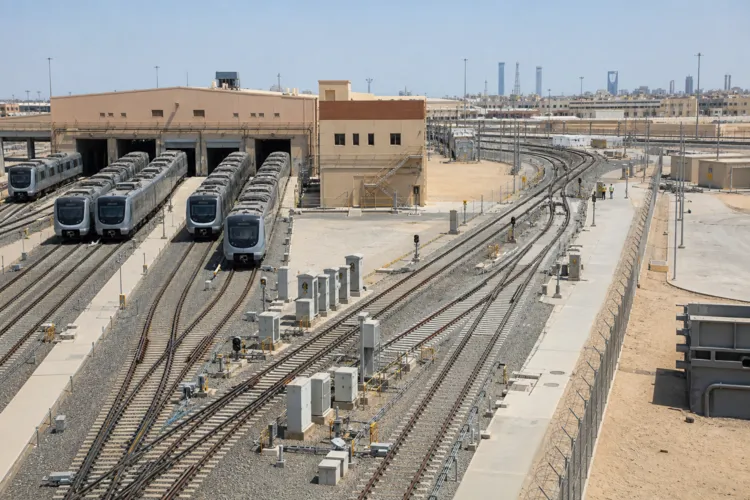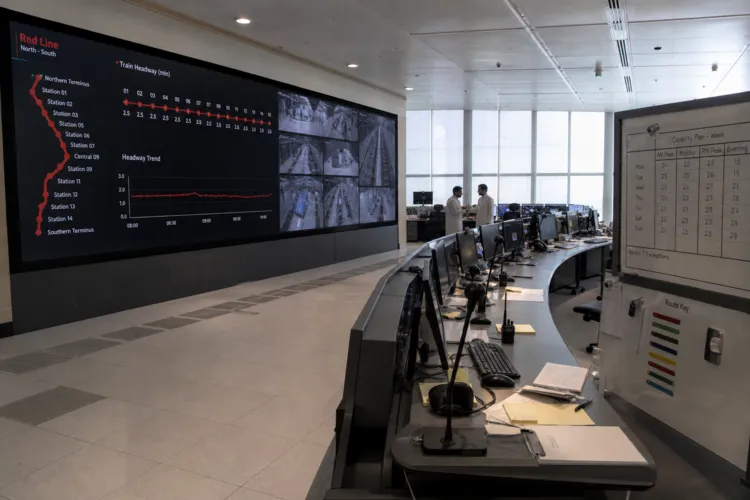
Riyadh’s metro expansion plan has moved from ambition to procurement. The Royal Commission for Riyadh City (RCRC) has signed contracts worth around SAR 5.5 billion to buy 94 additional train sets, with Siemens and Alstom named as the manufacturers. The new order increases the planned fleet from 183 to 277 train sets. RCRC has linked the purchase to a goal of lifting overall network passenger capacity by 60%, while emphasizing that deliveries are scheduled to begin in phases in 2028, followed by testing and operational trials before trains enter service gradually.
The deal is not framed as rolling stock alone. RCRC and reporting on the contracts describe an integrated package covering project-related works and services, including train manufacturing, onboard systems, equipment, and associated services. That matters for how quickly extra capacity can be realized once deliveries start. A larger fleet can support more frequent service and better resilience, but the passenger outcome depends on how many trains are in active rotation and how they are deployed across lines. RCRC says the additional trains will be allocated across the network’s six lines based on passenger demand and projected ridership.
Where the Extra Capacity Is Planned to Show Up
RCRC has published capacity uplift expectations by line, highlighting that the impacts will not be uniform. The Red Line is expected to see capacity increase by 142%, the Yellow Line by 116%, and the Blue Line by 60%. The Orange Line is set for a 27% capacity rise, and the Purple Line for 16%. RCRC’s communications also state that the Blue Line holds the highest capacity, even as the Red and Yellow lines show the largest percentage lifts. This line-by-line approach reinforces the message that distribution will follow ridership needs, rather than a simple even split of new trains.
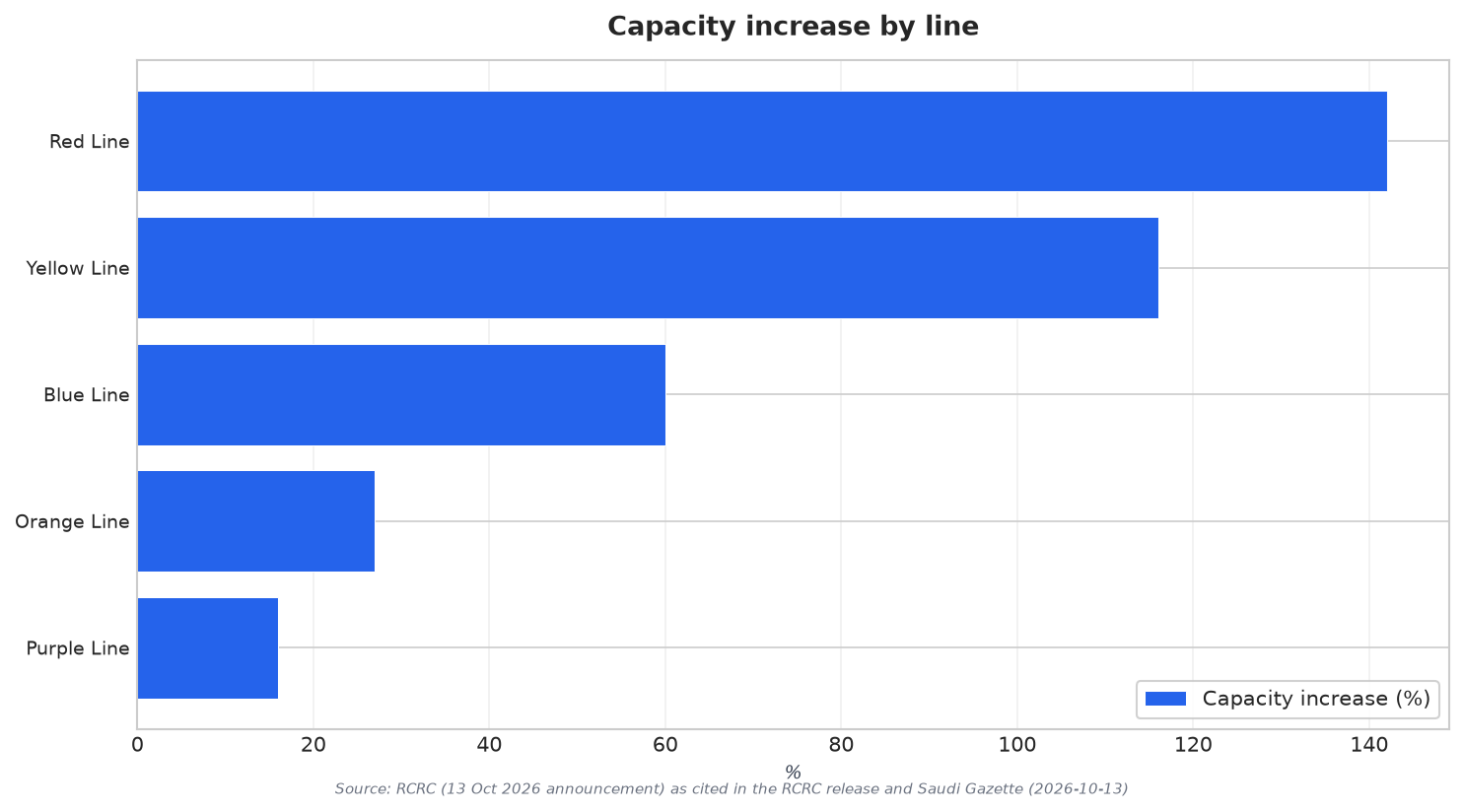
Some line-level daily capacity figures have also been disclosed. RCRC says daily passenger capacity on the Blue Line will rise from approximately 340,000 to 533,000. On the Red Line, capacity is expected to increase from 154,000 to 370,000 passengers. The Yellow Line is described as more than doubling, moving from 133,000 to over 288,000 passengers per day. These figures sit alongside the headline citywide goal of a 60% network capacity increase and provide clearer markers that can be checked as deliveries arrive and service patterns evolve during phased entry into operation.
The contracts arrive amid reported ridership growth. RCRC’s CEO has said the metro has carried more than 300 million passengers since operations began, and average metro ridership rose by approximately 25% between January and September 2026 versus the same period in 2025. RCRC also reports total usage of Riyadh’s public transportation network, including buses and the metro, is approaching 500 million passenger journeys, and that students at schools and universities accounted for more than 20 million journeys. In this context, the Riyadh Metro 94 new trains Siemens Alstom package is positioned as groundwork to absorb further demand and support preparations for major events including Expo 2030 Riyadh and the FIFA World Cup 2034.
Who is supplying the 94 new train sets for the Riyadh Metro?
When will deliveries of the new Riyadh Metro trains begin?
How much is Riyadh planning to increase metro passenger capacity with this order?
Which Riyadh Metro lines are expected to see the biggest capacity increases?
What does the Riyadh Metro expansion with 94 new trains from Siemens and Alstom change about the fleet size?