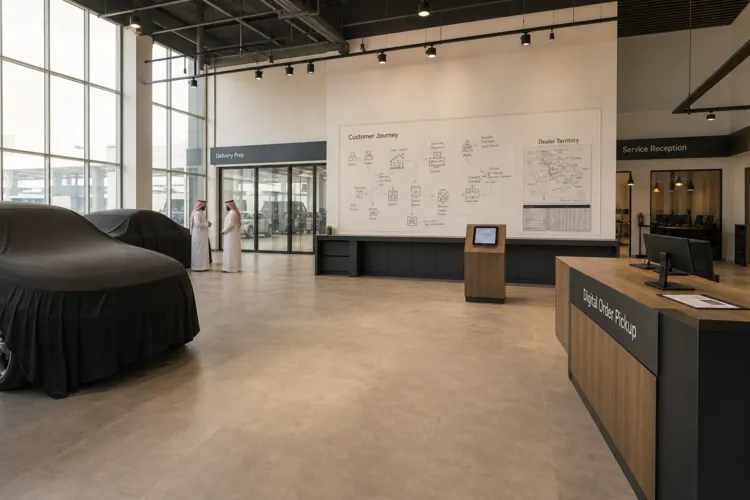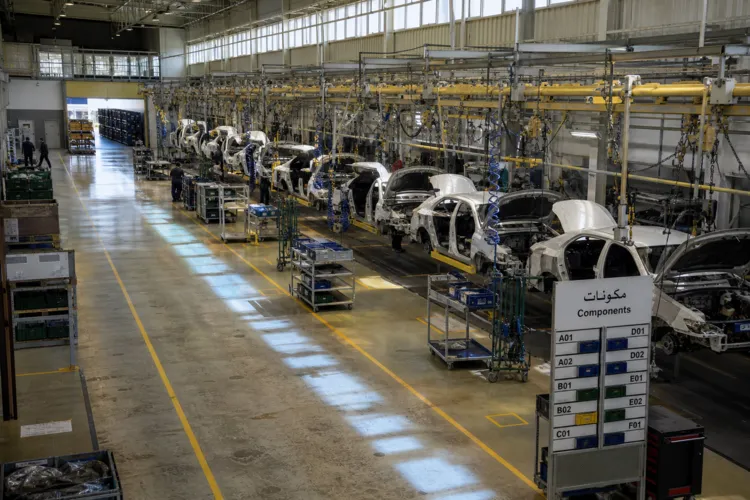
Chinese automakers are expanding across the Gulf as electric vehicles enter traditionally fossil fuel-driven markets, especially in Saudi Arabia, the UAE, and Qatar. Sales are projected to reach 30.05K units in the GCC in 2025 and potentially 36.62K units by 2029. In parallel, Chinese brands have been building awareness through retail presence. BYD has opened and is expanding “Showroom + Discovery Centers” in Saudi Arabia in Riyadh, Jeddah, and Dharan, while other Chinese OEMs, including Xpeng and SAIC Motors, have showcased vehicles through mall exhibitions in major Gulf cities. This presence sets the stage for deeper industrial commitments such as local assembly.
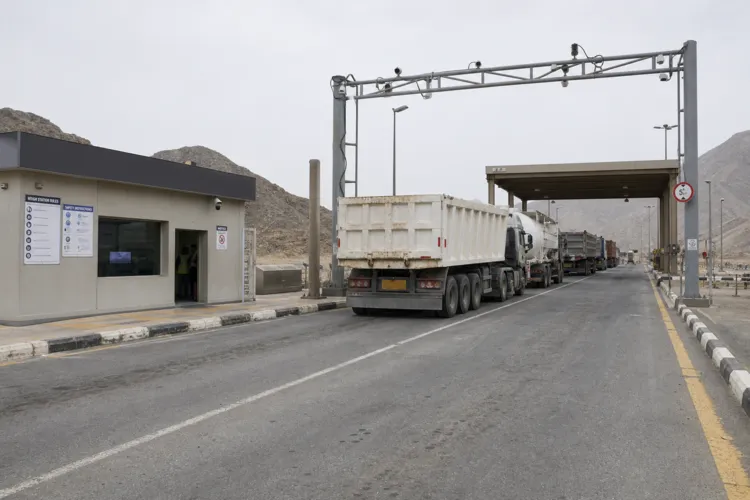
Tariff risk is a central driver behind the shift from pure exports to on-the-ground production models. In Europe, definitive countervailing duties of 7.8% to 35.3% on Chinese-made battery electric vehicles took effect on 30 October 2024 on top of the standard 10% import duty, with the maximum combined rate reaching 45.3%. A separate analysis notes Chinese manufacturers exported over 1.25 million EVs in 2024 despite facing 100% US tariffs and up to 35.3% EU tariffs. These pressures have pushed Chinese manufacturers to change strategy toward local assembly, licensing, contract manufacturing, joint ventures, and negotiated price undertakings. The same strategic menu is relevant when planning pathways in Saudi Arabia, even though those EU and US tariffs do not describe Saudi policy.
Local-Content Licensing Meets Joint-Venture Design
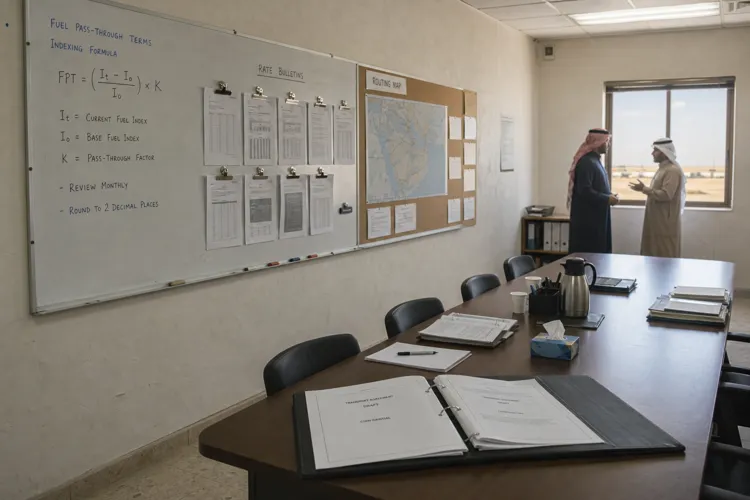
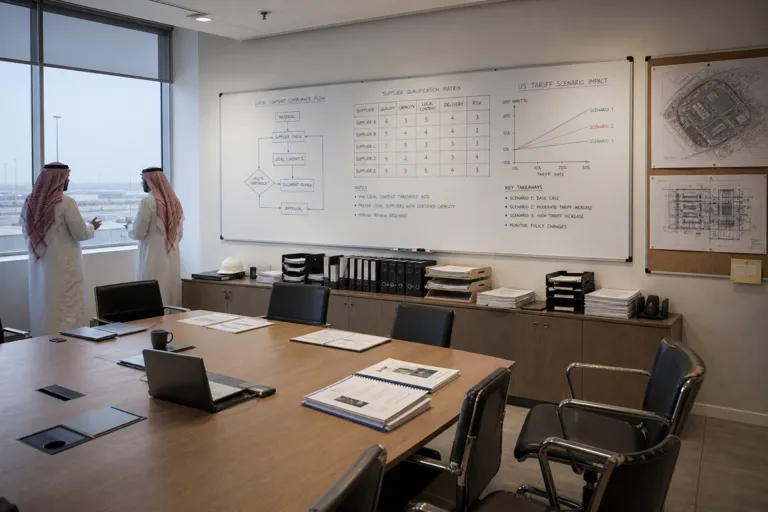
Saudi Arabia’s industrial policy adds a distinct local-content layer that shapes how assembly deals are structured. A market outlook notes that Saudi Arabia’s national regulator mandates local content thresholds under industrial development licenses, and that these frameworks shape which foreign manufacturers qualify for preferential financing and which powertrain architectures receive import duty relief. It also states that local content mandates under Saudi industrial licensing are forcing foreign assemblers to reconfigure supply footprints, accelerating joint ventures with domestic battery and chassis suppliers. For Chinese brands, this shifts the conversation from “how to ship more vehicles” to “how to design a supply and compliance footprint” that can scale over time without relying only on imports.
Joint ventures have already been part of the narrative in Saudi-linked EV manufacturing discussions, but progress can be uneven. One report says Chinese carmaker Enovate Motors announced a joint venture in 2022 to build a production and R&D base in Saudi Arabia for around $500m of investment, although it did not seem to have progressed since then. The same source cautions that early-stage partnerships can rely on imported Chinese batteries and steel, which may add limited value to local supply chains. That warning reinforces why local assembly plans increasingly need a clear local-content roadmap rather than a simple final-assembly solution.
For policymakers and manufacturers, there is also a strategic timing question: how to welcome investment while avoiding the risk of becoming a dumping ground for exports diverted from tariff-heavy markets. A Gulf-focused analysis argues that due to US and EU tariffs, Chinese vehicles are flooding GCC markets, and it urges Gulf states to establish their own regulatory standards. It also highlights how highly automated EV factories may not necessarily create jobs, a reminder that local assembly strategies should be evaluated on more than headline investment. Against that backdrop, the keyword topic—Saudi EV import tariffs, Chinese brands, and local assembly—becomes less about a single duty rate and more about aligning tariff relief, licensing, and joint-venture structures with measurable local value creation.
Why are Chinese EV brands considering local assembly instead of only exporting?
What local-content factor matters most for EV assembly in Saudi Arabia?
How does the Gulf EV demand outlook frame investment decisions?
What is an example of a Saudi-linked joint-venture announcement in EV production?
How do Saudi EV import tariffs, Chinese brands, and local assembly connect in practice?