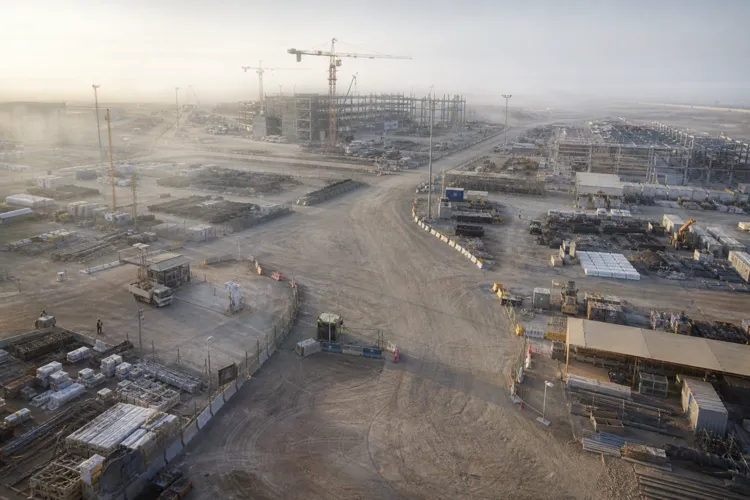
Hajj 2026 showed what it takes to run road transport at pilgrimage scale while keeping movements structured. Official statistics reported 1,707,301 pilgrims, including 1,546,655 international pilgrims and 160,646 pilgrims from within Saudi Arabia. Arrival data underlined why multimodal planning matters: 1,485,729 pilgrims arrived by air, compared with 54,429 by road and 6,497 by sea. That imbalance puts pressure on downstream mobility inside Makkah and between holy sites, where timing and sequencing matter as much as capacity. The operational answer described across Hajj coverage was not one silver bullet. It was a layered system that combines rail and road and depends on coordinated control.
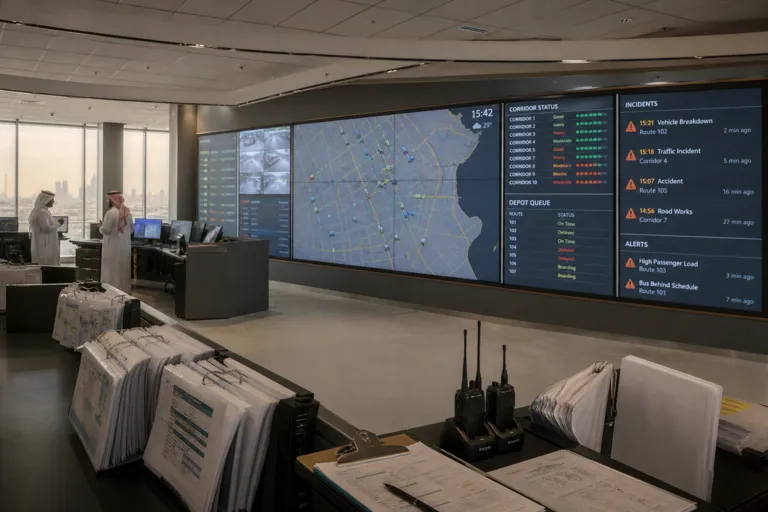
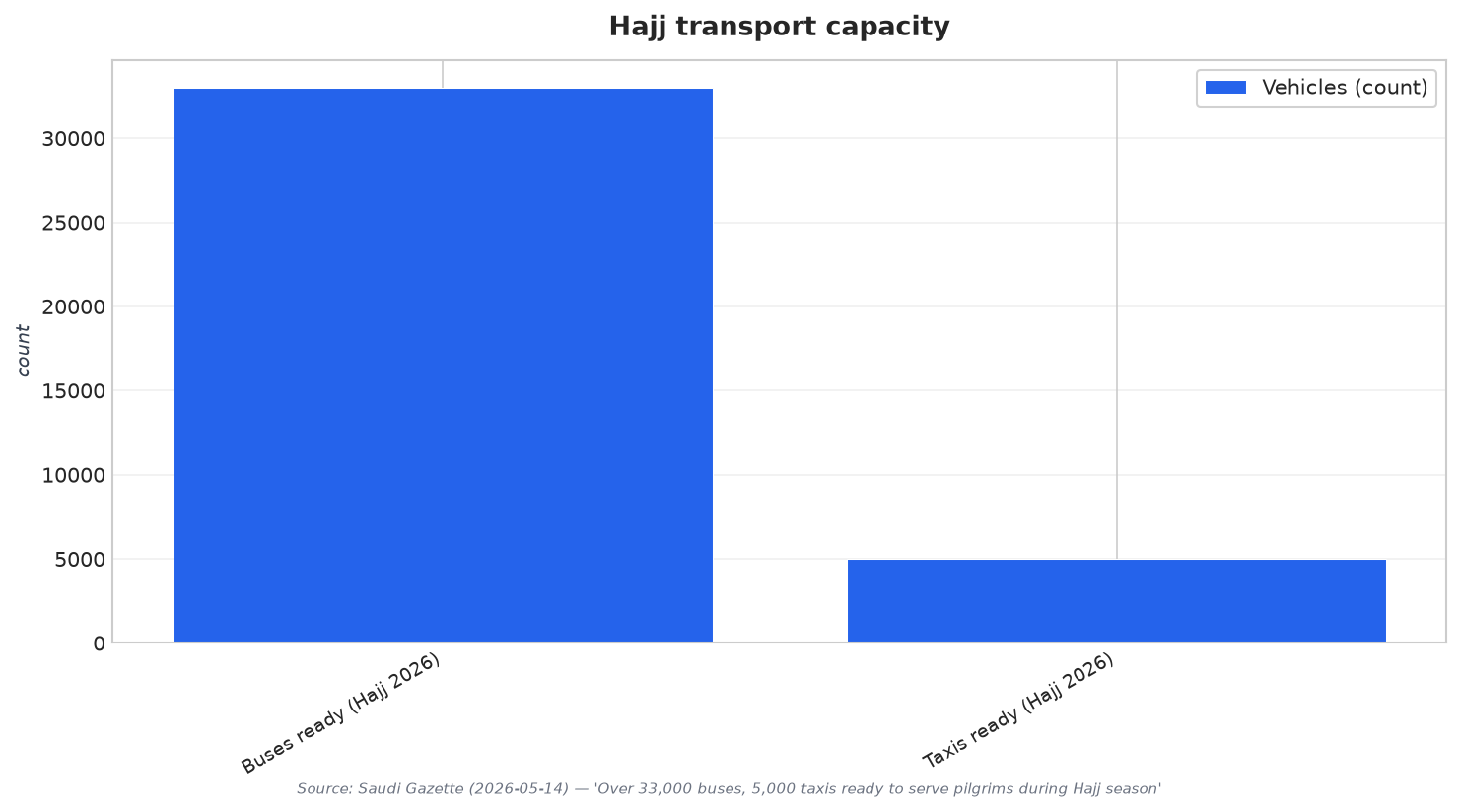
On the road side, Saudi Arabia’s Transport General Authority announced the readiness of more than 33,000 buses and 5,000 taxis to serve pilgrims during the Hajj season 2026. The same readiness theme appeared in transport reporting that described inspection and traffic management teams supporting road operations. In that environment, Hajj bus fleet management with GPS tracking becomes less about a single dashboard and more about a method: keeping dispatch, routing, and compliance synchronized across thousands of vehicles as pilgrims move between key locations in Makkah and the holy sites. The authority also framed this as an integrated operational and organizational effort intended to raise efficiency and support service quality and beneficiary safety.
A Layered Mobility Model That Reduces Single-Point Failure
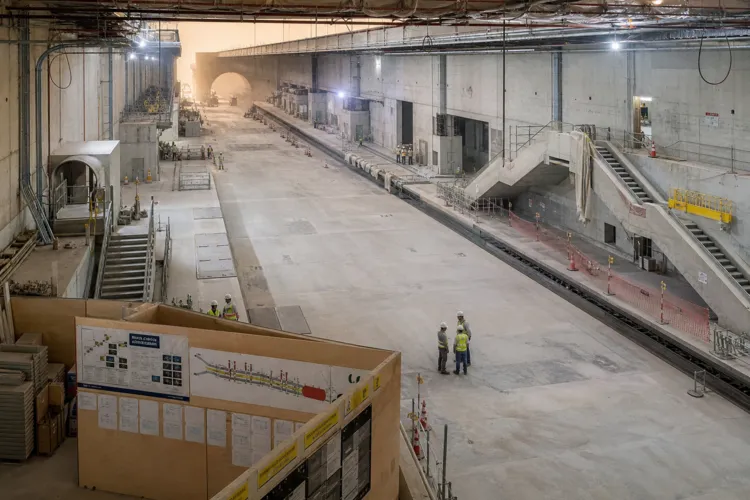
Road fleets were only one layer. Rail networks were expected to carry millions of passengers, including more than 2 million riders on the Al-Mashaer Al-Mugaddasah Metro and over 2.2 million on the Haramain High-Speed Railway. A first-hand Hajj 2026 experience account described how the strategy was intentionally layered: metro systems and bus fleets working together under tightly coordinated schedules during peak days. That same account noted that modern Hajj transport increasingly relies on sophisticated fleet-management systems, because moving millions of people is ultimately about making airports, roads, buses, and trains work together. In practice, that means coordinating handoffs between modes so congestion in one layer does not cascade into the next.
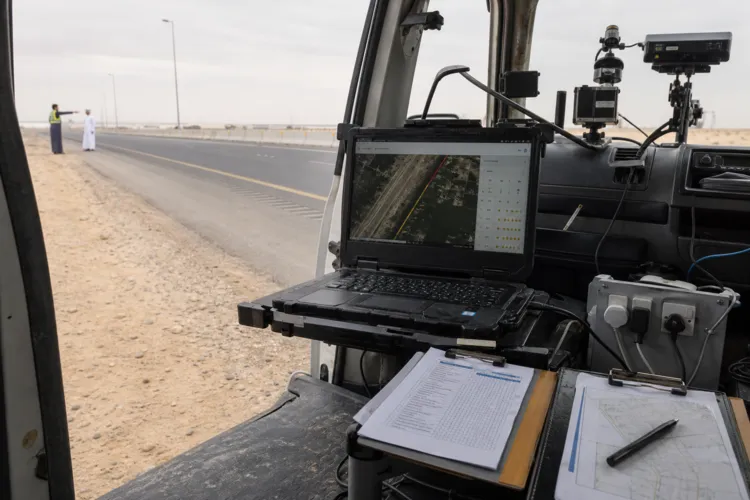
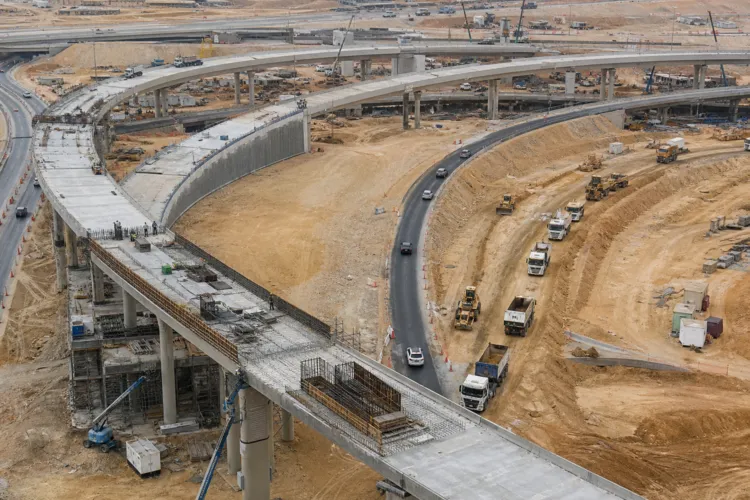
Safety and readiness were reinforced through technology beyond transport. One recap of Hajj 2026 described the use of some 5,000 surveillance cameras running 16 AI applications to support crowd management, and it also stated that Saudi Arabia was able to accommodate up to 300,000 pilgrims in a given hour. Road readiness was also linked to infrastructure work. The Roads General Authority, under the Ministry of Transport and Logistic Services, said it was deploying what it described as the world’s largest fleet of advanced road surveying and assessment equipment, using high-resolution cameras and laser sensors capable of detecting surface defects with precision of up to 0.05 millimeters. These systems measure factors such as pavement thickness, road alignment, and skid resistance to speed up maintenance decisions and improve readiness in peak Hajj periods.
For planners, the bus-control-room mindset is ultimately about coordination across the full Hajj transport chain. Aviation readiness for 2026 included more than 3.1 million seats allocated across 12,000 flights and staffing of around 22,000 personnel at six major hub airports, alongside measures such as off-site baggage check-in and expanded pre-shipment of Zamzam water to ease congestion. The same transport reporting noted the National Transport Safety Center would remain on round-the-clock emergency standby. Put together, the model is clear: buses and taxis scale the last-mile and inter-site moves, rail absorbs mass corridors, and monitoring and inspection help keep operations stable when volumes surge.
How many pilgrims performed Hajj in 2026, and how many were international?
How large was the road transport fleet prepared for Hajj 2026?
How do Hajj bus fleet management and GPS tracking fit into the 2026 operating model?
What rail volumes were expected during Hajj 2026?
What technology was cited for crowd monitoring during Hajj 2026?