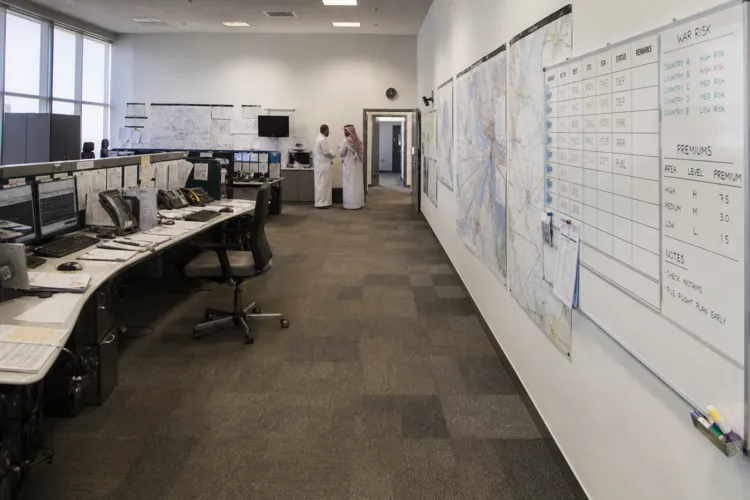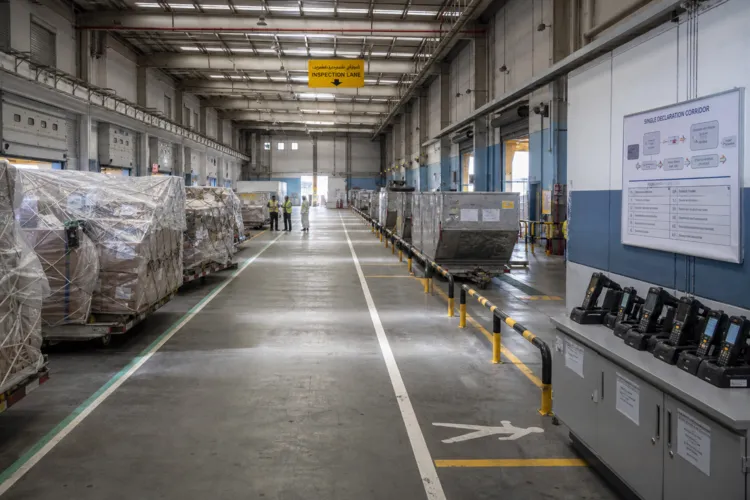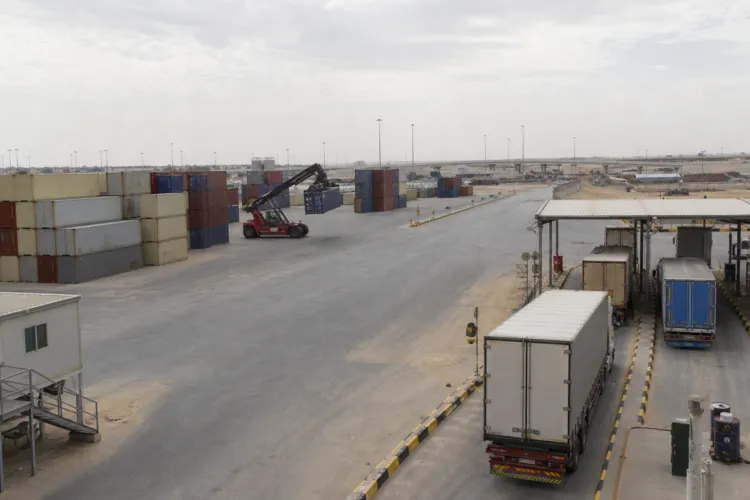
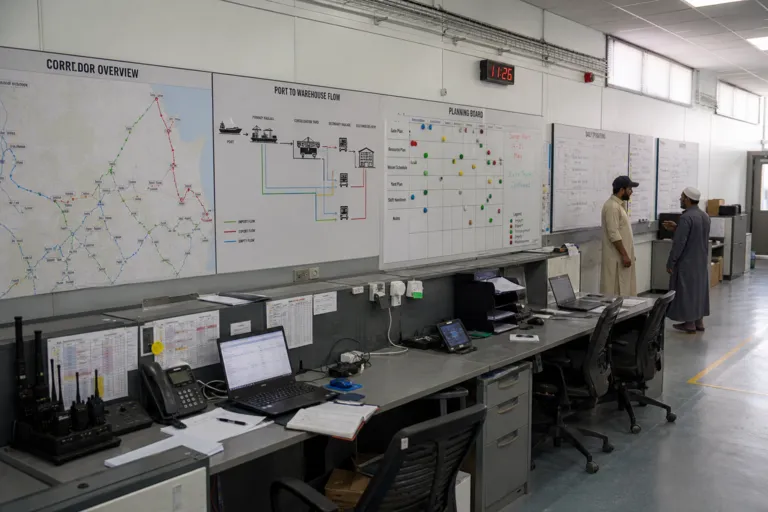
Saudi transport infrastructure resilience planning is becoming less about isolated assets and more about system behavior under stress. The Kingdom’s build cycle is broad, spanning roads, railways, airports, seaports, and logistics hubs. Metastat Insights values the Saudi Arabia infrastructure market at USD 81.6 billion in 2025 and projects USD 148.7 billion by 2033, with the transportation segment projected to reach USD 43.1 billion by 2033. Those numbers matter for resilience because construction scale amplifies interdependencies. When ports modernize, airports expand, and corridors multiply at the same time, continuity depends on how well data, permits, and multimodal handoffs are orchestrated.
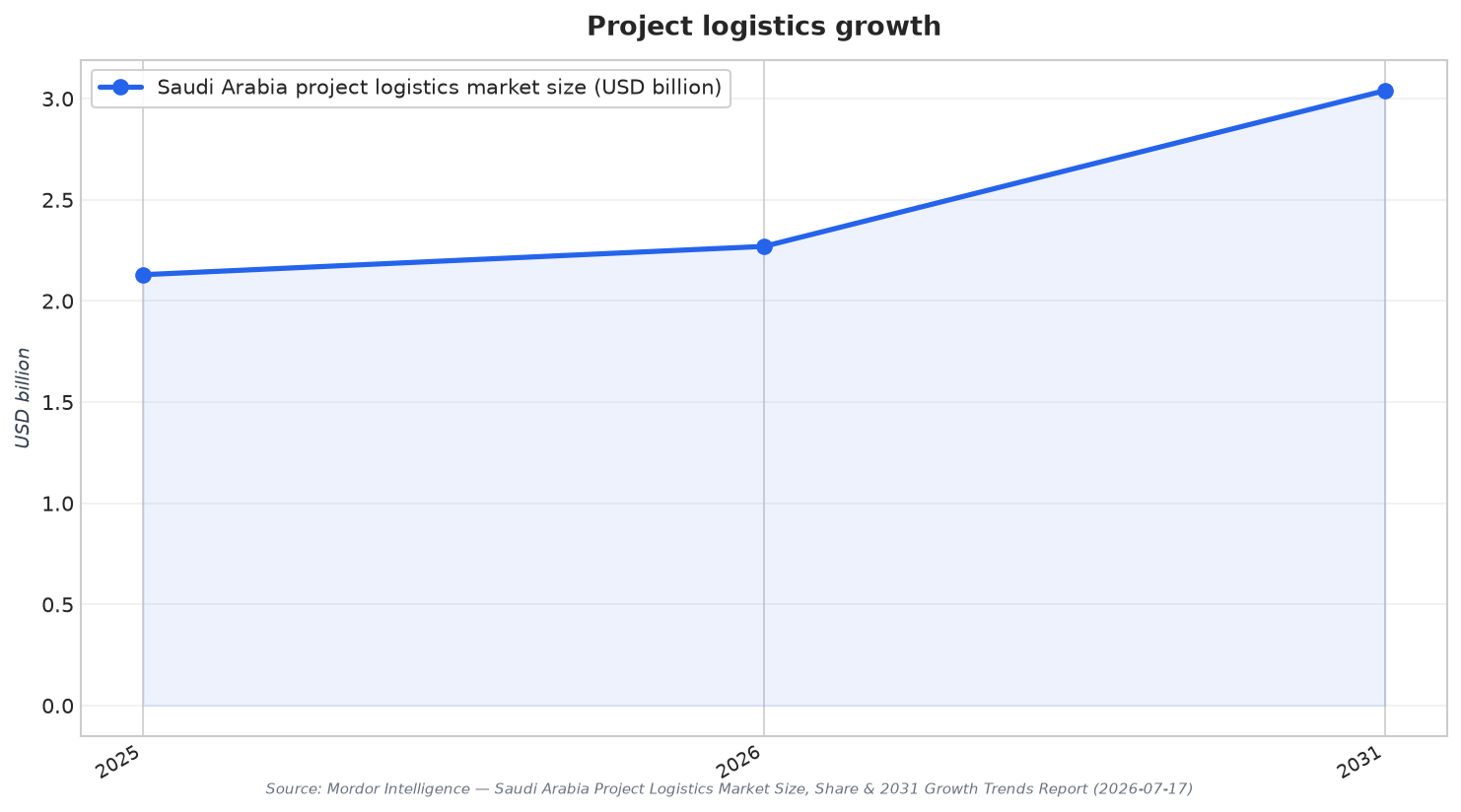
Resilience also has a cargo profile. In project logistics, transportation represented 64.32% of Saudi Arabia’s project logistics market share in 2025, while oversized or out-of-gauge cargo accounted for 30.91% of market size that year, according to Mordor Intelligence. This mix raises the stakes for route surveys, abnormal-load permitting, staging yards, and sequenced delivery at site. The same source flags permit delays for abnormal loads and a slower operating ramp at NEOM as execution headwinds. A pragmatic playbook therefore starts by designing alternate routings, buffer storage, and pre-cleared movements, rather than assuming every move can run just-in-time.
Resilience Moves That Match Saudi Arabia’s Real Demand Signals
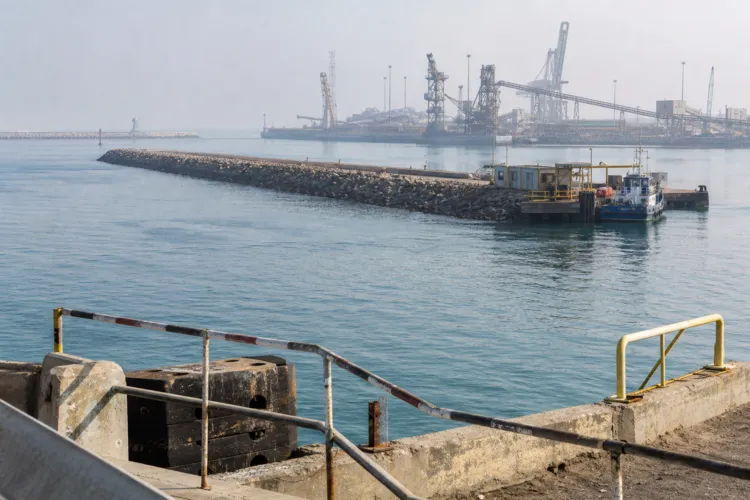
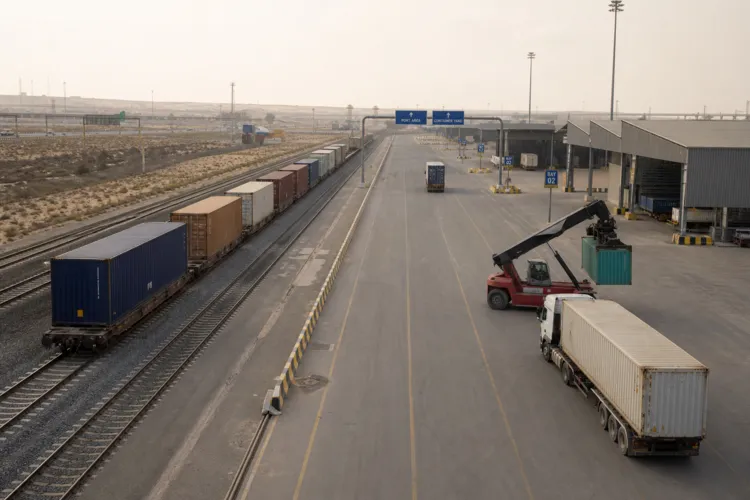
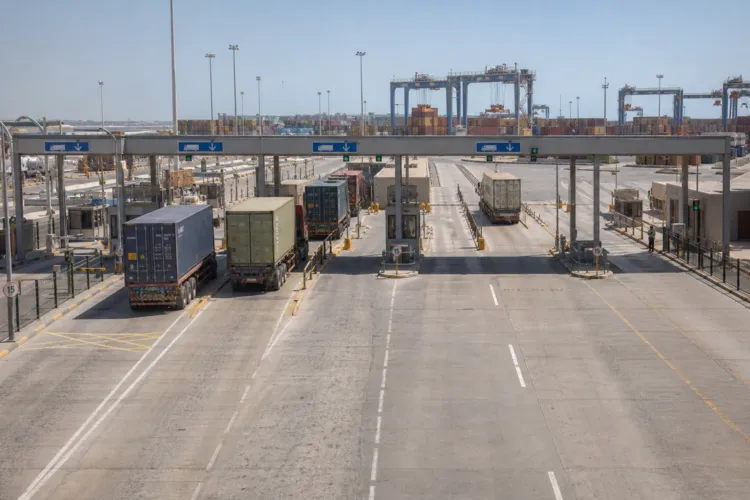
Gateway redundancy is a first principle. Mordor Intelligence notes that southern gateways, particularly Jazan, are evolving as alternate Red Sea entry points, while cargo resiliency strategies diversify gateway usage and pre-position stocks across at least two provinces to hedge against single-port disruption. The same report highlights customs one-stop posts that cut transit paperwork to under 30 minutes, supporting faster reroutes when needed. Cold-chain coverage is another stress reducer: the source states cold-chain infrastructure now blankets every top-10 population center, which helps mitigate spoilage risk during delays. Together, these shifts point to a resilience model built on optionality: multiple ports, multiple inland nodes, and rapid border processes.
Surge management is the other side of resilience, especially in Jeddah. Mordor Intelligence reports King Abdulaziz International Airport handled 49.1 million passengers in 2024, and it also points to Jeddah Islamic Port’s redevelopment expanding berth depth and yard automation. It adds that dedicated Hajj access roads and service tunnels mitigate seasonal surges. These are not abstract upgrades. They are practical controls that separate peak flows from everyday freight and city traffic. For planners, the lesson is to pair hard capacity (berths, yards, corridors) with operational segregation (dedicated routes and service links) so that one demand peak does not cascade into system-wide delays.
Finally, resilience must follow where the market is growing. IMARC values the Saudi Arabia logistics market at USD 55.29 billion in 2025 and forecasts USD 83.41 billion by 2034, while Mordor Intelligence values the Saudi Arabia freight and logistics market at USD 28.68 billion in 2026 with growth to USD 37.82 billion by 2031. Makreo adds that Saudi Arabia sits along the Arabian Gulf and the Red Sea, corridors through which nearly 13% of global trade flows, and notes the Western Region holds the largest geographic share of the Saudi Arabia logistics and warehousing market due to activated logistics centres and port-linked infrastructure. In practice, that means resilience planning should prioritize interoperable hubs, multimodal planning depth, and compliance execution that can keep pace with expanding demand.
Why is resilience planning now central to Saudi transport and logistics infrastructure?
What cargo realities most affect resilience in Saudi project logistics?
How do multi-gateway strategies reduce disruption risk in Saudi Arabia?
Which upgrades support peak-demand surge management in Jeddah?
What does Saudi transport infrastructure resilience planning need to prioritize as logistics markets grow?