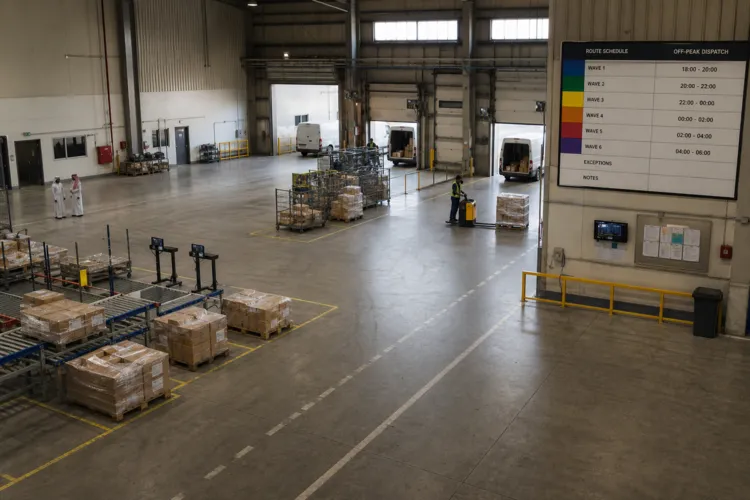
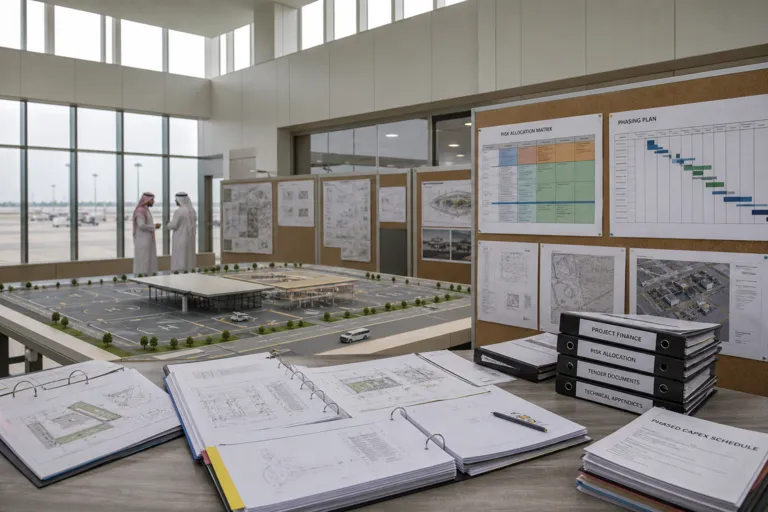
Planning a network of vertiports forces investors to think beyond aircraft. The infrastructure stack includes site development, passenger handling, dispatch systems, and charging. Precedence Research describes eVTOL operations as relying on localized vertiports, urban transit networks, and regional hubs, and notes that the Middle East & Africa is growing under government-backed smart city initiatives. In that same regional context, it states that countries like the UAE and Saudi Arabia are proactively investing via sovereign wealth funds to develop dedicated vertiports, charging infrastructure, and integrated aerial networks as part of broader economic diversification. That framing matters for financing, because it implies a capital plan that is shared across mobility, energy, and city-development stakeholders rather than being carried by a single operator.
For Saudi Arabia specifically, one clear signal is policy-and-partnering momentum. Precedence Research reports that in December 2025 Saudi Arabia is launching air taxi services in major cities, partnering with Archer Aviation to create the necessary regulatory framework, safety systems, and operational infrastructure, aiming for safe, sustainable air mobility in urban transport. That combination—operations plus enabling infrastructure—typically drives blended investment structures. A Saudi eVTOL vertiport financing model can therefore be framed around staged deployment: early sites that are justified by regulatory readiness and demonstration value, then expansion as operations mature. The sources also emphasize that piloted operations can dominate initial rollouts because stakeholders view them as a manageable path for certification, public acceptance, and risk mitigation, which shapes early revenue-risk assumptions for infrastructure backers.
Investment Models That Fit Early Vertiport Economics
Public-private partnerships are repeatedly positioned as a practical lever for vertiport buildouts. Precedence Research states that vertiports made up the largest share of the urban air mobility sector in 2024 and that public-private partnerships are driving investments into this infrastructure. In PPP structures, public entities can de-risk permitting and land access while private partners bring project delivery and operations discipline. International comparisons help illustrate why risk-sharing is attractive. Market Data Forecast notes that the European Investment Bank offers preferential loans for vertiports that meet U-Space and sustainability criteria, and also describes multimodal integration such as Olympiapark’s “air rail” tickets. Those examples are not Saudi facts, but they show how lenders and cities can tie financing terms to compliance and network utility rather than to speculative ridership alone.
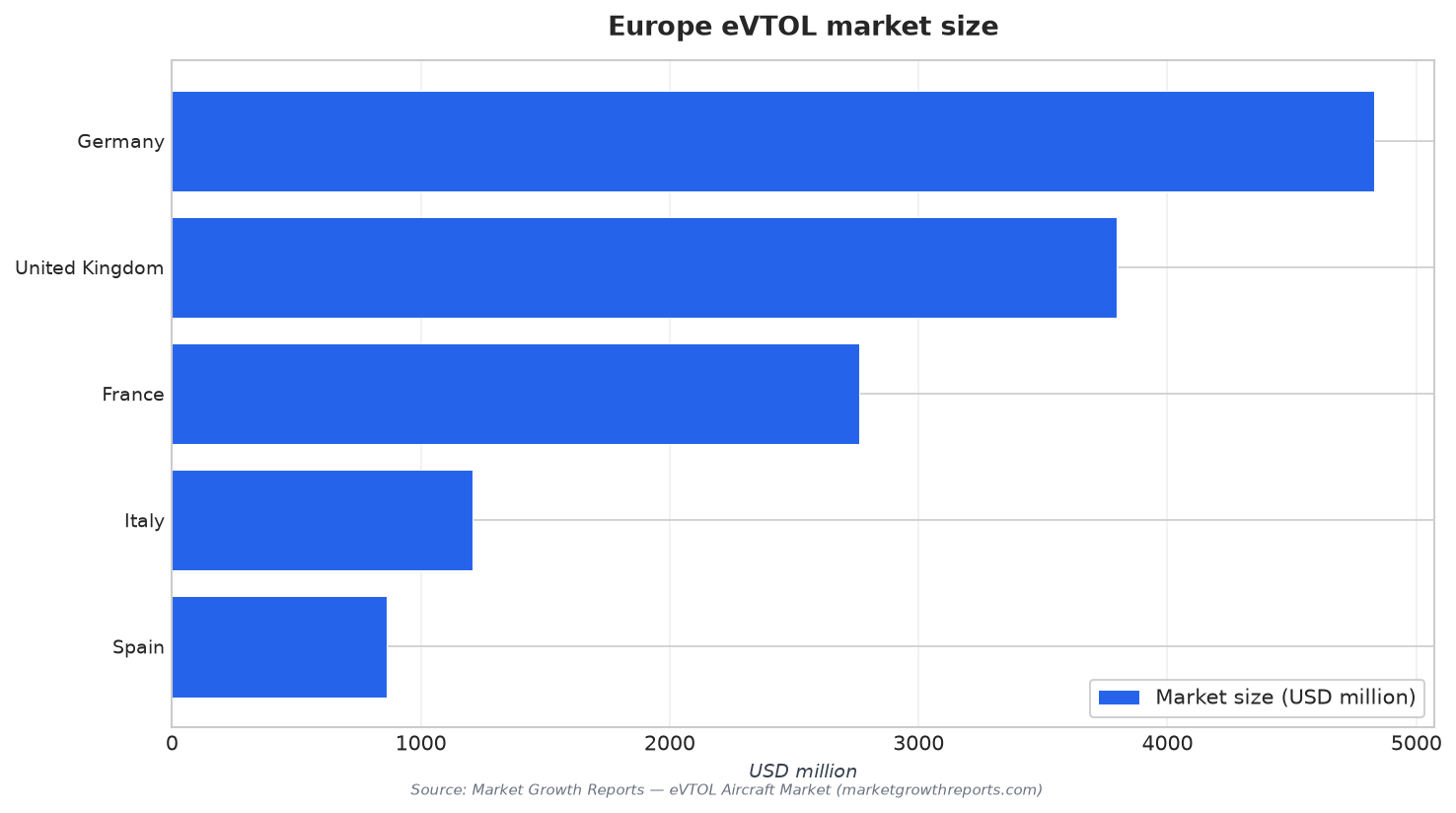
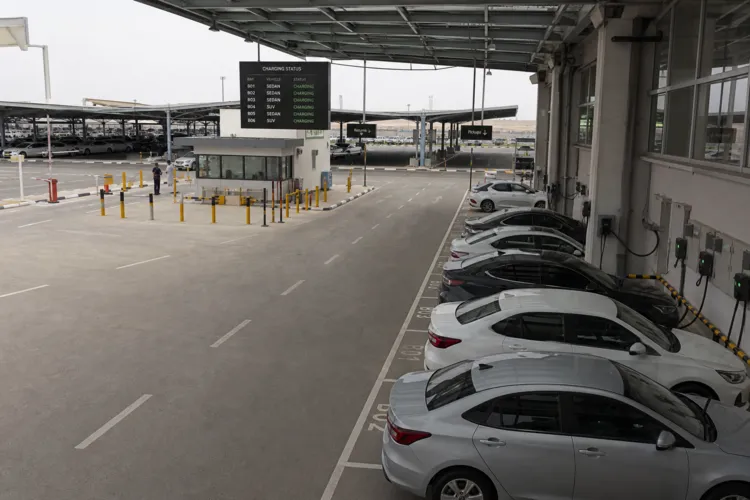
Charging infrastructure is another anchor for bankable cost and performance assumptions. Future Market Insights reports that stationary charging facilities hold roughly 78% of the charging facility type segment. It also states these high-power units typically deliver 250–500 kW and can charge an eVTOL aircraft within 20–40 minutes, and that stationary chargers are installed at vertiports and commercial hubs with robust thermal management and safety protocols. Those figures support a financing approach where charging is treated as a revenue-enabling utility component of the vertiport, with specifications that can be written into contracts. The broader investment environment is active as well: Market Growth Reports says over $3.4 billion was invested globally between 2022 and 2024, and that in Europe the EIB allocated €500 million to support sustainable air mobility startups, including a largest single investment of €135 million in 2023 for hybrid eVTOL systems development. These are global and European benchmarks, but they help frame the scale and instruments that can surround infrastructure ecosystems.
Finally, sponsors should acknowledge that certification and compliance costs can strain unit economics, which can flow back into infrastructure ROI expectations. Market Data Forecast states that Europe faces significant financial barriers due to immense capital requirements for aircraft development, certification, and operational infrastructure, and notes that building a single urban vertiport compliant with EASA and local zoning regulations requires considerable investment, as documented by the European Helicopter Association. Even as a comparison, it reinforces why early vertiport financing often relies on staged commitments, shared infrastructure, and visible public backing. Globally, Fortune Business Insights projects the vertiports market to grow from USD 948.2 million in 2026 to USD 8120.3 million by 2034, at a CAGR of 30.8%. Those projections do not guarantee any local outcome, but they illustrate why long-term capital is paying attention to vertiports as an investable infrastructure category.
What does a Saudi eVTOL vertiport financing model usually prioritize first?
Why are PPPs commonly discussed for vertiport funding?
What charging specifications can investors cite when modeling vertiport readiness?
What external financing benchmark shows lender interest in vertiports?
What do the sources say about overall vertiport market growth?