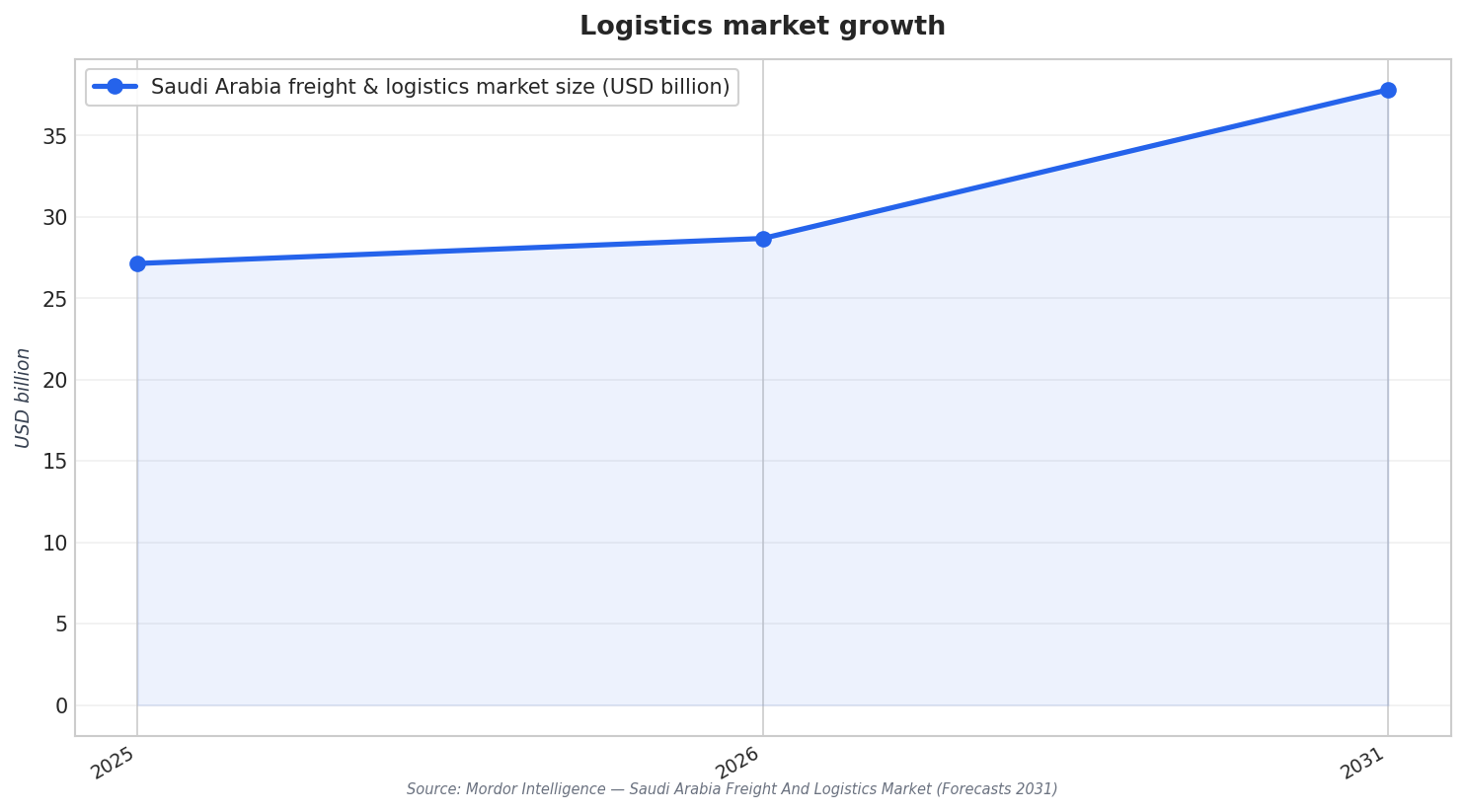
Saudi Arabia’s logistics growth narrative is often told through airports, rail, and mega infrastructure. But feeder vessels and coastal shipping can be just as important to day-to-day cargo flow between ports, bonded zones, and multimodal corridors. Mordor Intelligence values the Saudi Arabia freight and logistics market at USD 27.14 billion in 2025, with estimates rising from USD 28.68 billion in 2026 to USD 37.82 billion by 2031, at a 5.69% CAGR (2026–2031). Within that system, sea and inland waterways freight forwarding accounted for 64.62% of revenue share in 2025, suggesting maritime-linked forwarding is already central to how the market works.
For coastal shipping specifically, the enabling condition is access. The same Mordor Intelligence source highlights the gradual removal of cabotage-like restrictions for foreign carriers, noting regulatory liberalization that permits international operators to serve domestic line-haul lanes that were once reserved for Saudi-flag fleets. That matters because feeder networks depend on route flexibility, predictable schedules, and modern visibility tools that shippers increasingly expect. The report also notes competitive intensity and global service standards entering the market. It points to DSV’s 29-facility network and states it already handles 6% of Saudi import volumes, an example of how scaled operators can leverage multimodal control and digital visibility to win contracts as competition broadens.
Why PPP Structures Now Fit Coastal and Feeder Links
The PPP angle strengthens when you look at Saudi Arabia’s wider construction and transport investment context. Mordor Intelligence values the Saudi infrastructure construction market at USD 65.14 billion in 2025, estimating growth from USD 68.47 billion in 2026 to USD 87.89 billion by 2031, at a 5.12% CAGR (2026–2031). Transportation captured 46.3% share of that market in 2025. The same report states public funding held 69.1% of spending in 2025, while private capital routed through PPPs is projected to grow at a 6.81% CAGR between 2026 and 2031. In parallel, it explicitly notes that inflation in steel, cement, and labor is squeezing margins, making risk-sharing PPP models more attractive to domestic and international builders.
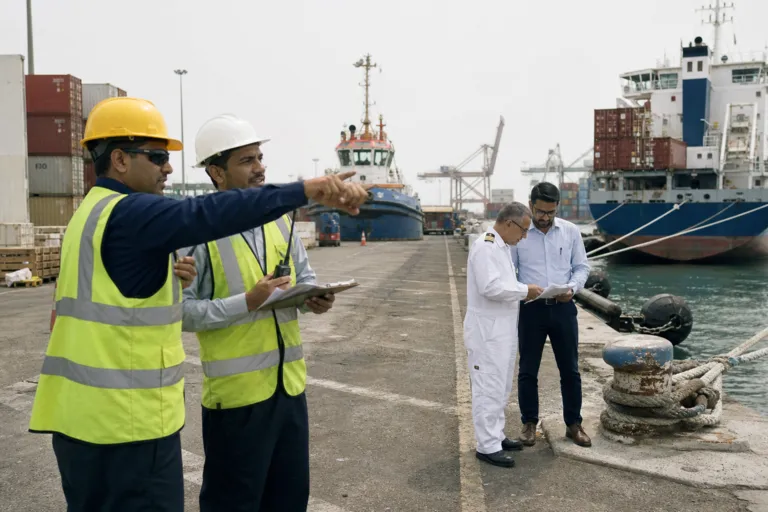
Port-side upgrades and coastal operating models also align with the priorities described in a Saudi transportation infrastructure market report. It states that Vision 2030, government investment, and public-private partnerships (PPPs) are among the key factors driving the market, and it highlights a focus on developing and upgrading ports to facilitate trade and logistics. This includes expanding port capacity, improving navigational channels, and enhancing cargo handling facilities to support Saudi Arabia’s strategic position as a key maritime hub in the region. For a Saudi feeder vessel coastal shipping PPP concept, the practical implication is simple: structured partnerships can link port upgrades to the vessel services that turn new capacity into reliable, repeatable coastal throughput.
Regional vessel trends add context, even if they are not specific to coastal feeder ships. Ken Research sizes the Middle East & Africa marine vessel market at USD 9 billion in 2025 and notes that in 2023, Saudi Arabia and the UAE committed over USD 20 billion toward modernizing their naval fleets. The same source notes that in 2023, over 1.7 million tourists embarked on cruises in the region, particularly in the Red Sea and Gulf regions, alongside investments in cruise terminals by countries including Saudi Arabia. These data points do not define feeder demand on their own. But they signal that maritime activity, investment attention, and operating expectations are rising, creating a stronger backdrop for coastal shipping partnerships that can scale service quality alongside port modernization.
Why can feeder vessels and coastal shipping matter in Saudi Arabia’s logistics plan?
What policy trend could support more coastal shipping operators in Saudi Arabia?
What numbers in the sources point to PPP momentum in Saudi infrastructure delivery?
How does a Saudi feeder vessel coastal shipping PPP connect to port investments mentioned in the sources?