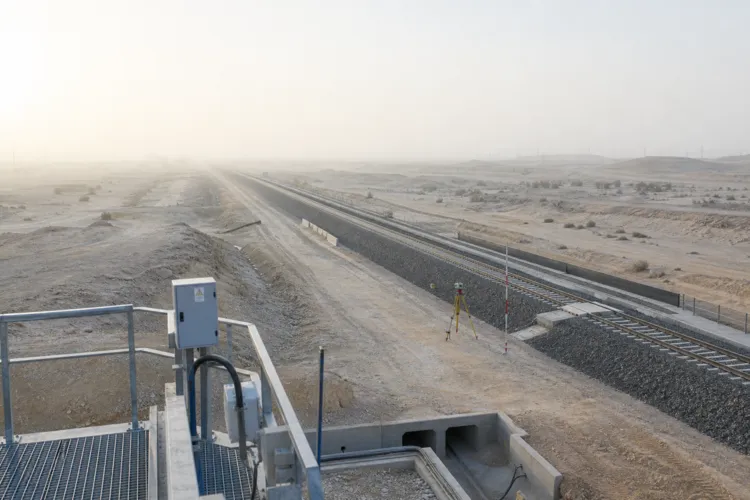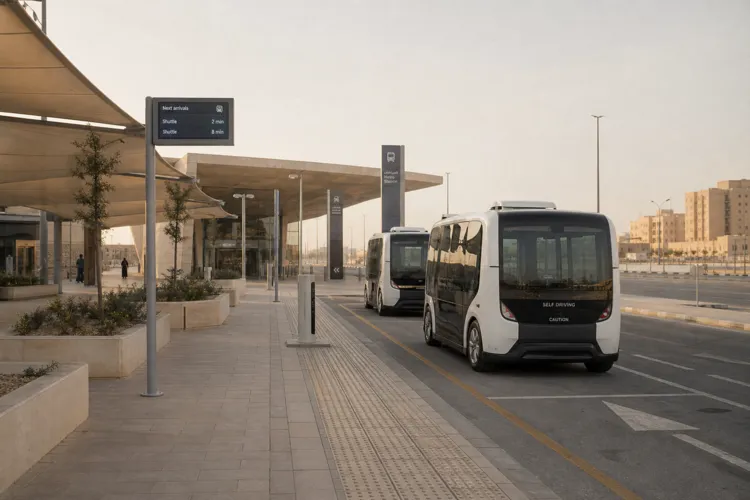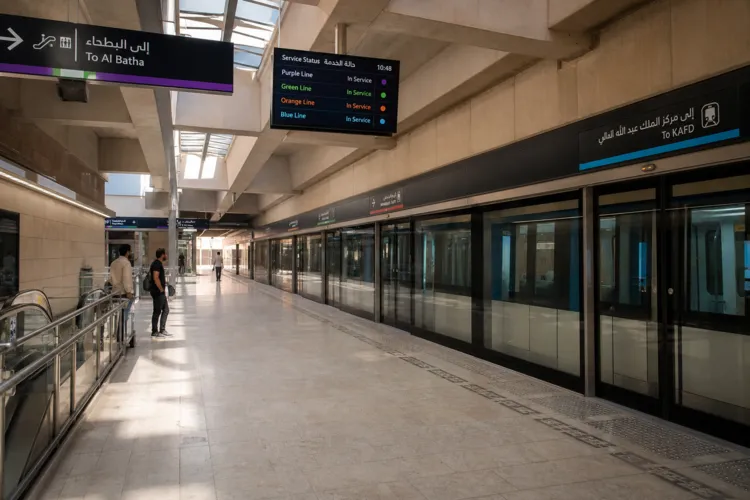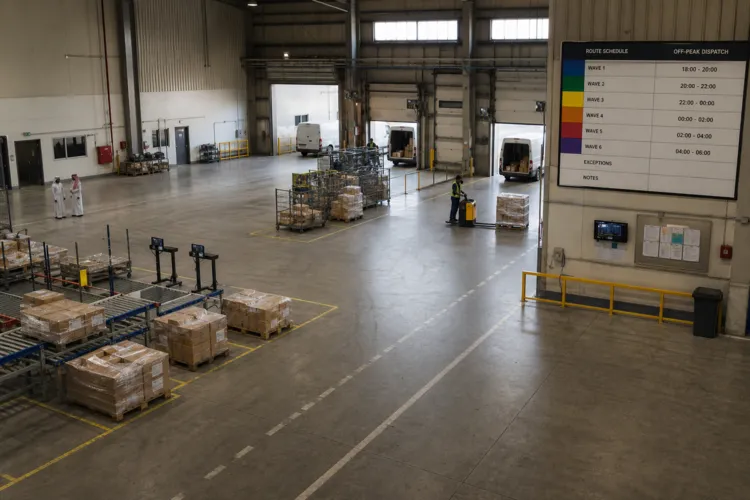
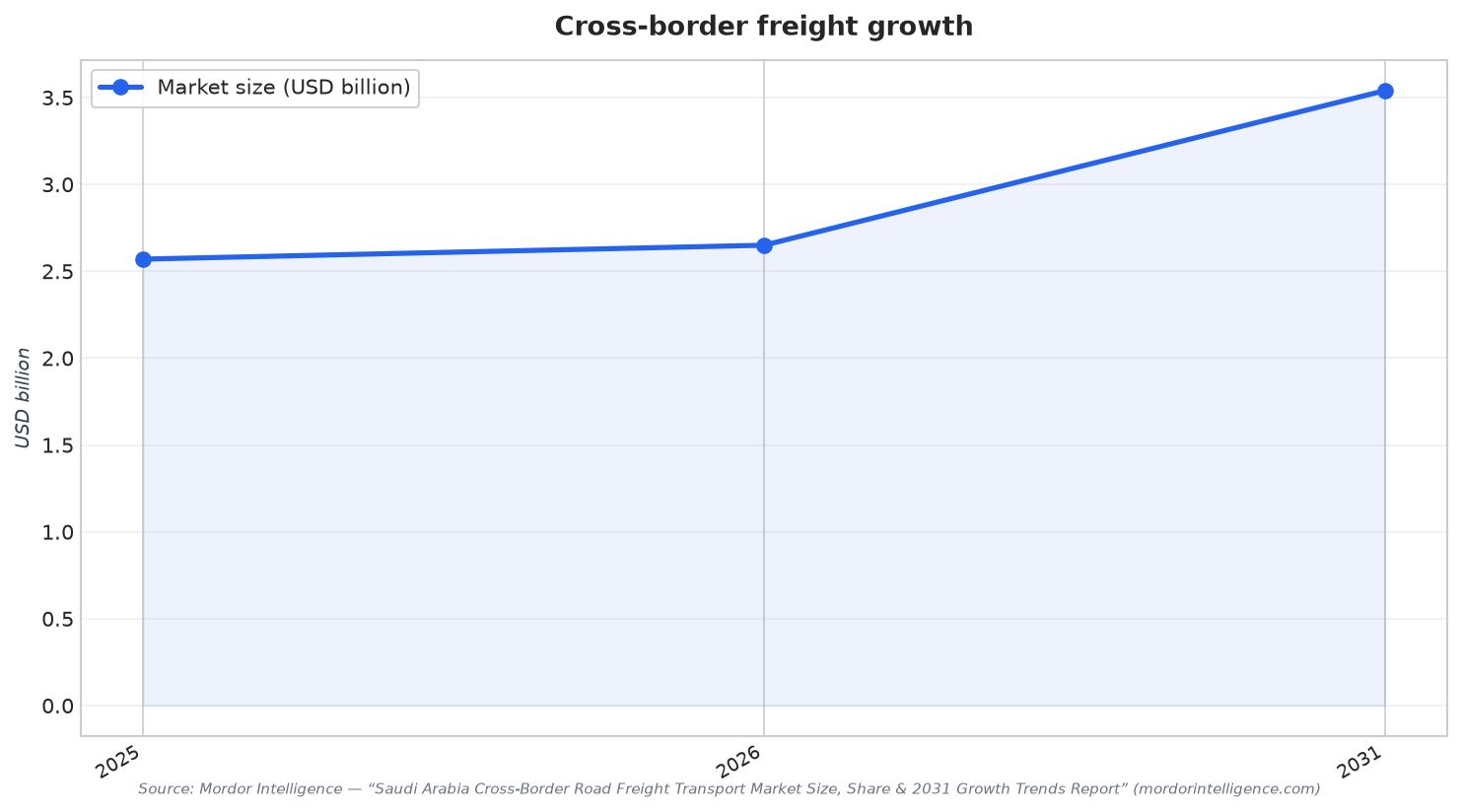
Saudi Arabia’s cross-border road activity is already scaling in ways that hint at a stronger case for scheduled passenger services. In road freight, Mordor Intelligence values the Saudi Arabia cross-border road freight transport market at USD 2.57 billion in 2025, with estimates rising from USD 2.65 billion in 2026 to USD 3.54 billion by 2031 at a 5.96% CAGR. While that figure is freight-specific, it points to active corridor use, border processing demand, and a policy push to move faster across frontiers. The report cites diversification under Vision 2030, the four-laning of the Batha–Al Ghuwaifat corridor, and near-universal two-hour electronic customs clearance via the FASAH system as factors shrinking transit times.
For a Gulf-spanning coach proposition, the operational lesson is not the cargo mix, but the corridor logic. In 2025, long-haul routes accounted for 67.72% of Saudi Arabia’s cross-border road freight transport market size, underscoring the importance of sustained, intercity-distance movements. The United Arab Emirates held 47.47% of Saudi Arabia’s cross-border road freight transport market share in 2025, which highlights the scale of Saudi–UAE cross-border flows in that dataset. The same report also flags Qatar as the fastest-advancing country segment at a 7.79% CAGR through the forecast window, suggesting momentum on additional cross-border directions that could be relevant when operators design coach routes and schedules.
Why Regulation, Technology, and Fleet Shifts Matter for Coaches
Policy and technology shifts described in Saudi logistics reporting can translate into a more investable operating environment for coaches. Mordor Intelligence notes regulatory liberalization that permits international operators to serve domestic line-haul lanes once reserved for Saudi-flag fleets, increasing competitive intensity and introducing global service standards. On the systems side, IndexBox reports that the Middle East connected transportation system market involves real-time data exchange between vehicles, infrastructure, and control platforms, with the UAE and Saudi Arabia together representing roughly 65–70% of regional procurement in the 2026 base year. It also points to cross-border corridor projects creating demand for interoperable connected systems that support seamless traffic management across multiple jurisdictions.
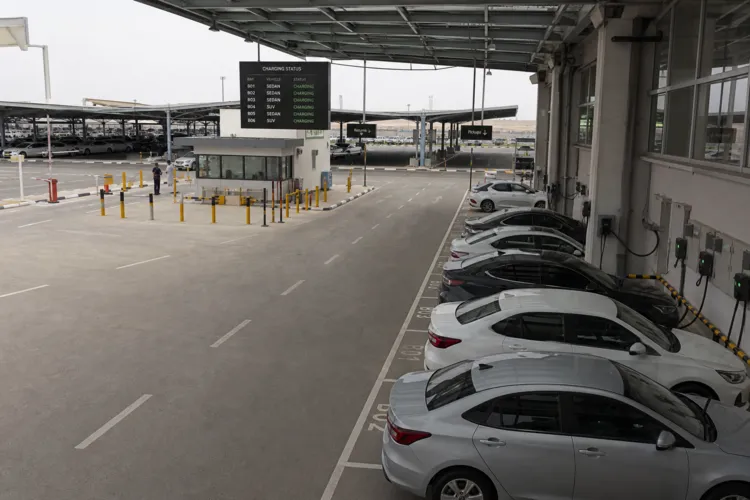
Fleet technology is also moving, and it matters for long-distance comfort, operating costs, and corridor confidence. In the Saudi Arabia bus market, Mordor Intelligence says battery-electric unit market size is poised to triple by 2030 as EVIQ’s highway fast-chargers connect Riyadh-to-Dammam corridors. The same source notes that fuel-cell buses remain in pilot stage, while NEOM Green Hydrogen Company is expected to deliver 600 t/day of renewable H₂ by 2026, a scale that could support 1,200 long-haul coaches annually by 2028. Competitive intensity is rising as SAPTCO’s public contracts face liberalized intercity licensing that allows Chinese, European, and local challengers to target the same tenders.
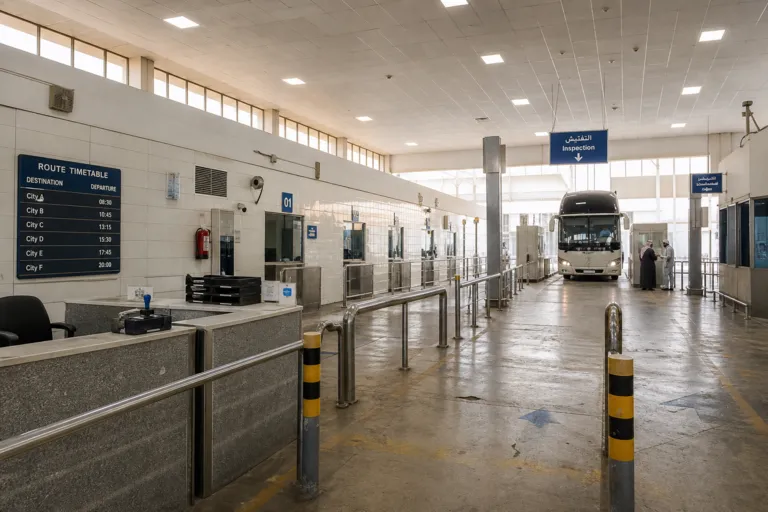
Turning this into a GCC cross-border intercity coach network opportunity depends on aligning border processes, corridor readiness, and service consistency. Freight sources point to two-hour electronic customs clearance via FASAH and investment in automated border ports and specialized logistics zones, which can reduce friction at crossings even if passenger processing requirements differ. Contract logistics reporting also underscores a wider build-out: private-sector participation is expected to cover 80% of logistics capital outlays, translating into SAR 240 billion (USD 64 billion) of opportunities for third-party providers, and it notes that ZATCA scrapped all export service fees in October 2024. For coaches, the strategic takeaway is to build services around the most improved road links, integrate connected-transport interoperability where possible, and use the licensing opening to professionalize timetables, safety, and customer experience.
What signals that cross-border road corridors are becoming easier to use from Saudi Arabia?
Which neighboring country has the largest share in Saudi Arabia’s cross-border road freight dataset?
How do connected transportation systems relate to cross-border coach operations?
What does the Saudi bus market source say about electrified intercity corridors?
What is the opportunity for a GCC cross-border intercity coach network from Saudi Arabia?