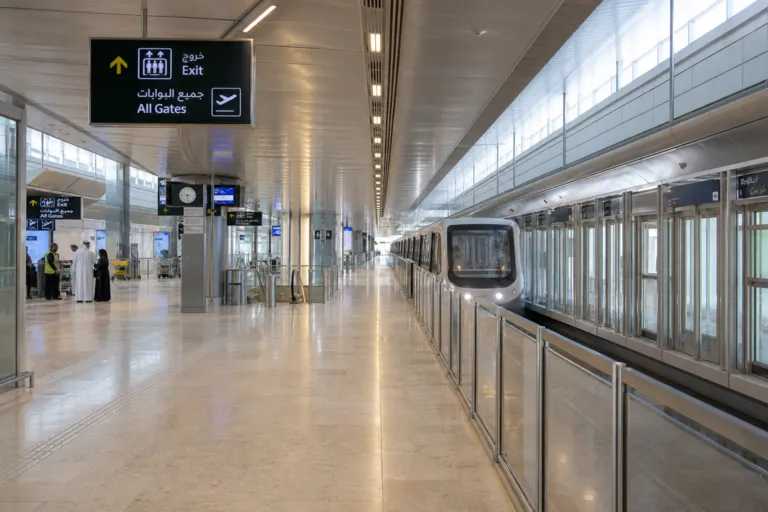
The KAIA automated people mover Jeddah airport train became one of the most visible indicators of how fast demand can move through a modern airport transit link. In Q3 2026, the Automated People Mover at King Abdulaziz International Airport carried 7 million passengers, rising from 3.9 million in Q2 2026. That quarter-to-quarter jump matters because it frames the airport line as more than a convenience ride. It is a high-volume connector inside the Kingdom’s broader rail picture, where Saudi rail passengers topped 40.9 million in Q3 2026 and intra-city rail services carried 38.3 million passengers.
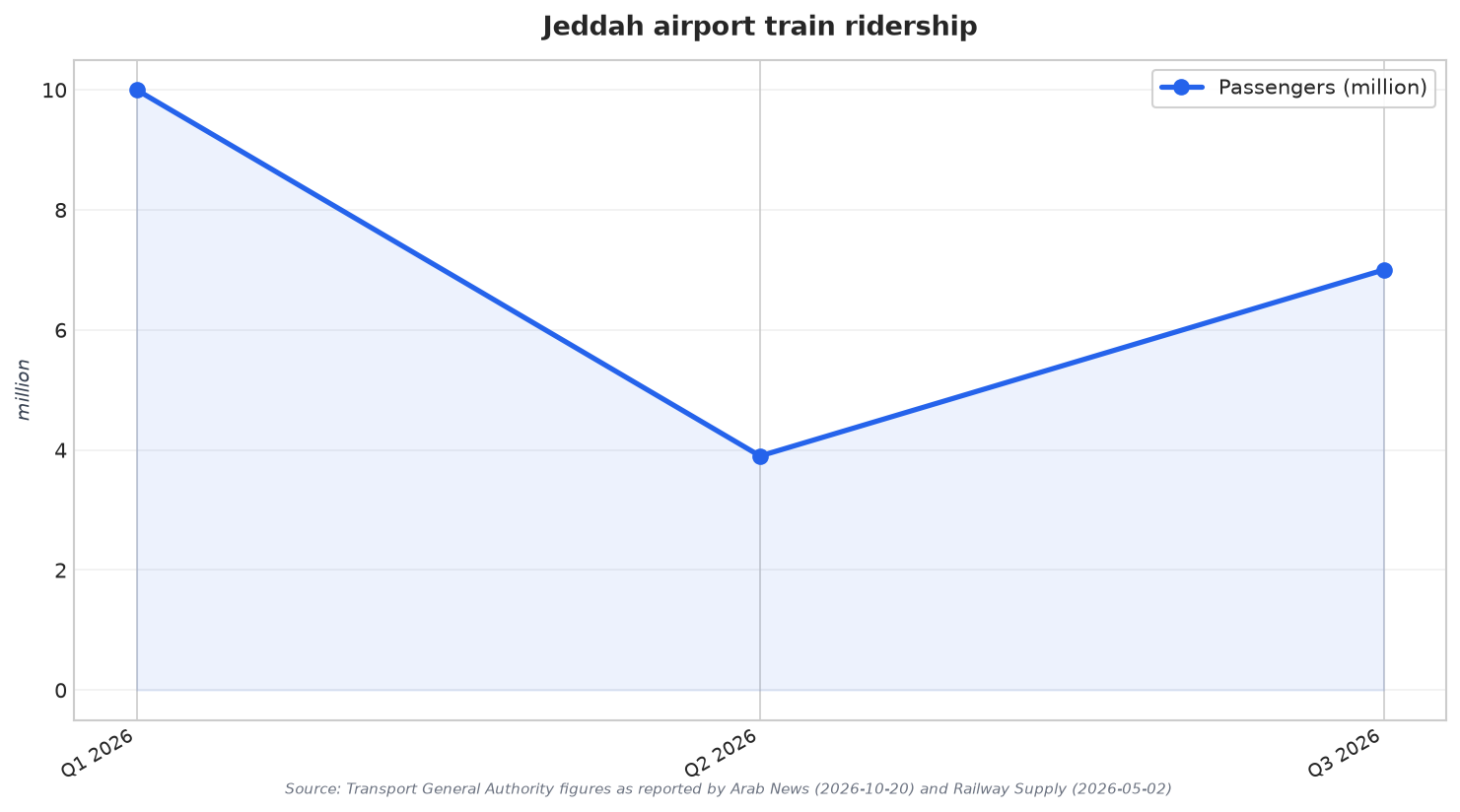
One immediate lesson is that airport people movers can experience sharp utilization swings, so operations must be built around variability. A separate Q3 2026 comparison showed the Jeddah airport line carried 7 million passengers versus more than 10.2 million in the year-earlier quarter. The same theme appears in other automated systems mentioned in the same reporting. The Princess Nourah bint Abdulrahman University system in Riyadh carried about 911,200 in Q3 2026, down from more than 967,000. For planners, the message is to treat automated airport links as dynamic networks that require continuous monitoring and flexible service planning, not static infrastructure.
Lessons for Saudi Airport Transit Links From Network Context
A second lesson is that airport transit does not exist in isolation. It competes and cooperates with the surrounding urban and intercity rail ecosystem. In Q3 2026, Riyadh Metro carried 30.4 million riders, while the airport automated train in Jeddah carried 7 million and the university line carried about 911,200, all within a total of 38.3 million intra-city rail passengers. On the intercity side, services carried more than 2.5 million passengers in the same period. The Haramain High Speed Railway alone carried over 1.9 million people in Q3 2026, and it explicitly serves King Abdulaziz International Airport alongside stops including Jeddah and King Abdullah Economic City.
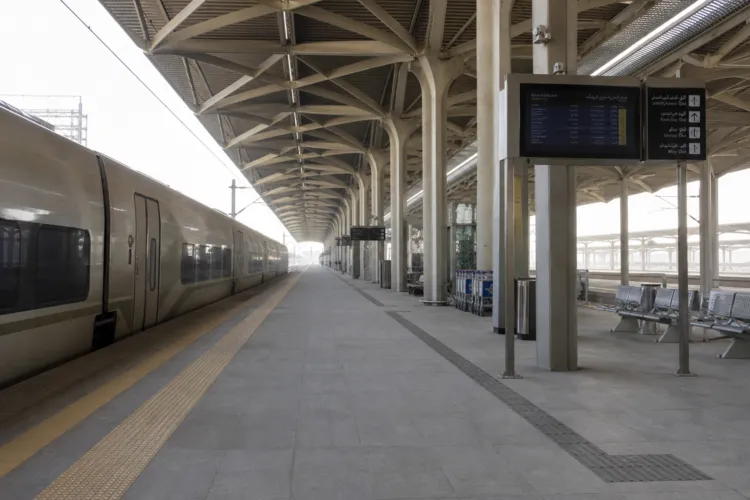
This network view points to a third lesson: the most resilient airport linkages are those that align with multiple trip purposes and connect cleanly to other high-demand corridors. The Haramain High Speed Railway’s routing via the airport gives travelers a direct interchange opportunity between an automated airport people mover and an intercity service. Ridership trends also show how airport performance can be interpreted alongside corridor shifts. Haramain carried over 1.9 million in Q3 2026, compared with 2.07 million in the year-earlier quarter, while also rising from 1.6 million in Q2 2026 to more than 1.9 million in Q3 2026. The airport system’s Q2-to-Q3 rise occurred within that same broader rebound pattern.
A final lesson is that planning airport transit links should be anchored to measurable demand, while recognizing that investment in transport is expanding across Saudi Arabia. Mordor Intelligence estimates the Saudi Arabia transportation infrastructure construction market size in 2026 at USD 12.16 billion, up from USD 11.5 billion in 2025, with a projection of USD 16.03 billion by 2031 at a 5.7% CAGR over 2026–2031. Within that same report, roadways held a 44.10% revenue share in 2025, while railways are described as poised for the fastest 6.28% CAGR between 2026–2031. For airport planners, the practical takeaway is to use ridership evidence—such as the 7 million Q3 riders at KAIA—to define priorities, integration needs, and performance targets as the wider mobility build-out continues.
How many passengers rode the KAIA automated people mover in Q3 2026?
How did Q3 2026 ridership compare with Q2 2026 on the Jeddah airport automated train?
Was the Jeddah airport people mover higher or lower than the year-earlier quarter?
How does the airport automated train fit into wider Saudi rail ridership in Q3 2026?
What do sources project for Saudi Arabia’s transportation infrastructure construction market size?