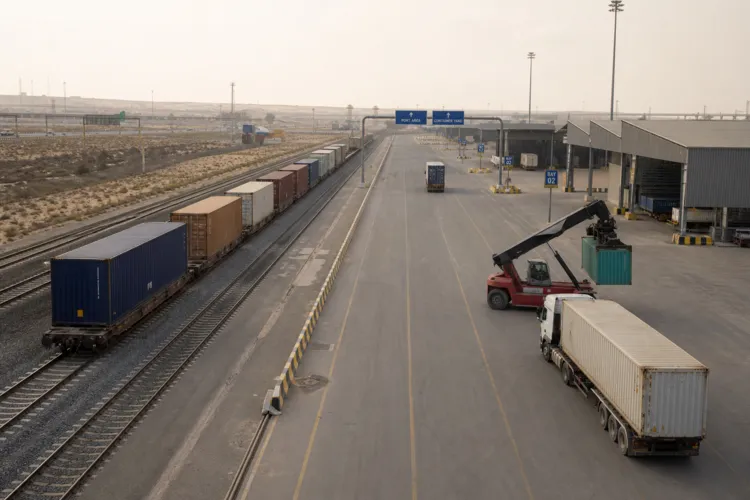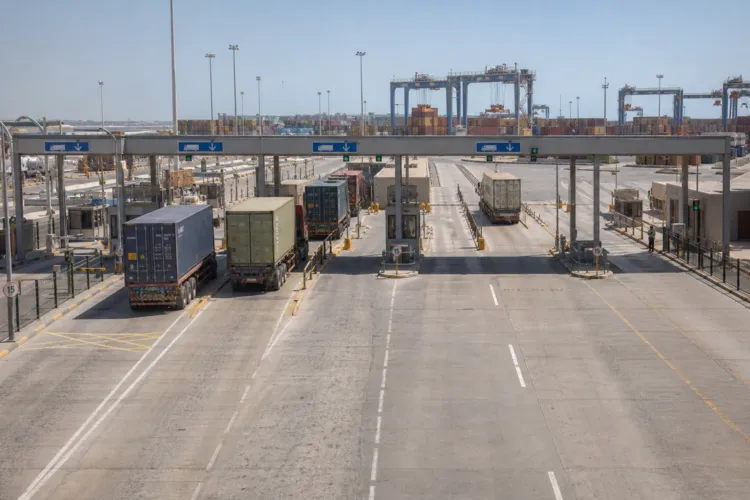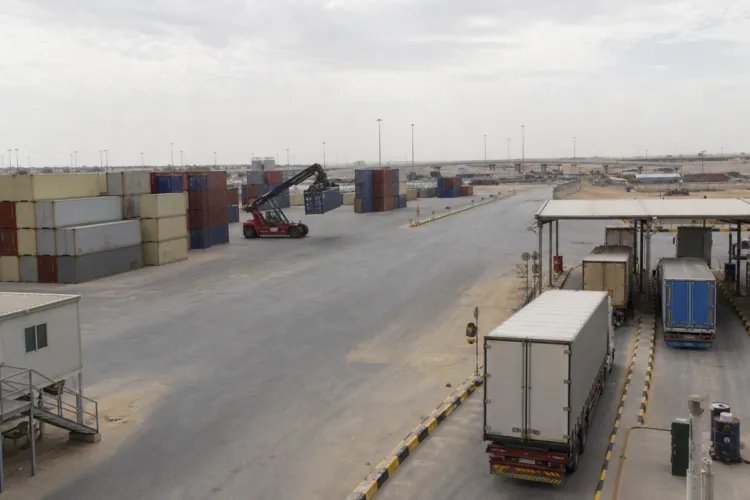
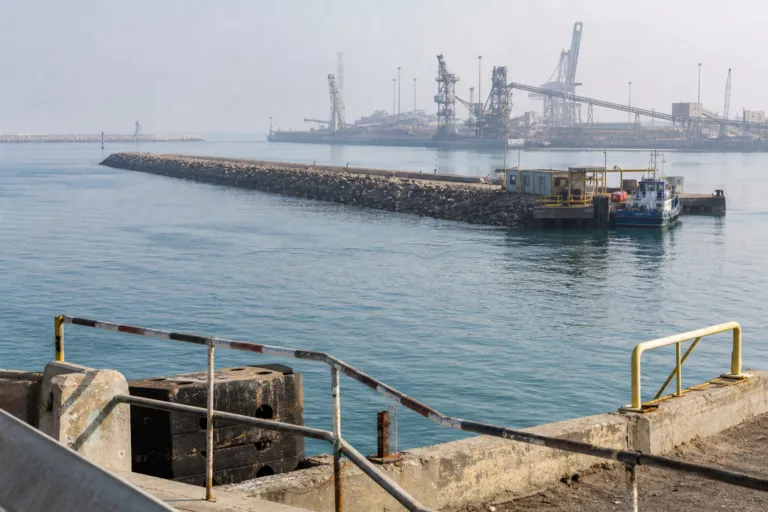
Saudi Arabia is accelerating efforts to transform Jazan Port in the Kingdom’s south from a regional maritime hub into a wider logistics artery linking continents. In this strategy, the port is framed as a key economic gateway to the Horn of Africa and global markets, supported by coordinated initiatives led by relevant authorities. The approach includes redesigning import and export procedures and removing barriers that have faced investors. The Horn of Africa is described as including Somalia, Ethiopia, Eritrea, Djibouti, Kenya and Sudan, and that proximity to Jazan on the Red Sea strengthens the port’s role as a strategic link between Saudi Arabia and African markets.
Operational changes are a major part of the story. Mohammed Mudhafar, head of the Environment, Water and Agriculture Sector Committee at the Jazan Chamber of Commerce, said differences in decisions among multiple agencies had created challenges for investors, and that the committee has worked with relevant authorities to remove obstacles and facilitate import and export operations. He cited a 21-day quarantine imposed on imported livestock at Jazan, which increased costs for companies and pushed them toward other ports. He said this constraint was removed after coordination with the Ministry of Environment, Water and Agriculture and the National Center for Plant Pest and Animal Disease Prevention and Control (Wiqaa).
Why Location and Capacity Matter on the Southern Red Sea
Geography underpins the port’s positioning in a turbulent shipping environment. Reporting on Saudi ports highlights that Jazan Port sits about 266 miles from the Bab el-Mandeb Strait, and it is also described as the Kingdom’s primary entry point for livestock imports from the Horn of Africa. In the same context, Jazan ranks third in design capacity among ports on the Saudi Red Sea coast. The wider narrative is that Saudi Arabia’s ports are being presented as an alternative artery for regional and global trade amid disruptions to shipping routes, with the Kingdom’s location linking Asia, Europe, and Africa.
Private-sector feedback points to practical gains that support the Jazan port Horn of Africa gateway ambition without relying on slogans. Khaled Al-Nashiri, head of Khaled Al-Nashiri Trading Company, said the port has become a major commercial gateway to the Horn of Africa, citing clearer investment strategies, simplified procedures, direct communication with investors, and improved infrastructure and warehouse facilities. He also said demand rose following initial shipments of Saudi-made flour, food products and animal feed to Horn of Africa countries. Separately, a logistics guide notes Jazan can serve as an alternative to Jeddah for avoiding peak-season congestion for specific regional deliveries and handles general cargo, Ro-Ro, and bulk materials like cement and grains.
Jazan’s push sits within a broader ports landscape where roles are clearly differentiated. Jeddah Islamic Port is described as the Kingdom’s principal commercial gateway and the largest hub port on the Red Sea, while another source adds that it spans about 12.5 square kilometers with 62 berths and handles over 130 million tonnes of cargo yearly. Across the wider network managed by Mawani, there are 290 berths. In that context, Jazan’s re-emergence is positioned as complementary: a southern Red Sea node improving procedures, aligning agencies, and leveraging proximity to Horn of Africa markets to expand trade flows from Saudi Arabia’s economic core to external destinations.
What is Saudi Arabia trying to achieve with Jazan Port’s Horn of Africa gateway push?
Which countries are included in the Horn of Africa in the sources?
What was the livestock quarantine issue at Jazan Port, and what changed?
How close is Jazan Port to the Bab el-Mandeb Strait, according to the sources?
How does Jazan Port’s role compare with Jeddah Islamic Port in the sources?