Saudi Arabia is modernizing maritime gateways as part of broader logistics upgrades tied to Vision 2030. Industry sources describe a network of more than 11 major commercial and industrial ports spread along the Red Sea and the Arabian Gulf, giving shippers routing flexibility. Jeddah Islamic Port is described as the primary trade hub, handling over 60% of the country’s inbound maritime cargo, while Dammam Port serves energy, construction, and petrochemical flows and links to Riyadh via rail. In parallel, Riyadh Dry Port is positioned as an inland extension that can streamline customs clearance in the capital, supporting faster end-to-end movement when paired with digital clearance tools.
Technology adoption is also being framed as a market in its own right. Ken Research values the Saudi Arabia smart port market at approximately USD 85 million and describes leading solution areas that include process automation, IoT devices, AI systems, Terminal Operating Systems (TOS), and robotics such as Automated Guided Vehicles (AGVs). The same source notes that process automation solutions lead because they streamline operations and reduce human error, while blockchain platforms are cited as the fastest-growing area due to demand for secure, transparent, real-time data sharing among stakeholders. This context matters because port performance is not only about quay capacity, but also about the digital handoffs between terminal operators, shipping lines, freight forwarders, and government agencies.
Automated Cranes Plus FASAH: Turning Dwell Time Into a Planning Variable
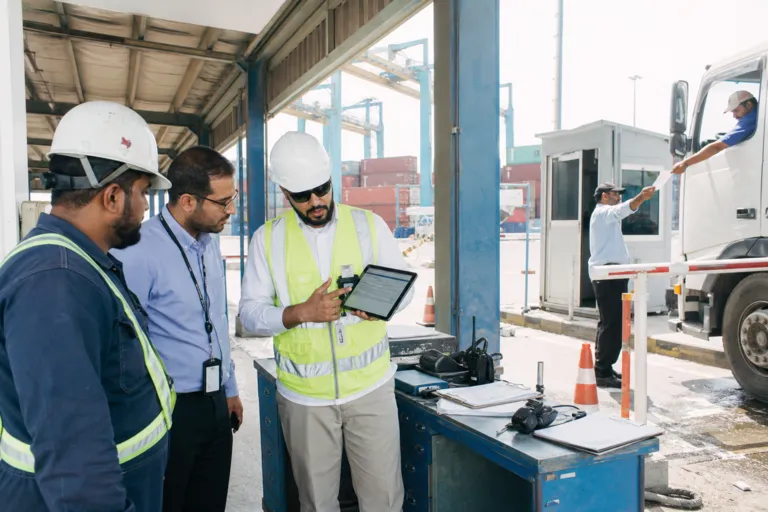
Operational gains in sea freight are directly linked to automation and digital integration. Mordor Intelligence notes that sea freight modernization includes integrated port community systems and crane automation that raise container moves per hour by 18%. At the clearance layer, multiple sources point to the FASAH customs portal as a key “single-window” mechanism for faster release. In cross-border road freight, the same research references near-universal two-hour electronic customs clearance via FASAH, tying it to shrinking transit times. Read together, this is the practical promise behind a Saudi smart port single window approach: fewer manual steps, faster status visibility, and clearance cycles measured in hours rather than days.
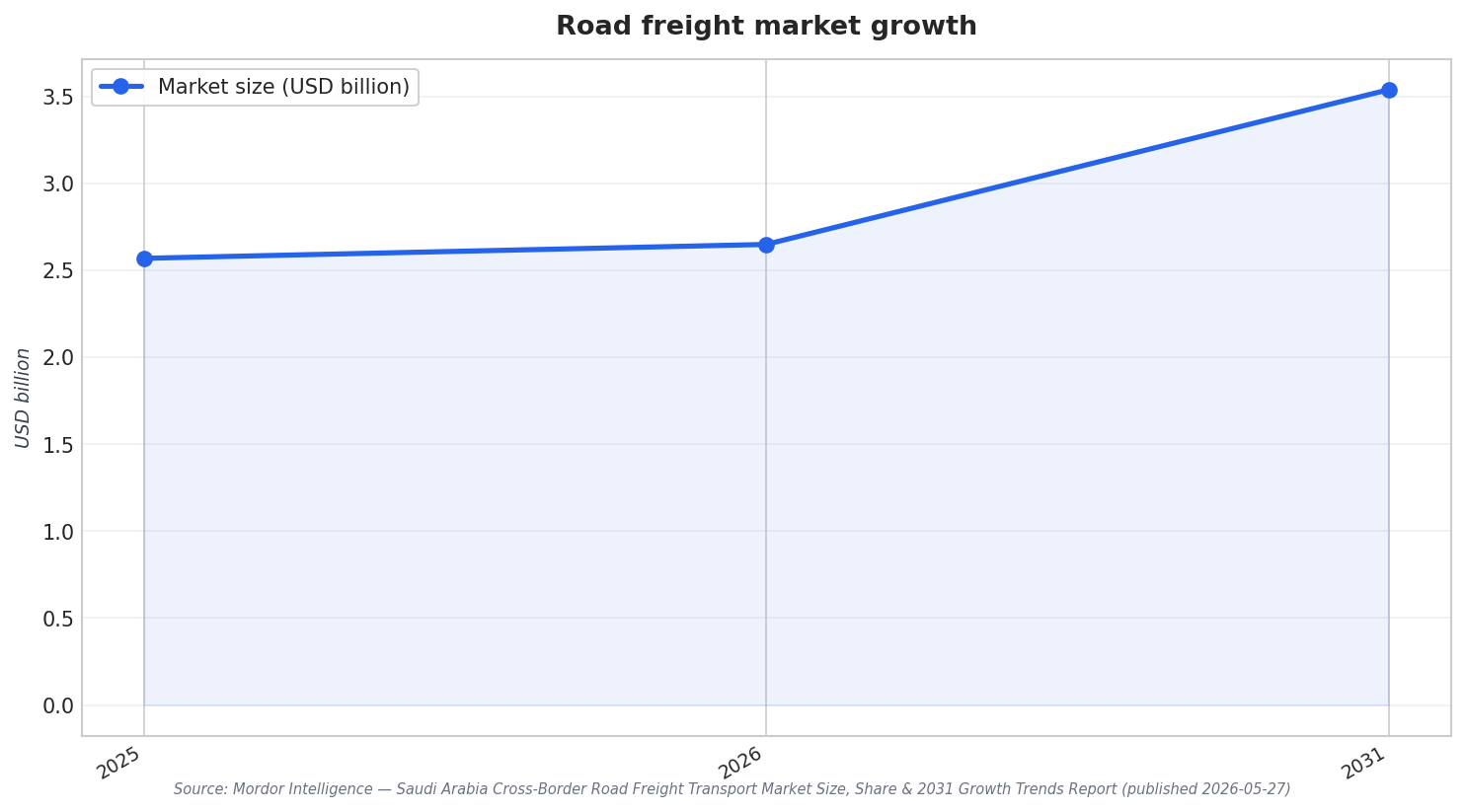
Saudi Arabia’s investment picture also reinforces why ports are being treated as nodes in a larger system. Mordor Intelligence cites USD 133 billion earmarked for new roads, ports, airports, and 59 logistics centers spanning 100 million m² to be delivered by 2030, and notes that twenty-one of these centers are already in execution. That same source states their integration with the Fasah customs portal will compress import dwell times that have historically jeopardized cargo integrity, which is especially relevant for temperature-sensitive shipments. Meanwhile, the freight and logistics outlook describes 59 inland logistics centers covering 100 million m² anchored in a master plan, and highlights how inland capacity can relieve quayside pressure when cargo can be cleared and staged away from the waterfront.
Inland and multimodal links add another lever for reducing congestion-driven delays. Mordor Intelligence reports that Riyadh Dry Port processes 950,000 TEUs annually with on-site bonded storage, describing this as a way to slice gateway dwell time and free quayside capacity for additional vessel calls. The same analysis also notes a Special Integrated Logistics Zone at King Khalid International Airport spanning 32 million ft², with duty-deferred storage and automated clearance that slashes average e-parcel customs release times below two hours. Together, these examples show why smart ports cannot be judged only at the quay: automation, bonded infrastructure, and single-window clearance shift work off the critical path and make turnaround times more predictable across modes.
How do automated cranes improve performance in Saudi ports?
What role does FASAH play in a Saudi smart port single-window model?
How big is the smart port market in Saudi Arabia, according to the sources?
Which Saudi facility is cited for shifting dwell time away from the quayside?
What is the scale of planned logistics infrastructure connected to faster clearance?