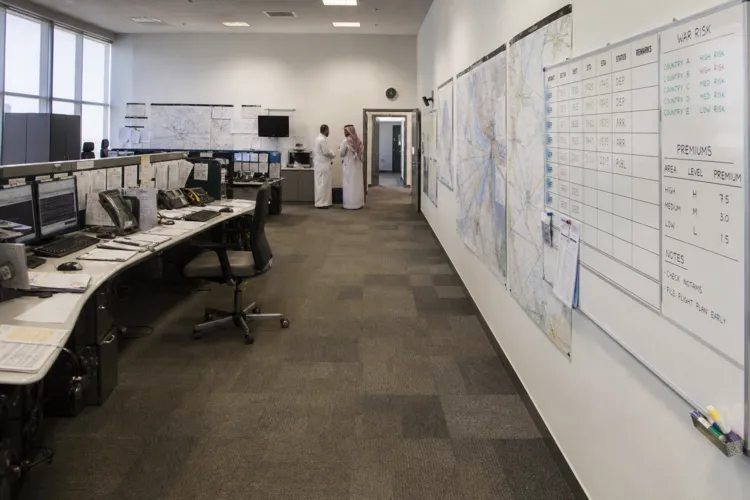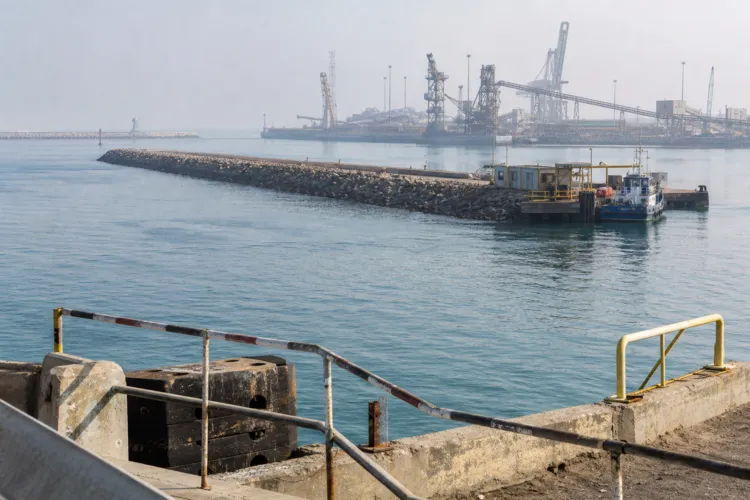
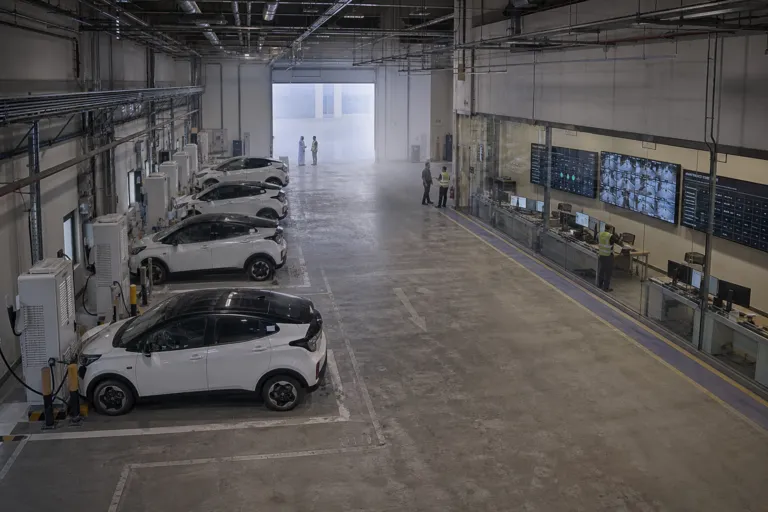
Planning a robotaxi rollout is not only about vehicles. It is a depot and operations problem first. In Saudi Arabia, the momentum behind automation is visible in robotics market forecasts that signal sustained investment through 2030. MarketsandMarkets values the Saudi Arabia intelligent robotics market at USD 136.4 million in 2025 and projects USD 405.7 million by 2030, a 24.4% CAGR. That growth is framed as Vision 2030-driven modernization, with robotics deployment spanning industrial manufacturing, healthcare, logistics, and oil and gas. For a robotaxi program, this matters because depots resemble industrial sites: they need predictable workflows, automated inspection, tight safety controls, and integration across software and hardware.
A scalable depot stack starts with automation maturity and the availability of integrators. Two separate views of industrial robotics underline the direction of travel. NextMSC values the Saudi Arabia industrial robotics market at USD 823.42 million in 2025 and estimates USD 876.96 million in 2026, with a forecast of USD 1,451.21 million by 2035, expanding at a 5.76% CAGR between 2026 and 2035. In unit terms, NextMSC estimates deployed robot volume at 10 thousand units in 2025 and 11 thousand units in 2026, rising to 21 thousand units by 2035. Grand View Research separately states the Saudi industrial robotics market generated USD 672.4 million in 2025 and is expected to reach USD 2,457.5 million by 2033 at a 17% CAGR from 2026 to 2033. These are industrial figures, not robotaxi counts, but they frame the local capability base that a depot builder can draw on.
Charging Throughput and Remote-Ops Need Industrial-Grade Systems
Charging and remote operations must be designed like a high-availability plant. The local robotics context shows both an adoption gap and a clear push to close it. Gulf Commercial Insights estimates robot density in Saudi Arabia and the UAE at 15 to 50 units per 10,000 manufacturing employees, compared with a global average of 132 to 162. It also notes that the IFR does not publish country-level robot density for Saudi Arabia, the UAE, or Qatar, and that their absence from the IFR’s top-25 country tables is verified. For a robotaxi depot, this gap implies that workflows and tooling cannot assume fully saturated automation today. Instead, the stack should prioritize modular automation, clear standard operating procedures, and integrator-friendly interfaces so fleets can scale while local capability scales with them.
Vision systems are another practical building block for depot uptime. MarketsandMarkets links Saudi robotic vision adoption to Vision 2030, emphasizing quality control automation and AI-integrated inspection across manufacturing and non-oil sectors, with oil and gas, food processing, and pharmaceuticals highlighted as leading adopters. A robotaxi depot can translate that same logic into automated checks: repeatable inspection routines, consistent fault detection, and controlled handoffs from autonomous driving to assisted recovery processes. The more standardized the inspection and triage flow is, the easier it becomes for remote support teams to act quickly and for depot labor to focus on exceptions rather than routine verification.
Finally, the stack should connect depots to the Kingdom’s wider automation and service ecosystem rather than treating mobility as a standalone silo. Grand View Research notes that electrical and electronics was the largest revenue-generating industrial robotics end use in Saudi Arabia in 2025, with a 30.18% revenue share, and it cites collaboration activity such as a September 2022 memorandum of understanding between CNTXT and Boston Dynamics to increase industrial robotics adoption in Saudi Arabia. In parallel, MarketsandMarkets projects Saudi Arabia’s delivery robots market growth from USD 5.6 million in 2025 to USD 22.35 million by 2030 at a 31.9% CAGR, driven by Vision 2030 initiatives. Those markets are adjacent, but they reinforce the same operational truth: scaling autonomy depends on depots, charging discipline, and remote-operations processes built to industrial standards and integrated into the local robotics supply chain.
What market signals suggest Saudi Arabia can build robotaxi-scale depot operations by 2030?
What does industrial robotics growth imply for depot automation and integration capability?
How should Saudi robotaxi fleet depot operations think about automation maturity today?
Why do robotic vision systems matter in depot and remote-operations workflows?
What adjacent autonomy markets reinforce the case for industrial-grade operations?