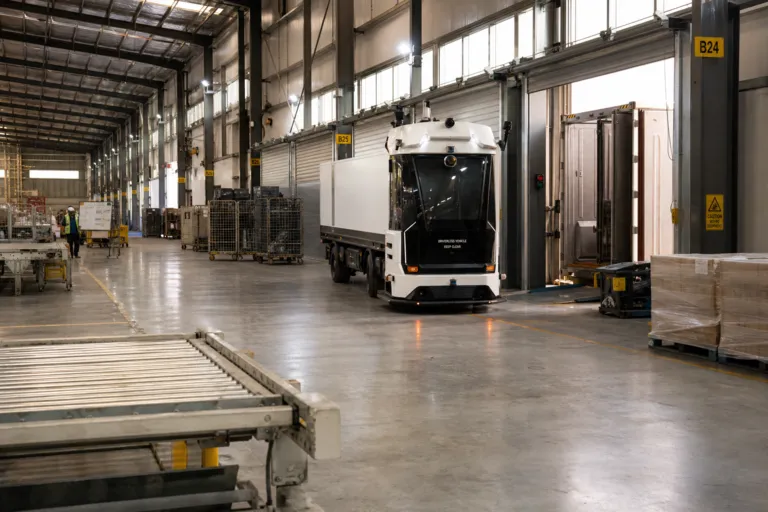
Riyadh is preparing for a shift in how parcels move across the city. By mid-November, 24 autonomous trucks are expected to begin trial operations on Riyadh roads, bringing driverless technology into parcel and freight delivery. The first phase focuses on transporting parcels within the capital so performance and efficiency can be assessed under real conditions. Abdul Latif Jameel Motors is carrying out the pilot in cooperation with Saudi Post | SPL, moving shipments from the main center to neighborhood centers. The service will be provided free of charge throughout the trial period.
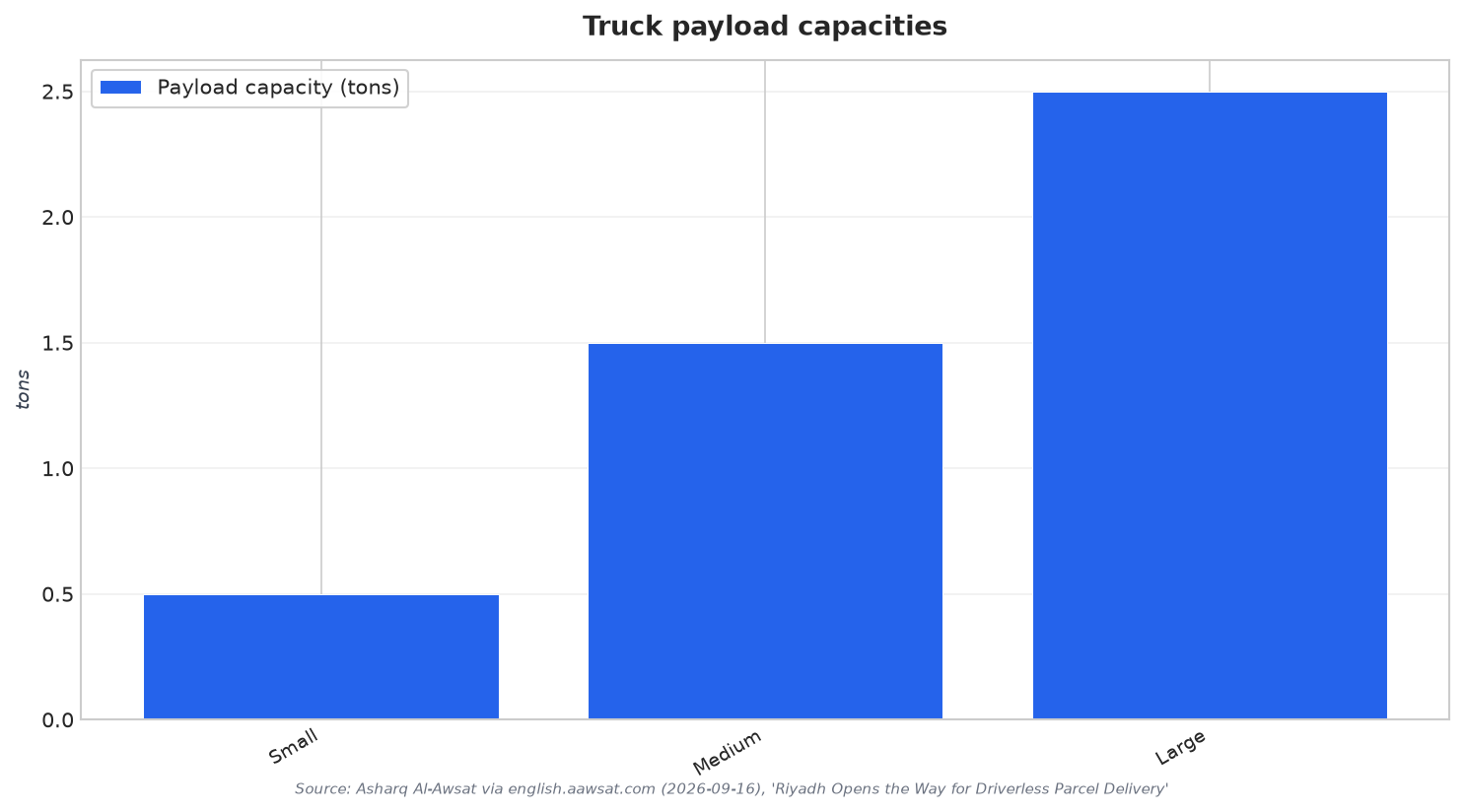
The trial sits within a formal push to enable autonomous mobility solutions. In May, the General Transport Authority sponsored a memorandum of understanding between Abdul Latif Jameel Motors and China’s Zeelos Technology, which specializes in autonomous driving technologies. Ammar Baterdok, General Manager of Mobility Solutions Projects at Abdul Latif Jameel Motors, said the pilot begins after geospatial mapping is completed and the autonomous driving systems are trained on local roads. The fleet in the first phase includes 24 trucks of different sizes and models, spanning payload capacities of 0.5 tons, 1.5 tons, and 2.5 tons, including refrigerated and non-refrigerated options.
What the Trial Will Test in Real Riyadh Conditions
Execution details show what operators will be measuring in the Riyadh autonomous middle-mile delivery truck trial. Four trucks have already arrived in the Kingdom, while another 20 are in transit, with logistical challenges affecting shipments from China due to developments in the region. Remaining batches are expected to arrive successively during October and November. Baterdok said the company is prepared to extend the pilot period for several months if necessary to collect sufficient operational and investment data. The goal is to judge fleet performance and economic viability before deciding on any commercial expansion.
The operational case for middle-mile automation is linked to demand intensity in Riyadh. One industry outlook says same-day services lead growth at a 9.46% CAGR through 2031, as consumers demand sub-24-hour fulfillment. The same source says Riyadh generates about 44% of all online orders, concentrating parcel volumes and tightening delivery windows across dense routes. Another reported pressure point is transaction growth: e-commerce orders climbed 49% year-on-year to 118 million in Q1 2026, with Riyadh alone generating 44% of orders. These are the kinds of dynamics that make predictable hub-to-hub moves strategically important.
Readiness is not only a vehicle question. Logistics expert Hassan Al-Khalil said large-scale use would require precise maps, reliable communications, smart infrastructure, and coordination among relevant authorities. He pointed to practical challenges such as traffic congestion, roadworks, dust, route changes, and how loading and unloading points are organized. The trial is also a financial test. Baterdok said the pilot phase costs “millions of riyals,” covering vehicle purchases, customs clearance, fees, and taxes, and that the investment is intended to test economic and technical viability, not generate a direct financial return.
When will Riyadh’s driverless parcel truck trial start, and how big is the fleet?
What route will the autonomous trucks run with Saudi Post | SPL?
What payload capacities are planned for the trucks in the Riyadh autonomous middle-mile delivery truck trial?
What needs to happen before the trucks can begin operating on Riyadh roads?
What challenges could affect scaling autonomous parcel trucking beyond the trial?