The Red Sea Destination is a tourism megaproject on the Red Sea coast of Saudi Arabia, developed by PIF-owned Red Sea Global as part of Saudi Vision 2030. The project is located in Tabuk province between Umluj and Al-Wajh across a 28,000 km2 area. The plan includes 50 hotels with 8,000 rooms and more than 1,000 residential properties across 22 islands and 6 inland sites. The location description also highlights more than 90 unspoiled offshore islands and 200 km of coastline. In this setting, aviation is not only about international arrivals. It is also about connecting coastal lagoons, islands, and inland destinations in a way that fits a resort-based visitor journey.
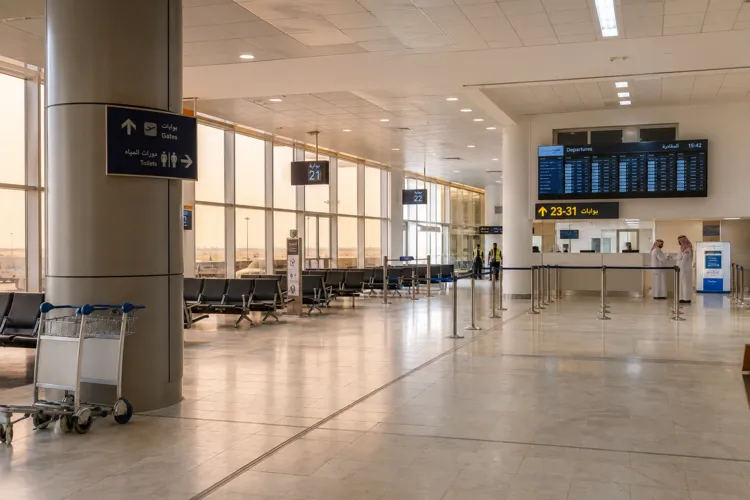
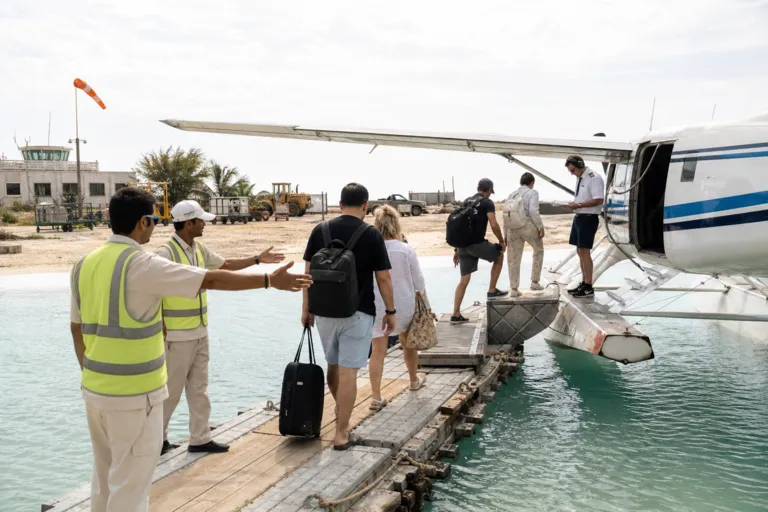
Red Sea International Airport (RSI) is positioned as a key access point for the development. The airport began operations on 21 September 2023 and is purposely situated 20 km from the coastal lagoons and islands under development. Wikipedia notes an expectation that the airport will serve one million passengers per year in 2030. It is also described as able to serve amphibious seaplanes with a dedicated water runway. Another report characterizes it as the region’s only airport to include a dedicated runway for seaplanes. Together, those details frame how the destination can blend land-based flights with water-landing operations to reach island resorts and coastal zones.
Why Seaplanes Fit a Lagoon-and-Islands Masterplan
The Red Sea Destination’s geography includes the Al Wajh lagoon, described as a 2,081 km2 area with coral reefs, seagrass, and mangroves. Within a masterplan that spans many islands and sites, amphibious seaplanes can be positioned as a bridge between conventional runway infrastructure and water-adjacent resort areas. This is where the keyword topic of Red Sea tourism aviation seaplanes becomes practical: a dedicated water runway at RSI supports aircraft that can transition between land and water operations. While the sources do not list specific routes or operators, they do establish the enabling infrastructure and the proximity of the airport to the coastal development footprint.
Operational figures in 2026 also show how quickly airport activity can scale around peak demand. During the 2026 Eid Al-Adha period, Red Sea International Airport increased total flight movements to 80 while offering more than 15,000 seats, according to a construction industry report. The same source says the airport strengthened Saudization initiatives and is pioneering sustainable aviation fuel adoption across Saudi Arabia’s tourism aviation sector, without providing a numeric fuel share. For planners, these kinds of movement and seat figures help frame the size of arrival waves that could feed onward connections, including water-runway operations when those services are deployed.
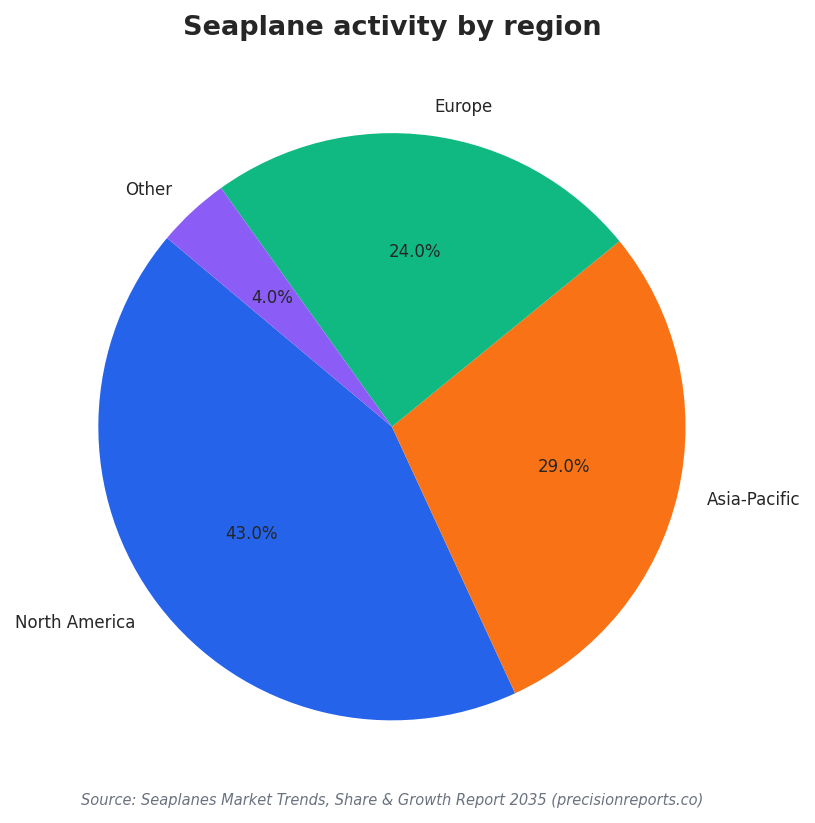
Global market context helps explain why tourism destinations are paying attention to seaplane connectivity. One market report estimates the seaplanes market size in 2026 at USD 2,660.98 million, projecting growth to USD 4,814.45 million by 2035 at a CAGR of 6.81%. The same source says more than 62% of operational seaplanes are deployed for commercial passenger transport and that tourism-focused seaplane services increased by 44% across island nations and coastal regions. It also states amphibious aircraft contribute 41% of total fleet usage globally, while floatplanes account for 48% of aircraft demand. These global shares are not specific to Saudi Arabia, but they help explain why a destination with island clusters and a dedicated water runway would see seaplanes as a credible tourism tool.
What makes Red Sea International Airport relevant to a seaplane network?
What 2026 operating numbers were reported for Red Sea International Airport?
How big is The Red Sea Destination project area and what is planned there?
How does the Red Sea tourism aviation seaplanes concept align with global trends?