NEOM is framed as an open-air laboratory for how people live, work, and move in a post-oil era. In this model, the NEOM autonomous shuttle network is not a standalone pilot. It is part of a wider push to replace mass reliance on privately owned vehicles with shared options such as autonomous shuttles, robotaxis, e-bikes, and other micromobility. The intention is also spatial. NEOM’s plan describes leaving most land undeveloped and free of asphalt and classic highways, while building dense, mixed-use urban corridors that reduce the need for long car journeys. The result is a mobility-first city concept where daily movement is designed into the fabric of The Line and Oxagon from the start.
The Line’s technology vision is described as zero-car urban design, with mobility provided through autonomous systems operating beneath the city’s surface. A separate account of The Line describes a car-free model supported by pedestrian walkways and short-range autonomous pods, plus an underground network for goods delivery using autonomous vehicles to keep commercial traffic invisible to residents. Published figures cited in coverage project that this model could reduce per-capita carbon emissions by up to 95% compared with a conventional city of similar population. Transportation is also described as relying on a high-speed rail spine capable of traversing the full 170 km in 20 minutes, supported by vertical transit systems and autonomous logistics networks for freight.
Designing the Shuttle Backbone for The Line and Oxagon
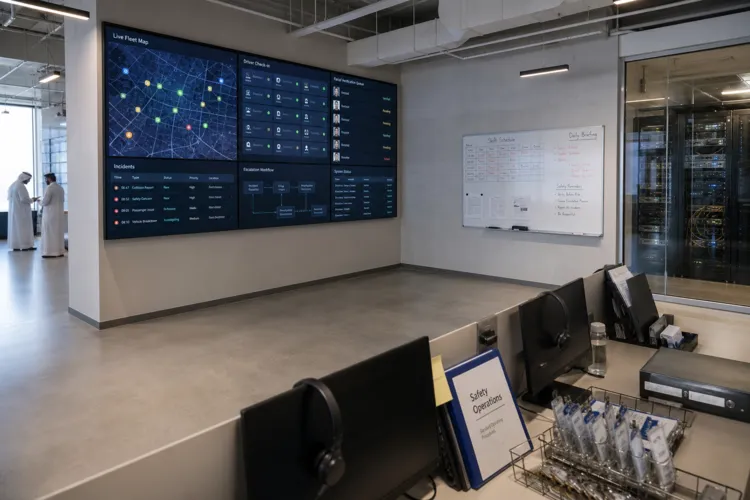
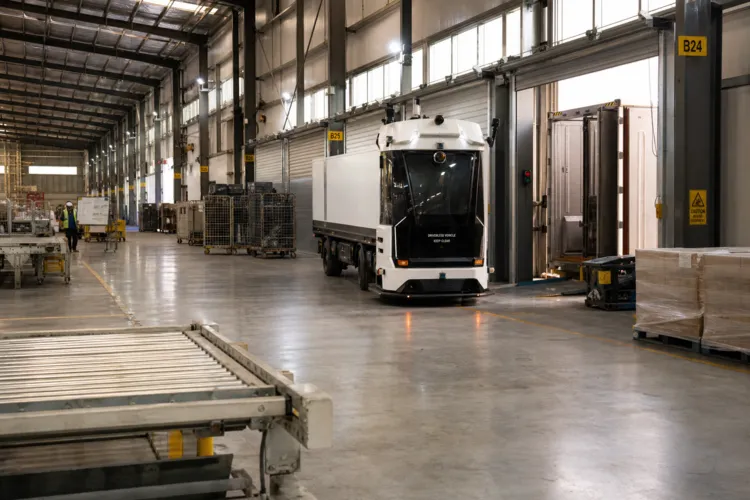
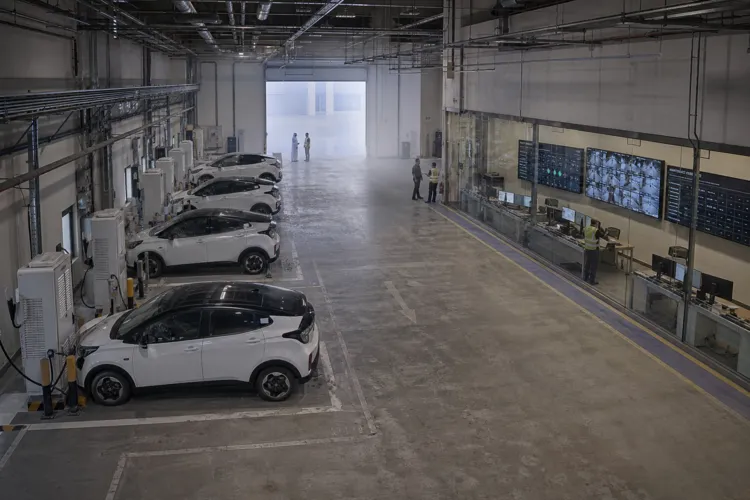
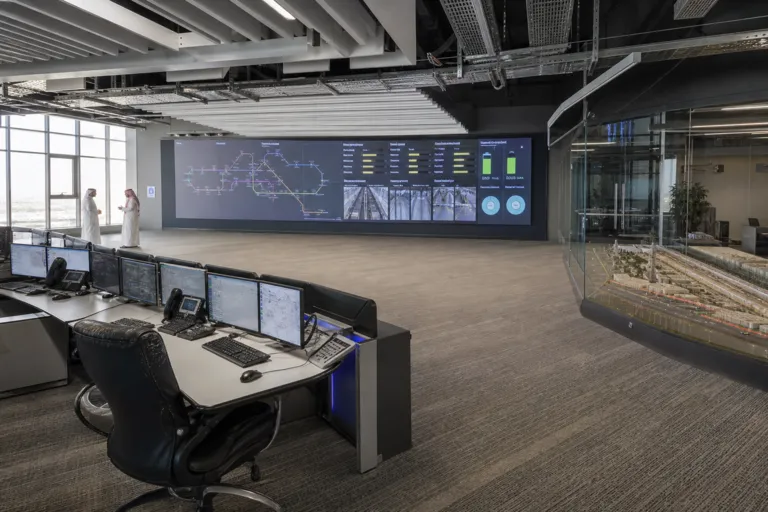
Within NEOM’s daily movement layer, driverless electric shuttles are positioned as the backbone. The vehicles are described as compact, shuttle-style, running along fixed or semi-flexible routes in areas such as The Line and Oxagon. They are expected to rely on sensors including radar, lidar, and cameras, combined with AI-driven software that allows driving decisions without direct human input. The concept also includes central control and monitoring centres, which matches NEOM’s broader approach to digital operations. The same smart-city description highlights a digital backbone that collects and processes data from millions of sensors embedded across buildings, infrastructure, and public spaces to enable predictive maintenance and responsive urban services.
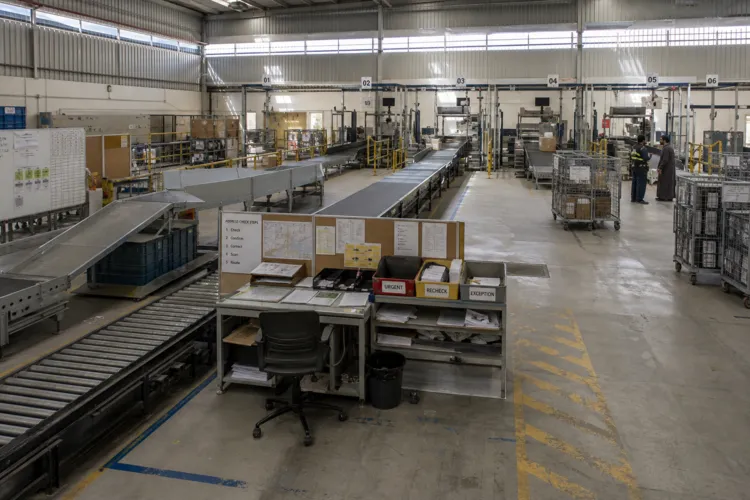
Oxagon adds a distinct use case. It is described as NEOM’s industrial and innovation hub, located at the southernmost point of the NEOM region, where the coastline meets the sea, and designed to extend partially over the waters of the Red Sea on floating infrastructure. Oxagon includes a fully integrated port facility, with a design that incorporates autonomous vessel handling and digital twin technology for operations management, while integrating directly with manufacturing zones to reduce supply chain friction. In that setting, the movement of people and goods becomes one ecosystem. Separate coverage of NEOM also highlights autonomous movement of goods and smart logistics hubs as part of the mobility environment, reinforcing that shuttle planning must connect to freight automation rather than compete with it.
Energy and governance are part of the mobility specification, not afterthoughts. NEOM’s planned mobility is described as based on electric or hydrogen power coming from renewable sources, supporting an ambition of near-zero operational carbon emissions. Another NEOM programme description states the city would be powered entirely by renewable energy, primarily solar and wind, with no accommodation for internal combustion vehicles, and that autonomous mobility systems—from personal pods to high-speed rail—would handle transportation needs. On delivery and integration, SYSTRA says it is leading an international consortium covering feasibility, technology benchmarking, and pre-design references for an integrated regional and urban rail network serving The Line, NEOM Mountain, and NEOM Industrial City, including a review of future solutions such as Hyperloop and next-generation autonomous electric delivery systems.
How is the NEOM autonomous shuttle network expected to work in The Line and Oxagon?
What makes The Line a zero-car mobility concept?
What emissions impact is projected for The Line’s car-free model?
How does Oxagon’s industrial design shape mobility planning?
What role does rail planning play alongside autonomous shuttles in NEOM?