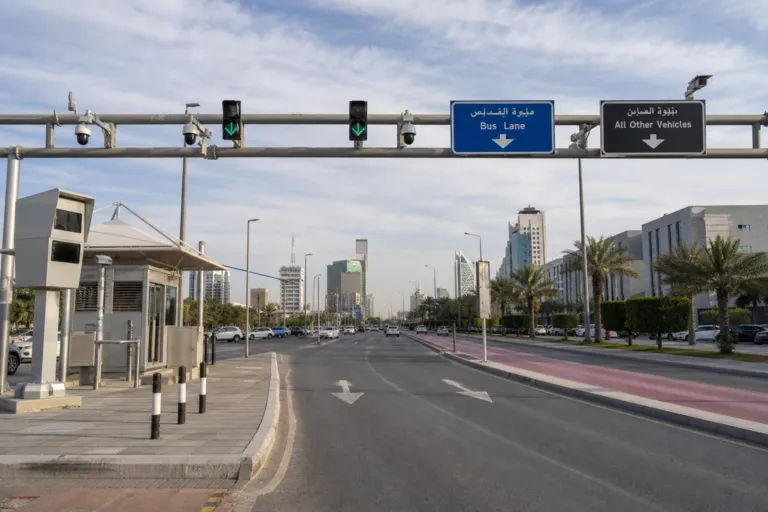
Low-emission zones are increasingly discussed as a practical policy tool to cut transport emissions in dense urban areas. In Saudi Arabia, the idea is now appearing in advisory and market-facing discussions about how to accelerate electric vehicle uptake and reinforce public transport investments. Apricum argues that Saudi Arabia could send a clearer policy signal for EVs by combining monetary and non-monetary incentives, including creating low-emission zones and offering free EV parking in Riyadh and across the country under planned paid parking schemes. That framing matters because Riyadh is managing rapid growth and urban sprawl, which research links to severe traffic congestion, high energy consumption, and limited mobility options.
Policy timing is also shaped by ongoing system upgrades. A qualitative study assessing Vision 2030’s impact on Riyadh’s mobility transition highlights the Riyadh Metro, Riyadh Bus Network, and related smart mobility initiatives. It reports that these efforts have significantly increased public transportation capacity and coverage, and that early indications suggest a slight shift away from private cars, with expected reductions in fuel consumption and CO2 emissions. From a policy design perspective, this sequencing is important: low-emission zones tend to work best when residents and businesses have credible alternatives. Expanding transit capacity and coverage can create that alternative, while access rules can help lock in mode shifts as the network matures.
Why Clean-Air Transport Policy Fits Riyadh’s Urban Reality
Riyadh’s built form and energy profile strengthen the case for clean-air transport measures that go beyond vehicle technology alone. Frontiers research on urban design governance pathways explains that Riyadh’s horizontal expansion—low density, extensive road hierarchy, and land-use segregation—connects to heightened transportation energy consumption, increased surface temperatures, and augmented cooling requirements. It also notes that city-wide greening initiatives aim to lower temperatures and deliver energy-saving co-benefits, citing the Green Riyadh program’s goals of reducing urban air temperature while providing energy and environmental advantages. In parallel, a localized Low Carbon Cities Framework for Saudi Arabia (LCCF-SA) finds systemic underperformance in active mobility and notes residential retrofitting below 5%, reinforcing how car dependency and inefficient building envelopes can intensify long-term operating costs.
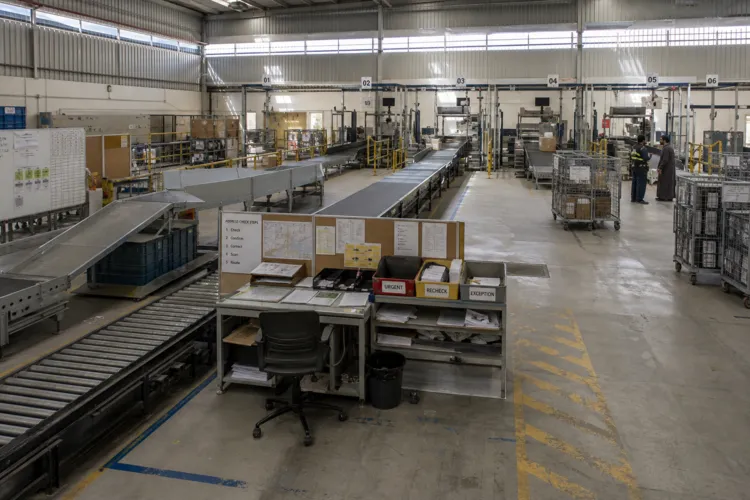
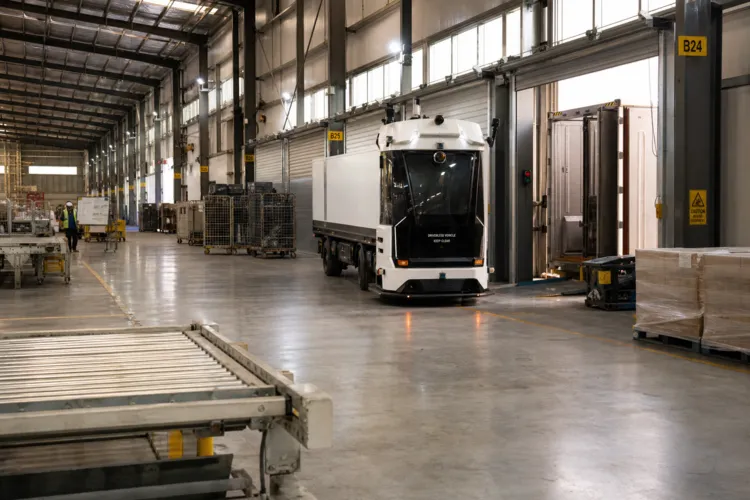
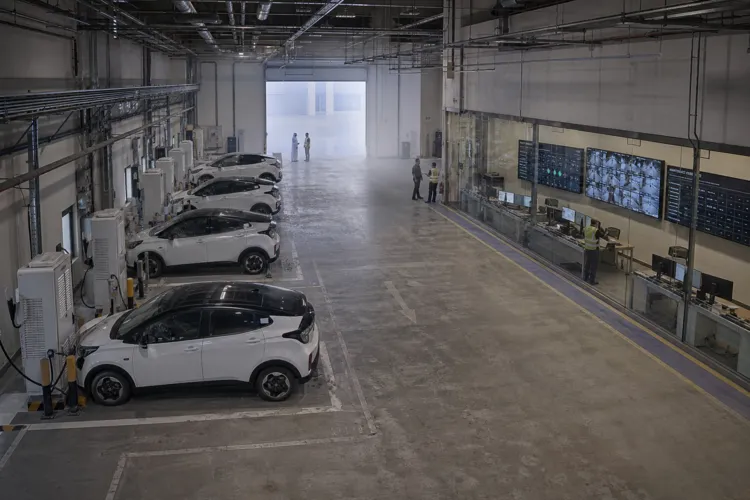
Electrification trends add another lever policymakers can pull if they want a credible pathway for compliance inside potential low-emission zones. An IndexBox report projects the Saudi electric light commercial vehicle (eLCV) market growing from about 1,200–1,800 units in 2026 to 18,000–25,000 units annually by 2035, a projected 30–35% CAGR. It estimates last-mile delivery and parcel logistics account for 55–65% of eLCV demand in 2026, which is relevant because urban access policies often focus on delivery activity in busy districts. The same source flags constraints, including fewer than 600 publicly accessible DC fast-charging points suitable for eLCVs across the kingdom in early 2026, and notes that high ambient temperatures exceeding 50°C in summer months can degrade battery cycle life by an estimated 15–25% compared to temperate markets, adding 8–12% to vehicle purchase costs for thermal management.
For public transport, market reporting also points to momentum. A commercial vehicle electrification market summary says the Saudi commercial vehicle electrification market is valued at USD 1.2 billion, and that key cities including Riyadh lead due to urbanization and infrastructure investment, with public transport systems increasingly adopting electric buses to reduce emissions. Together, these signals suggest the building blocks of a Saudi low-emission zone urban transport policy are emerging: expanding transit options, rising electrification in fleets, and urban design programs oriented toward lower heat and better environmental performance. The policy case becomes strongest when access rules are paired with charging deployment, fleet financing solutions, and clear operational definitions so logistics and public agencies can transition without disruption.
Are low-emission zones officially planned for Riyadh?
What has Vision 2030 mobility policy already changed in Riyadh?
How could a Saudi low-emission zone urban transport policy connect to electrifying delivery fleets?
What infrastructure constraints could limit low-emission zone implementation?
Is public transport electrification part of the clean-air transport picture?