Saudi Landbridge railway 2026 is moving from an idea to active logistics planning. As risks in the Red Sea persist, Saudi Arabia is accelerating a land-based option to protect trade flows. The rail corridor is designed to link Red Sea ports such as Jeddah with Dammam on the Arabian Gulf, and also connect to Jubail. New tenders and early capacity bookings show a shift from trucks and some maritime routing toward rail.
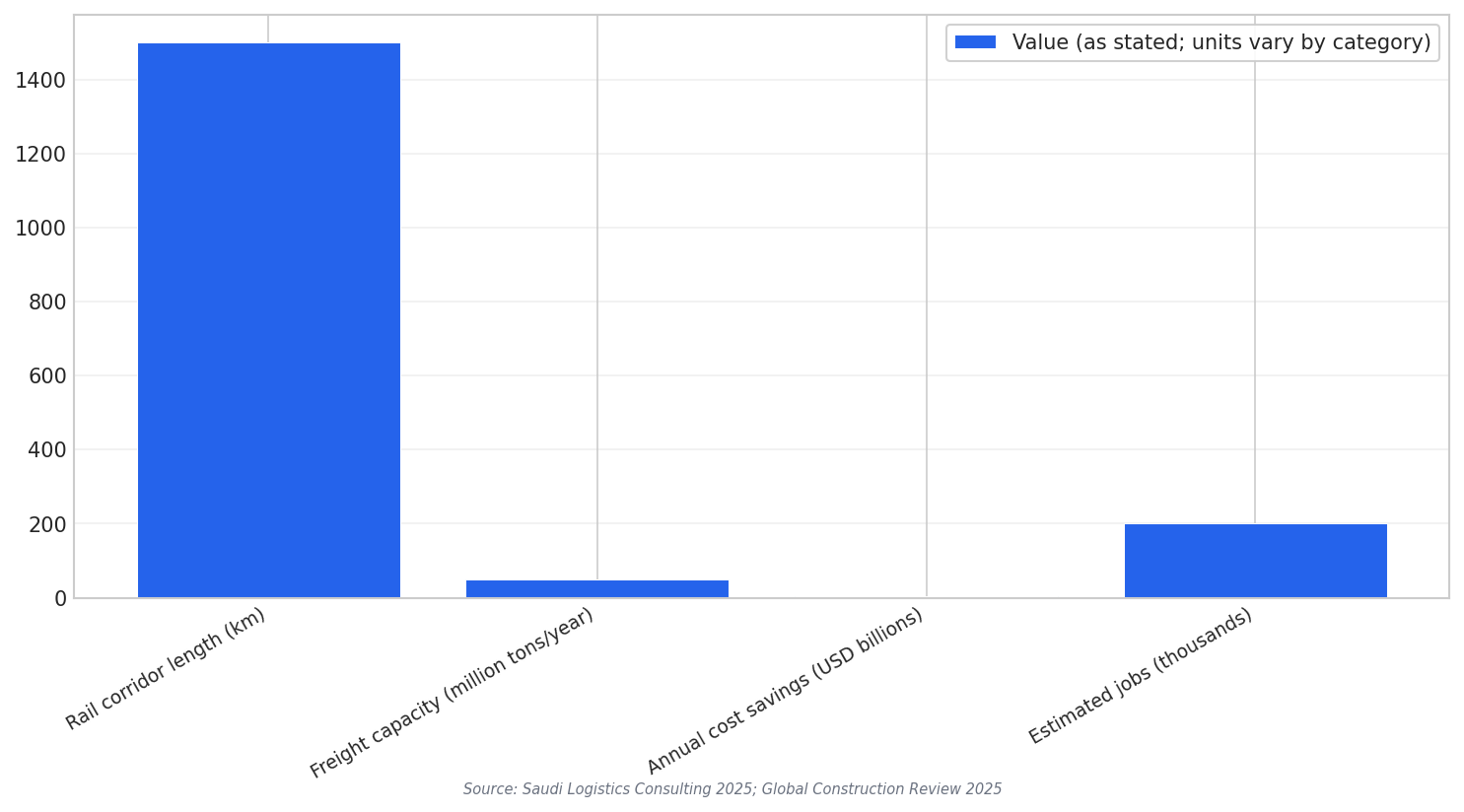
The corridor is described at different lengths across sources, including more than 1,400km of new and upgraded track and roughly 1,500 kilometres from Jeddah to Dammam and Jubail. At the center is a 950km line connecting Riyadh and Jeddah, and one source also highlights a 900km Riyadh–Jeddah line inside a wider network. The plan also includes upgrades to the existing 450km Riyadh–Dammam line and a 115km link between Dammam and Jubail. A key promise is speed: upgrades are intended to help container trains cross the kingdom in under 10 hours.
Several figures in the sources help explain the project’s scale and targets. Investment is cited at $7 billion in some updates, while other reporting describes a $26.6 billion “megaproject.” Officials estimate $4.2 billion in transportation cost savings each year once fully operational. Freight capacity is expected to exceed 50 million tons per year, and job creation is estimated at around 200,000.
What Changes for Freight in 2026 and Beyond
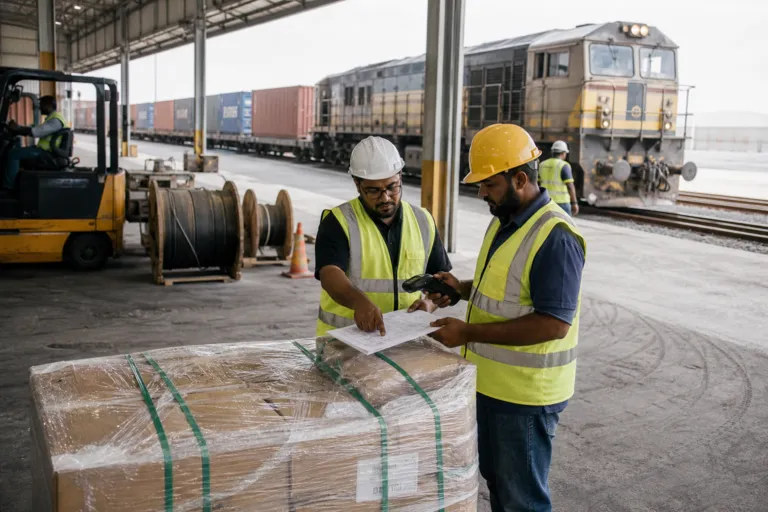
Heavy industry is already pre-booking rail freight capacity for 2026, including manufacturing, petrochemicals, and large exporters. The goal is to avoid maritime delays and reduce exposure to Red Sea security risks. This behavior matters because it suggests companies are ready to rework supply chains inland to secure predictable delivery times.
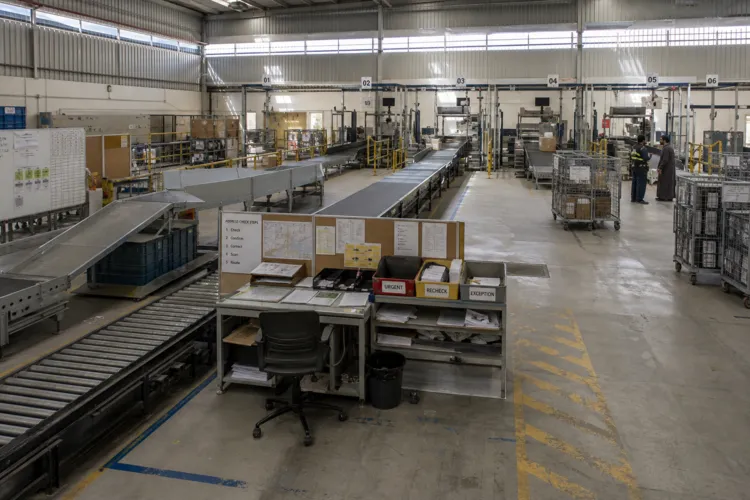
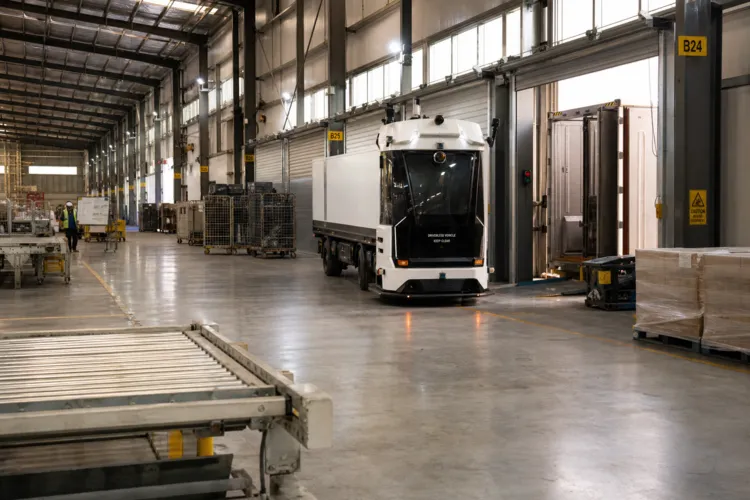
On the infrastructure side, recent tenders focus on the Riyadh Rail Link and upgrades tied to the Dammam–Jubail segment. The Riyadh rail link is described as a 35km line across the city, connecting the North–South Railway with the Eastern Railway Network. Reporting also points to seven new logistics centres along key routes, and another update describes nearly 20 modern logistics hubs planned along the corridor, including seven logistics centers stretching from Yanbu to Riyadh.
The project continues to evolve through design and delivery awards. Construction began in 2025, with operations targeted for the late 2020s. Saudi Arabia Railways has involved multiple international firms for management and delivery support. In April 2026, design activity accelerated again, with sources reporting design contract awards to Spanish firms. Across sources, the direction is clear: an east–west rail freight backbone aligned with Vision 2030 and built to make cross-kingdom logistics more reliable.
What is the Saudi Landbridge railway 2026 project trying to connect?
How long is the Saudi Landbridge corridor?
How much freight is the line expected to carry each year?
What economic benefits are projected for the project?
What does Saudi Landbridge railway 2026 mean for shippers and manufacturers?