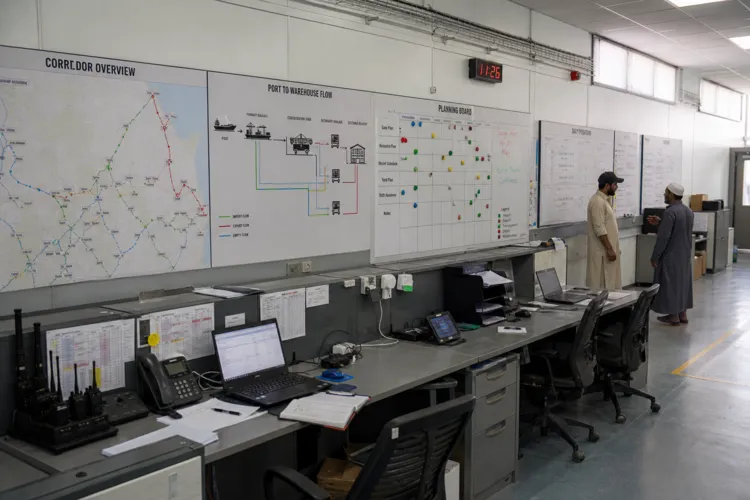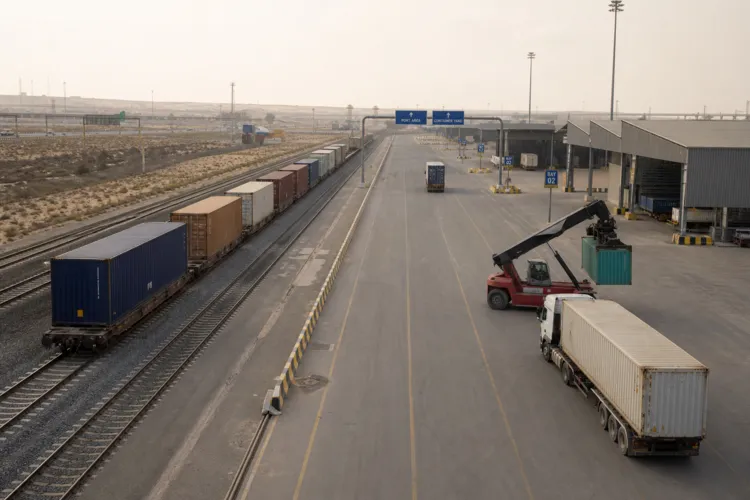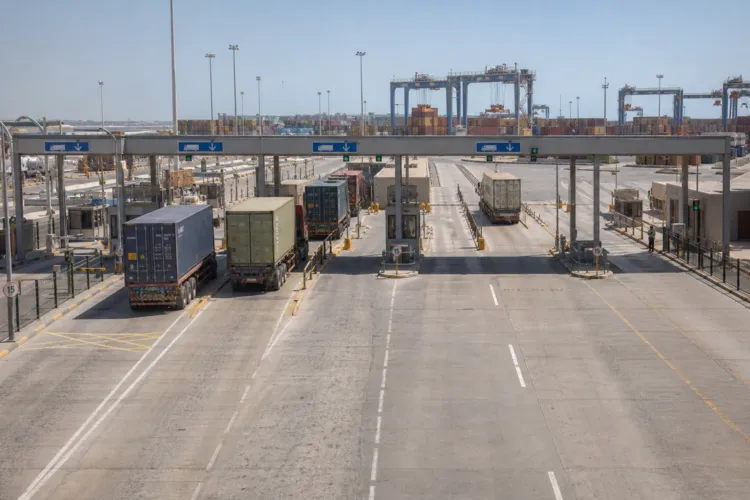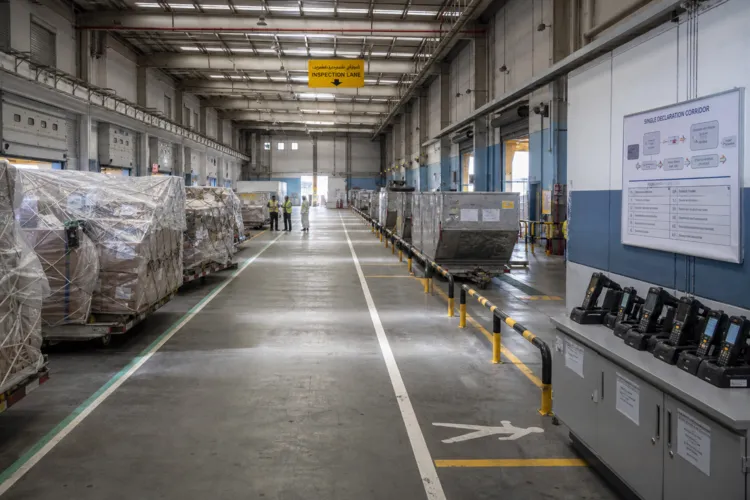
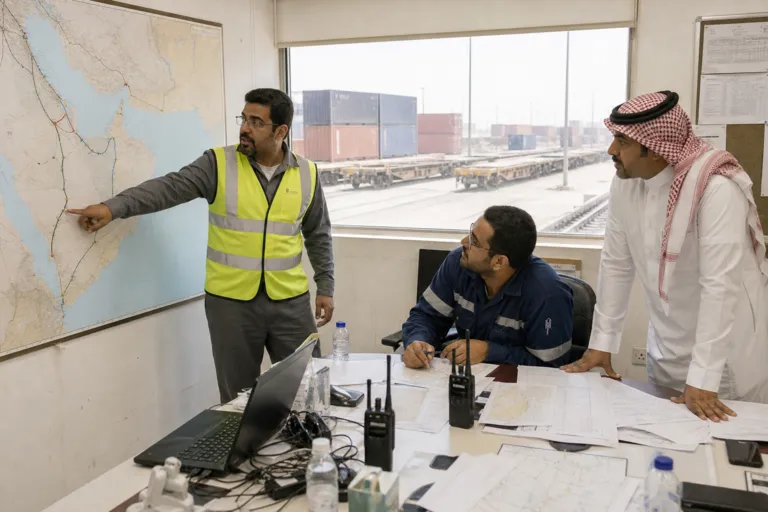
SAR new logistics corridors 2026 is the phrase to watch as Saudi Arabian Railways moves to reshape how freight crosses the Kingdom. Saudi Arabian Railways is launching five new freight corridors linking the West and East coasts, according to SPA. The development is described as part of a pre-war plan to shift traffic off roads and onto the railway. In practice, the effort now puts greater emphasis on improving access from rail hubs at Dammam, Jubail, Ras Al Khair, Al Kharj, and Hail through to Red Sea ports. That focus matters because access, not only track, decides whether cargo stays on trucks or flows into rail-linked port systems.
The corridors are landing into a logistics environment where sea-land combinations are already being packaged by global carriers. MSC Mediterranean Shipping Company is launching a new service from Antwerp in May 2026. The route will ship to Jeddah and King Abdullah Port on the Red Sea, then transfer containers to trucks to Dammam on the East coast, before using feeder services to move freight onward to Jebel Ali, Khalifa Industrial Zone, and other Gulf ports. Hapag-Lloyd is also launching overland options via Saudi Arabia and Oman. These offerings underline why new rail access from major hubs to Red Sea gateways can change routing logic for shippers.
Bottlenecks, Capacity, and the Race to Keep Freight Moving
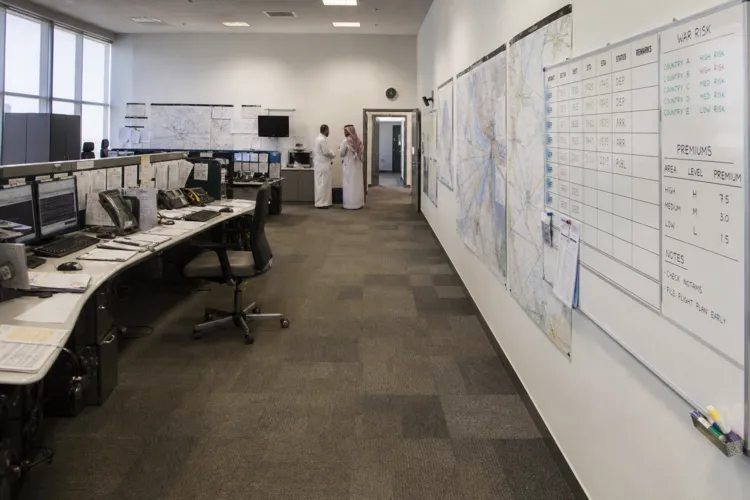
Execution will depend on solving constraints that sit outside the railway itself. One stated challenge to developing new logistic routes has been a shortage of trucks and drivers. Another issue is throughput capacity at ports being pulled into the new logistics networks. The same reporting notes that both Khor Fakkan and Fujairah have limited capacity, with Khor Fakkan never having operated at more than three million TEUs in comparison to Jebel Ali’s 25 million TEUs. Sohar and Salalah are described as efficient operations, with Salalah ranked as the second most efficient container port in the world in 2023, yet both are also suffering capacity issues that will take longer to solve.
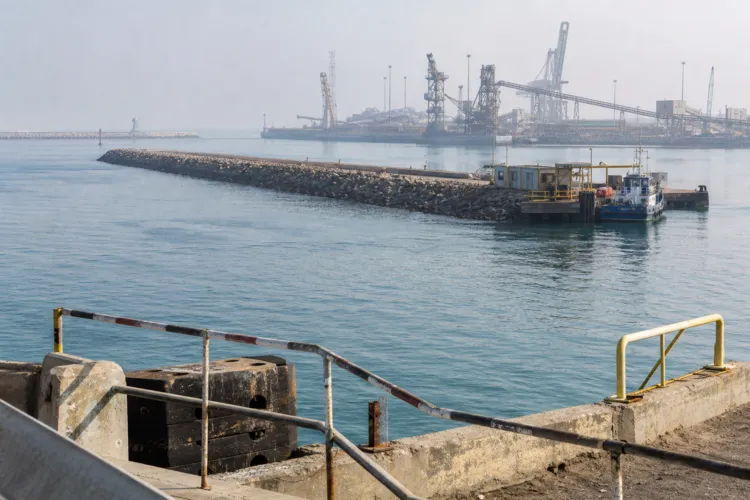
Saudi infrastructure projects around ports and logistics zones show how the Kingdom is also working on the road-and-yard side of the equation. A project executed by Mawani, with a value exceeding SAR 689 million, aims to create a dedicated and direct logistics corridor linking Jeddah Islamic Port with the Al-Khumrah Logistics Park. The corridor stretches 17 kilometers, includes two lanes in each direction, and includes 12 bridges to move trucks without using the city’s internal road network. Minister Saleh bin Nasser Al-Jasser said the corridor will increase the handling capacity of Jeddah Islamic Port by 10%. Separately, the Dammam Integrated Logistics Zone will span 1 million square metres and represents an investment of up to SAR 1.3 billion, with modular warehousing, cold chain, and container handling among the listed elements.
These corridor moves also connect to wider regional efforts to redraw logistics around land routes and border processes. A post-Hormuz analysis argues that Saudi Arabia can expand its role by leveraging Red Sea access and developing integrated sea-land corridors linking western ports to domestic and GCC markets, while balancing port costs, inland transport efficiency, and border processes. The same period has also seen road corridors gain attention, including Highway 95, where the value of goods crossing through the Ramlet Khelah border point nearly trebled to $830m in March from $300m in February, after the crossing opened in January 2023. In that context, SAR new logistics corridors 2026 fits into a broader push for more resilient routing choices across sea, land, and rail.
What does “SAR new logistics corridors 2026” refer to?
Which rail hubs are highlighted in SAR’s corridor push?
How are shipping lines using Saudi land routes in 2026?
What bottlenecks could limit new logistics networks?
What is one example of a Saudi port-adjacent corridor project mentioned in the sources?