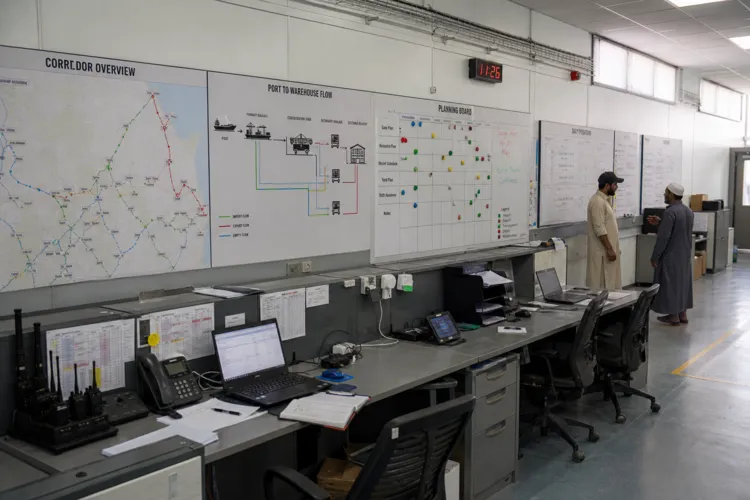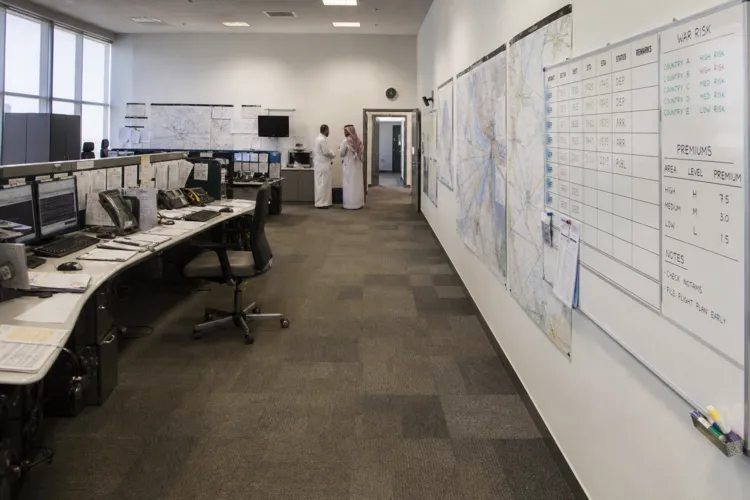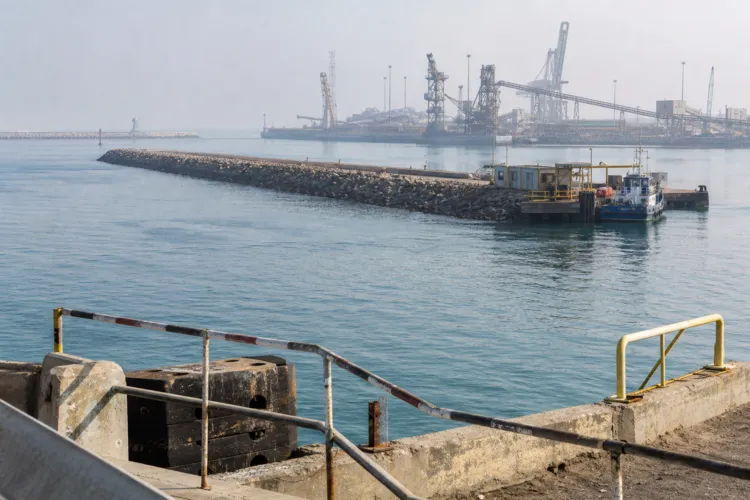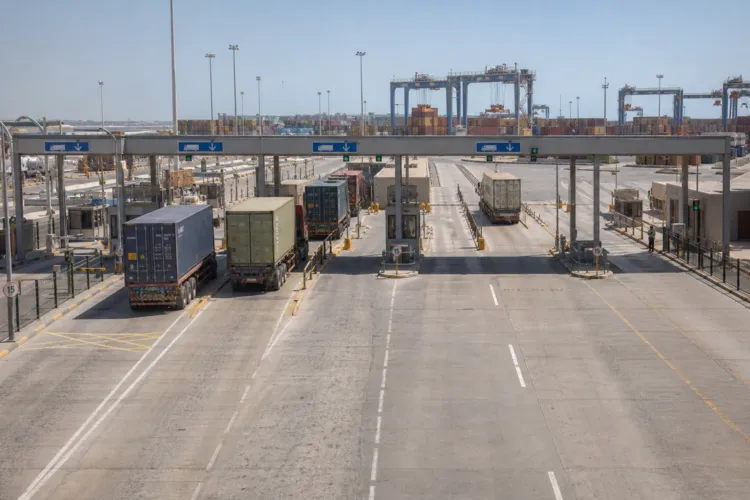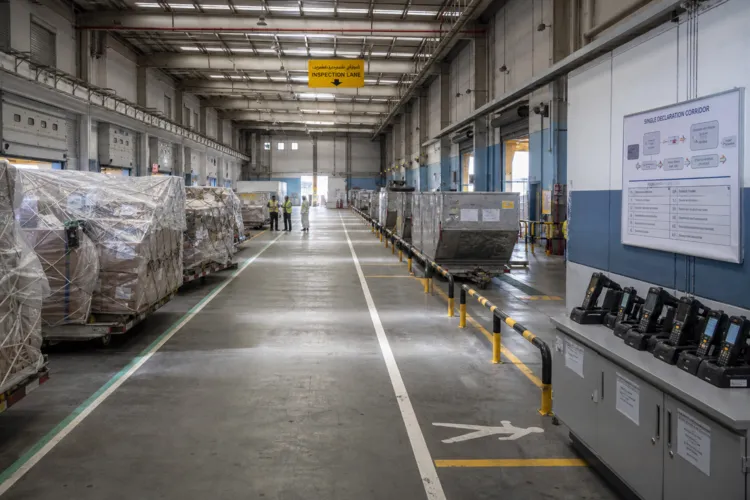
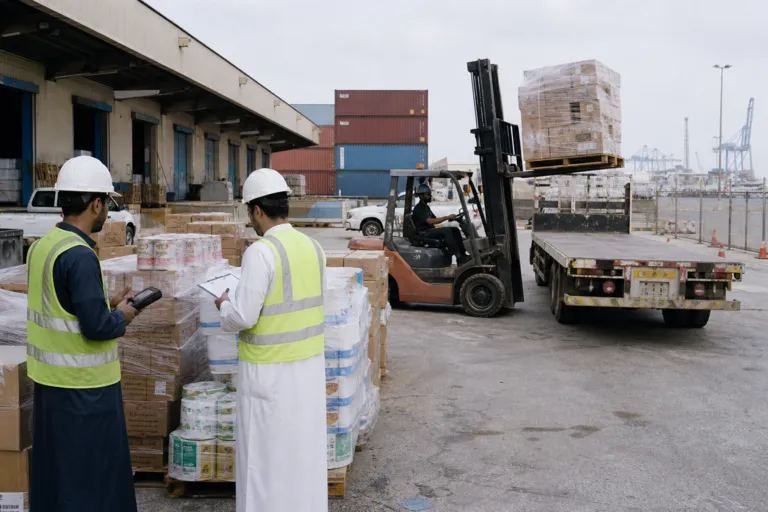
The Strait of Hormuz shock is forcing a rethink of regional routing, and that is where NEOM’s Oxagon pivot is being marketed. Reuters reported that Iran has blocked nearly all shipping into and out of the Gulf since late February. The disruption is significant: it has affected roughly a fifth of global oil and gas flows and left hundreds of vessels unable to transit the Strait of Hormuz. Against that backdrop, Saudi Arabia is positioning the Port of NEOM on the Red Sea as an alternative path for certain import flows toward Gulf destinations.
For some shippers, the appeal is practical rather than visionary. Reuters highlighted a case from Qatar-based distributor Salam Studio & Stores, which went weeks without regular Red Bull shipments and tested an untested corridor from Europe to Doha via the Port of NEOM. The route spans multiple sea and land legs. Salam’s distribution director said the corridor was faster, but much more expensive. Another decisive factor was congestion elsewhere: Jeddah is Saudi Arabia’s main Red Sea port, and congestion there made NEOM more attractive because, as Salam’s Adam Mulla put it, “They chose NEOM because it has no traffic.”
NEOM Oxagon port logistics 2026: A Bypass That Stays Niche
The data so far suggest this is not yet a system-wide reroute. Kpler described NEOM as a niche, RoRo-focused port with stable but limited activity, and said there was no sign of a rerouting-driven surge since the Iran war began. That matters for NEOM Oxagon port logistics 2026 expectations, because it frames the port as a targeted pressure valve, not a full replacement for blocked Gulf gateways. It can offer speed for select cargo, but it is not presented as a complete fix for wider supply disruptions.
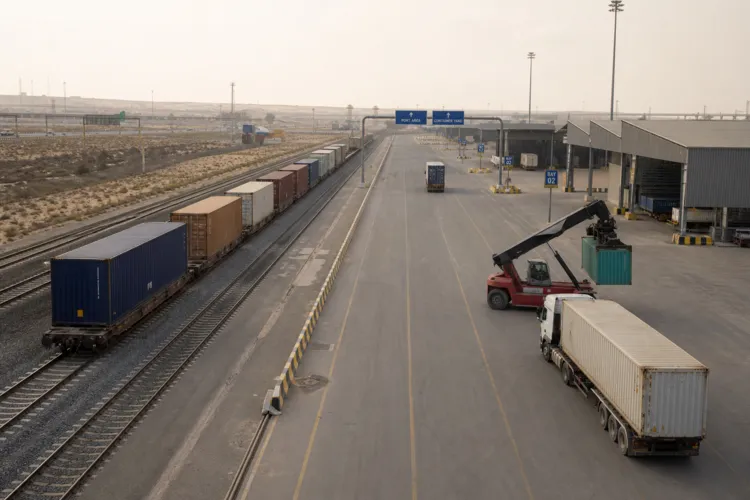
On land, logistics operators are also building optionality across the Arabian Peninsula. Maritime Executive reported increased traffic on Route 95, running from near the Saudi-Qatari border crossing at Salwa through the Shaybah oilfield and into Oman at the Ramlet Khelah border crossing, opened in January 2023. The route cut travel time between endpoints by 16 hours by avoiding older desert paths and diversions through the UAE with customs delays. In parallel, Saudi Arabian Railways is developing five new logistics routes with a greater emphasis on access from rail hubs at Dammam, Jubail, Ras Al Khair, Al Kharj, and Hail through to Red Sea ports.
Energy flows show how the west-coast pivot can work at scale, even if NEOM itself is not an oil port. GPB reported the Port of NEOM does not handle oil, but Yanbu on the west coast has seen a 4x increase in oil exports since February, enabled by an east-west pipeline. Semafor described Saudi Arabia’s East-West pipeline as running about 1,200 km from the Gulf coast to Yanbu, with capacity around 7 million barrels per day and current loading capacity about 5 million barrels a day. Separately, the Jerusalem Post described Saudi Arabia’s Petroline to Yanbu as moving 5–7 million barrels per day and being actively used to bypass the strait, underscoring a broader network logic that complements Red Sea logistics pitches.
Ports and terminals on the Red Sea are also being upgraded as the region adapts. Seatrade Maritime reported that a fully autonomous container terminal is being developed at the Port of Neom, while Jeddah’s Red Sea Gateway Terminal is undergoing a Phase 1 expansion that will enable vessels of up to 19,000 teu to call there. Consultancy Middle East argued that success depends on robust logistics ecosystems around gateways such as Neom and Yanbu, balancing port costs, inland transport efficiency, and border processes to offer a competitive end-to-end alternative. The picture is an evolving toolkit: NEOM can be a low-traffic option for select cargo, while pipelines, trucking, rail, and expanded terminals shape the wider bypass capacity.
What does the NEOM Oxagon port logistics 2026 pivot actually mean?
Why did some shippers choose the Port of NEOM over Jeddah?
How big is the disruption linked to the Strait of Hormuz closure?
What land routes help bypass Hormuz-linked constraints?
If NEOM does not handle oil, how is Saudi Arabia shifting energy exports westward?