PIF transport investments 2026 are best understood through one big shift: the fund’s 2026–2030 strategy is designed to move from rapid growth to “sustained value creation.” PIF says this phase focuses on developing globally competitive ecosystems, unlocking strategic assets, and maximizing long-term returns. Reuters also reports that the new five-year plan puts more emphasis on domestic deployment as part of Saudi Arabia’s diversification drive.
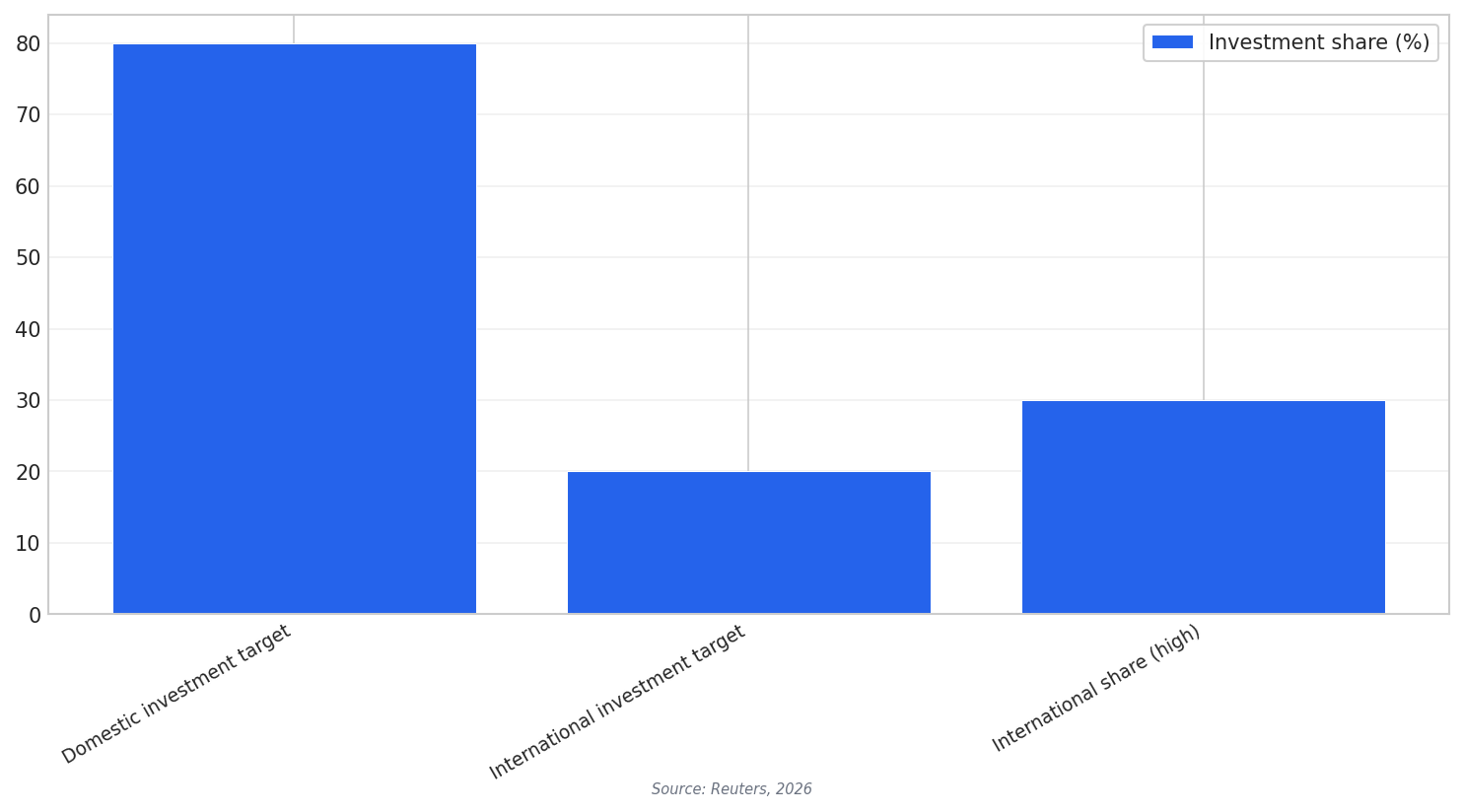
The domestic tilt is now stated in simple targets. PIF Governor Yasir Al-Rumayyan said local investment should be 80% and international investment should be 20%, down from a high of 30%. In other words, transport-linked spending is more likely to connect to local priorities, including tourism, travel, and entertainment, and “industrials and logistics,” which Reuters lists as two of the six ecosystems the fund will prioritize.
The same sources show why the fund is being more selective. Middle East Briefing says PIF approved a minimum 20% reduction in spending across its portfolio of more than 100 companies at a board meeting in December 2024. This matters for transport because large projects increasingly need tighter planning and more outside capital, not just PIF funding.
Where Transport Signals Are Strongest
Aviation stands out because Riyadh Air is in “preparation” mode. The Middle East Insider reports the airline aims for first flights in 2025–2026. It also reports an order book of 100+ aircraft from Boeing and Airbus. If PIF’s strategy is about ecosystems, an airline can pull demand across airports, tourism, and services.
Road transport also appears through technology positioning. The Middle East Insider notes PIF’s investment in Lucid Motors reflects a bet on electric vehicles and autonomous driving. This is not a simple manufacturing story in the sources. It is framed as a “technology bet,” which fits PIF’s stated goal of building globally competitive ecosystems and investing in industries shaping the future economy.
Finally, transport spending is being shaped by mega-events and reprioritization. Middle East Briefing says Expo 2030 and the 2034 FIFA World Cup were placed at the top of the funding stack and are the most protected channels. The same source says Saudi Arabia is expected to construct 15 stadiums for the World Cup, with 11 yet to be built, alongside the associated transport, energy, and hospitality infrastructure required. Reuters also reported PIF confirmed for the first time that The Line, part of NEOM, will be deprioritised, which signals that some projects may move slower while event-linked infrastructure stays protected.
What is the main shift behind PIF transport investments 2026?
How does Riyadh Air fit into PIF’s transport focus?
Is PIF still investing outside Saudi Arabia?
What event projects could drive transport infrastructure decisions?