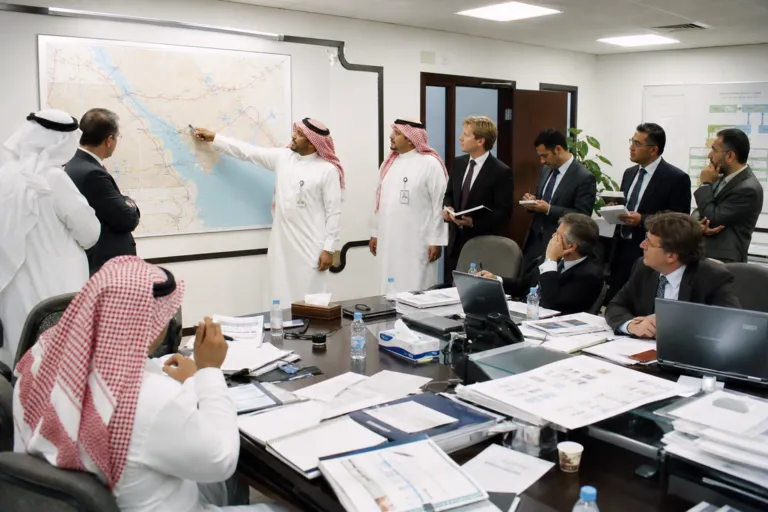
Saudi Arabia’s Ministry of Investment is offering 45 high-potential investment opportunities across the transportation and logistics sectors to local and international investors. This set of opportunities is being discussed alongside broader Vision 2030 ambitions for the sector. Oxford Business Group reports that Saudi Arabia aims to increase the contribution of transport and logistics from 6% of GDP in 2021 to 10% by 2030, and expand the logistics market size to reach USD 57bn by 2030. In that context, the Saudi transport logistics PPP pipeline is best understood as a practical bridge between stated targets and investable assets across modes and services, supported by enabling institutions and large public programmes.
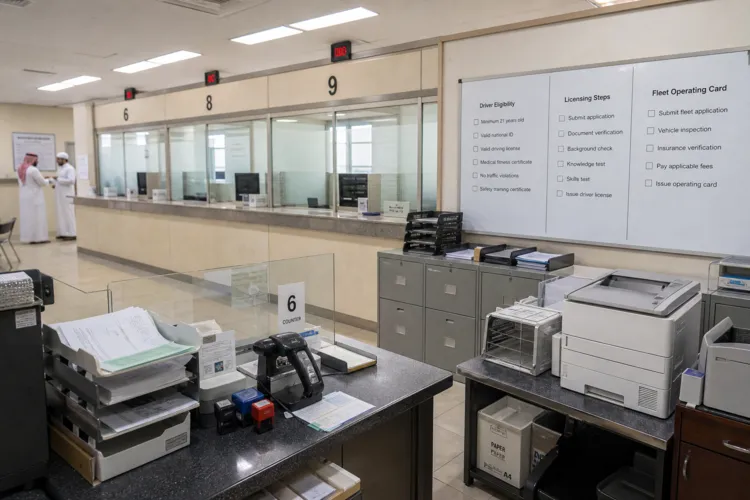
Policy and institutions are central to how private investment is expected to be mobilised. Oxford Business Group highlights the role of the National Centre for Privatisation & PPP in supporting implementation of private sector projects and forging PPPs, while the Government Expenditure and Projects Efficiency Authority promotes government spending and planning efficiency across infrastructure programmes. It also notes the role of the Public Investment Fund (PIF), described as Saudi Arabia’s nearly USD 1trn sovereign wealth fund, with investments across transport and logistics. Examples cited include airline Riyadh Air, which began operations in October 2025, and holdings linked to ports and rail, including Saudi Arabia Railways (SAR). This institutional framework matters because it can shape procurement, project sequencing, and the bankability expectations investors apply.
What the Investment and Capacity Signals Say About Delivery Priorities
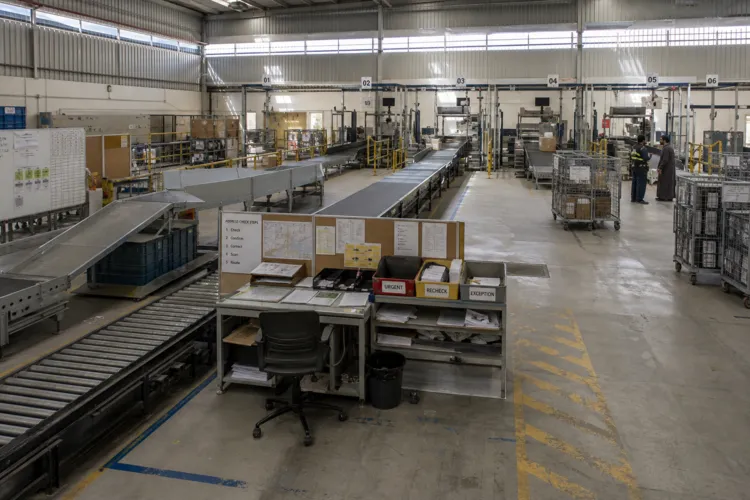
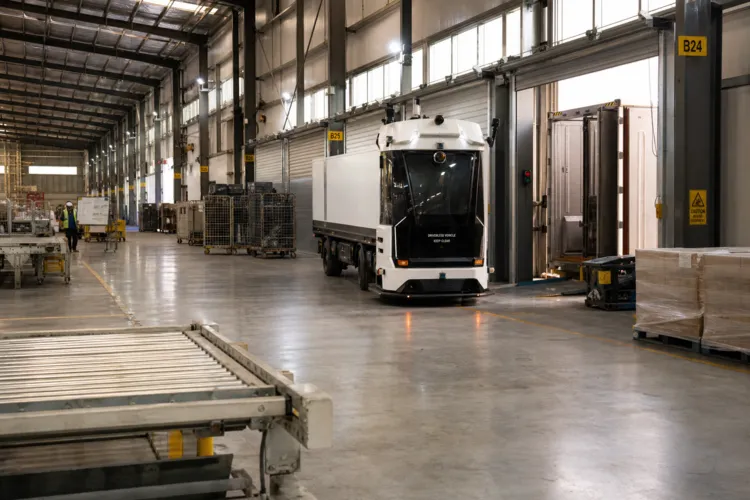
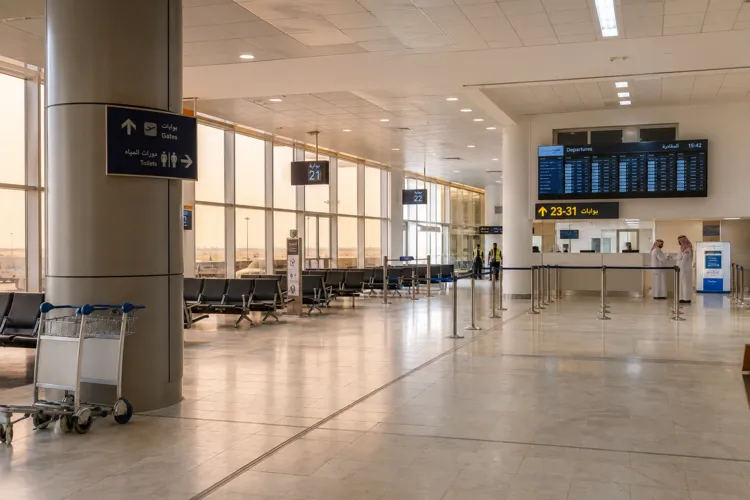
Several published figures illustrate the scale and direction of transport and logistics build-out that can influence which PPP structures are most relevant. Mordor Intelligence states that Vision 2030’s infrastructure drive is anchored by USD 133.3 billion of approved airport, rail, and port outlays. Oxford Business Group also reports broader funding of USD 147bn to grow the sector, announced in 2021, to be invested by 2030. Separately, Makreo Research reports SAR 10 billion allocated to logistics parks and port expansion projects. These signals point to a mix of network upgrades and nodes—such as parks, ports, and multimodal interfaces—where private capital may be asked to finance, build, operate, or provide specialised services under concession-style or partnership models.
Operational trends in the freight and logistics market provide additional clues about where demand could concentrate. Mordor Intelligence values the Saudi Arabia freight and logistics market at USD 27.14 billion in 2025, estimating growth from USD 28.68 billion in 2026 to USD 37.82 billion by 2031, at a CAGR of 5.69% from 2026 to 2031. It adds that freight transport captured 58.92% of market share in 2025, with road freight at a 41.55% revenue share that year. It also notes faster-growth areas across the same forecast window, including air freight projected at a 6.78% CAGR and CEP services advancing at a 6.45% CAGR. In warehousing, non-temperature-controlled warehouses held 77.25% share in 2025, while temperature-controlled capacity is forecast to climb at a 6.48% CAGR between 2026 and 2031.
Network connectivity is also being expanded through rail, which can change corridor economics and improve multimodal offerings. EIN Presswire, citing Makreo Research, reports that in April 2026 Saudi Arabia Railways (SAR) launched five new freight logistics corridors spanning more than 2,500 kilometers. The corridors connect major gateways including Jeddah Islamic Port, King Abdulaziz Port in Dammam, and King Abdullah Port with inland dry ports, industrial cities, logistics hubs, and neighboring GCC markets. Zawya’s summary of the 45 opportunities includes concepts such as Automotive Logistics Zones near planned manufacturing facilities to distribute finished vehicles and spare parts or components. Taken together, the investable theme is not only more infrastructure, but also more specialised logistics platforms that sit on top of corridors, ports, and industrial demand.
What is Saudi Arabia offering in its transport and logistics investment push?
How does Vision 2030 frame sector targets for transport and logistics?
What major public funding figures are cited for transport and logistics development?
What new rail freight connectivity was announced in 2026?
How should investors interpret the Saudi transport logistics PPP pipeline to 2030?