Riyadh Metro has moved from ambition to procurement. The Royal Commission for Riyadh City (RCRC) signed contracts worth around SAR 5.5 billion with Siemens and Alstom for 94 new train sets. That raises the metro fleet from 183 to 277, with deliveries scheduled to begin in phases in 2028. The contracted scope is broader than just vehicles. It includes train manufacturing, onboard systems, equipment, and associated services. But a bigger fleet count is still only a starting point. The practical question is what Riyadh Metro must fund next so those additional trains can be housed, tested, and deployed without bottlenecks.
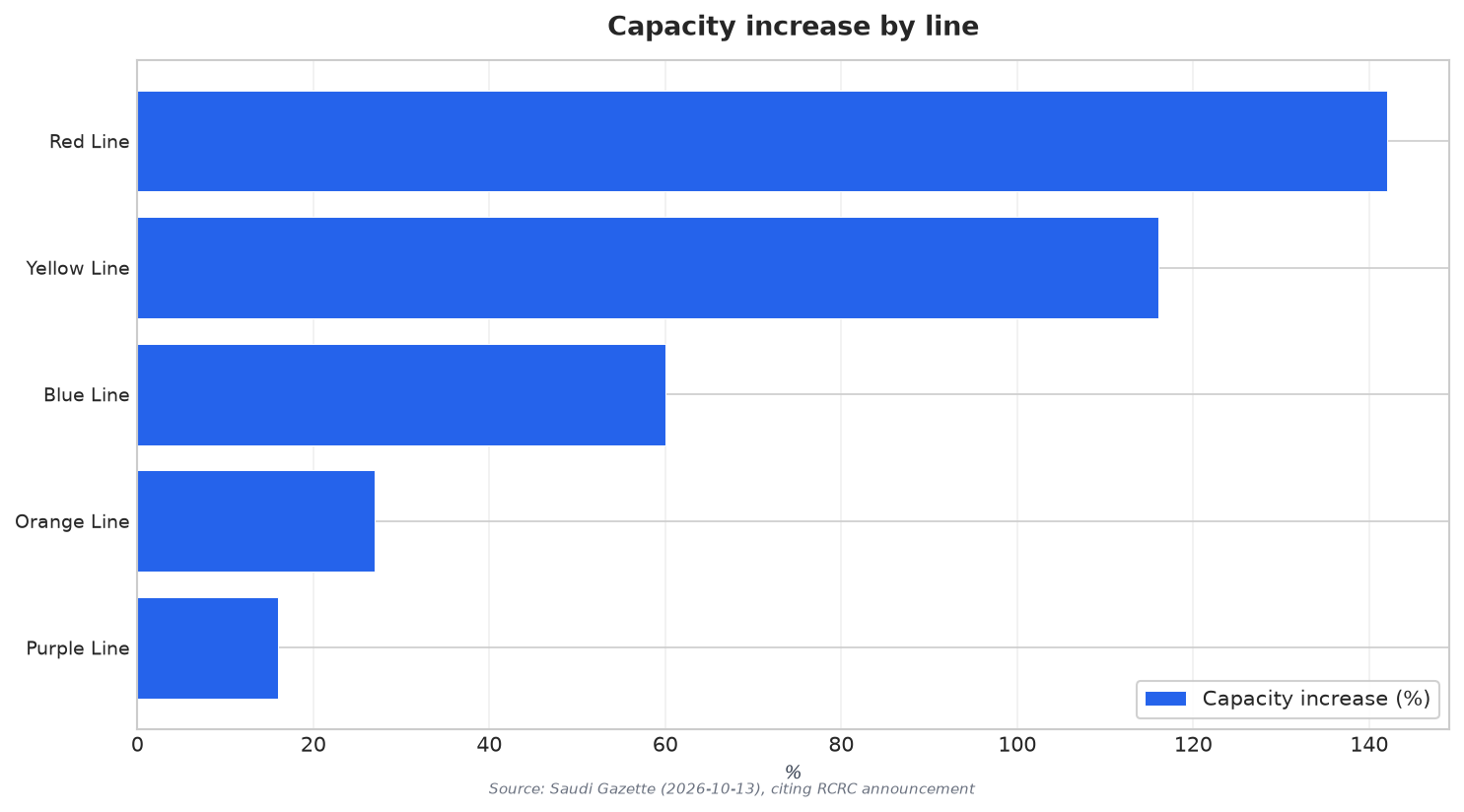
The promise attached to this procurement is capacity growth, not just more rolling stock on paper. RCRC has said the additional trains will increase network capacity by 60%, and that added capacity will be allocated across the six lines based on passenger demand and projected ridership. Reported capacity uplifts by line include 142% on the Red Line, 116% on the Yellow Line, and 60% on the Blue Line, with smaller increases of 27% on the Orange Line and 16% on the Purple Line. For the Blue Line, daily passenger capacity is cited as rising from about 340,000 to 533,000, and for the Red Line from 154,000 to 370,000. Those outcomes depend on service plans and the ability to run higher frequency where signalling and operations permit it.
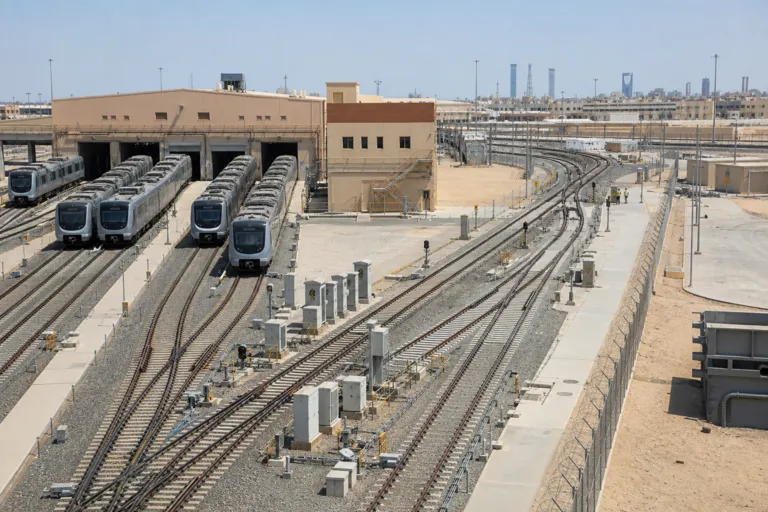
Depot, Stabling, and Signalling: The Hidden Enablers of Fleet Expansion
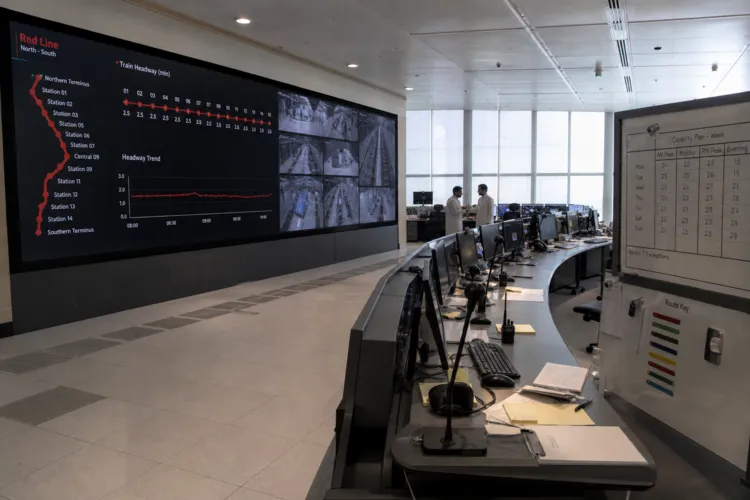
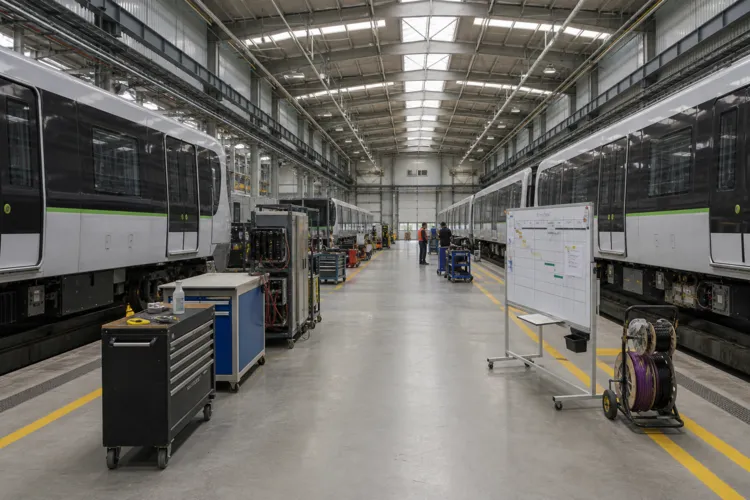
The Riyadh Metro depot stabling capacity question becomes more acute as the fleet grows toward 277 trains. RCRC has said the network was designed from the outset to accommodate additional trains and allow gradual capacity expansion as ridership grows. Even with that design intent, the conversion of deliveries into service requires practical readiness: space to stable trains when they are not in service, processes to cycle units through testing and operational trials, and signalling and operational control that can support higher frequency and reliability. One analysis also cautions that fleet growth and passenger capacity growth use different denominators, because capacity depends on train size, frequency, operating hours, the share of the fleet actually in service, and how trains are distributed across lines.
Timing and ramp-up mechanics matter because deliveries are scheduled to begin in batches from 2028, and trains will undergo testing and operational trials before entering service in phases. That staging creates a pipeline that must be managed. If stabling space is constrained, trains delivered early may sit idle longer than planned, delaying the practical benefit of the SAR 5.5 billion commitment. If signalling or operating rules limit frequency on the corridors where demand is strongest, adding trains may first show up as resilience rather than shorter waits. That can still be valuable, but it changes how the public experiences the investment and how the headline capacity uplift is realized across lines.
Demand signals in the sources underline why readiness is becoming urgent. RCRC has said the Riyadh Metro has recorded around 300 million passenger trips since starting operation in December 2024, and that average monthly ridership increased by 25% during 2026 compared with the same period in 2025. In the same reporting, RCRC also links the fleet expansion to preparation for major events, including Expo 2030 Riyadh and the 2034 FIFA World Cup. The procurement is therefore positioned as early groundwork for anticipated mobility growth. To translate 277 trains into dependable capacity, Riyadh will need the operational funding and execution focus that makes depots, stabling, and signalling upgrades keep pace with deliveries.
What did RCRC contract for the fleet expansion?
When are the 94 additional trains expected to start arriving?
How does the expansion change the fleet size and headline capacity target?
How much line-by-line capacity growth has been reported for the expansion?
What does “Riyadh Metro depot stabling capacity for 277 trains” mean in practical terms?