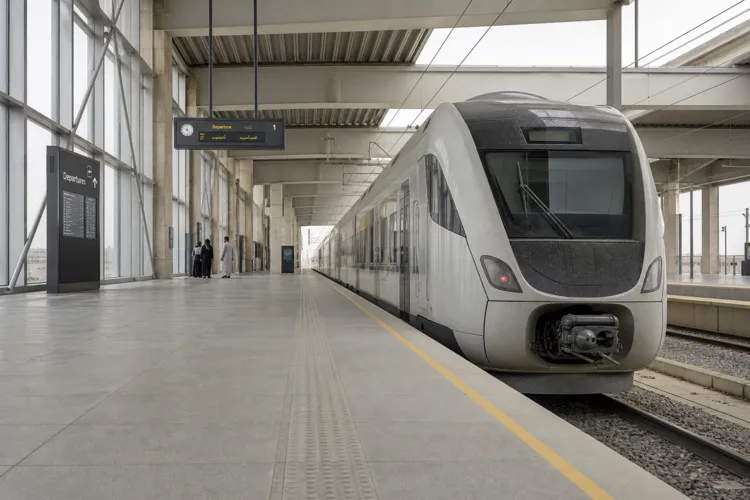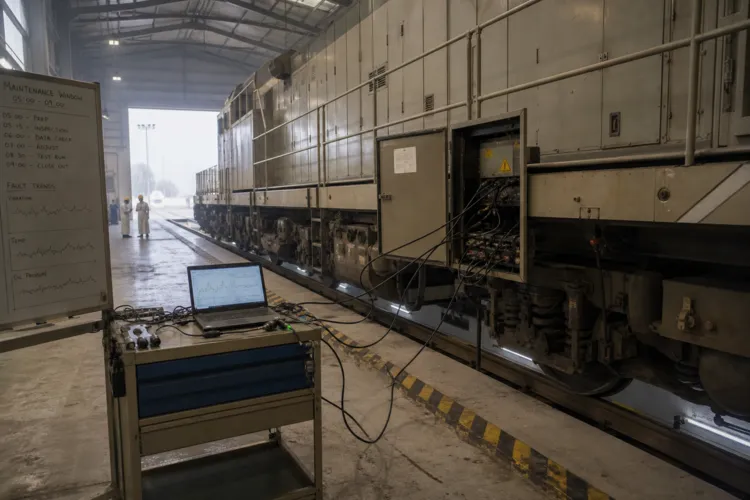
Saudi Arabia’s first electric vehicle brand is approaching a defining milestone. Ceer Motors is a joint venture between the Public Investment Fund (PIF) and Foxconn, established in November 2022, and positioned as an original equipment manufacturer designing and manufacturing electric sedans and sports utility vehicles. The company is set up around a large industrial footprint in King Abdullah Economic City (KAEC), with commercial production scheduled to commence in the fourth quarter of 2026 and first-vehicle deliveries scheduled before year-end 2026. In that context, the Ceer EV model launch 2026 story is less about a single unveil and more about whether manufacturing, suppliers, and market readiness converge on schedule.
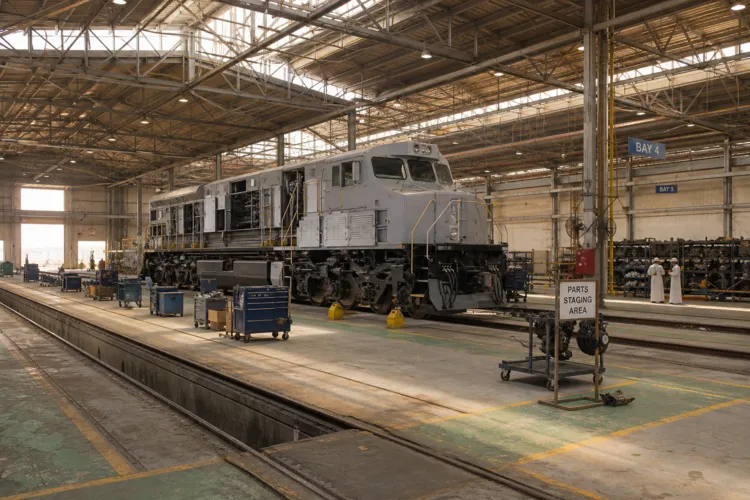
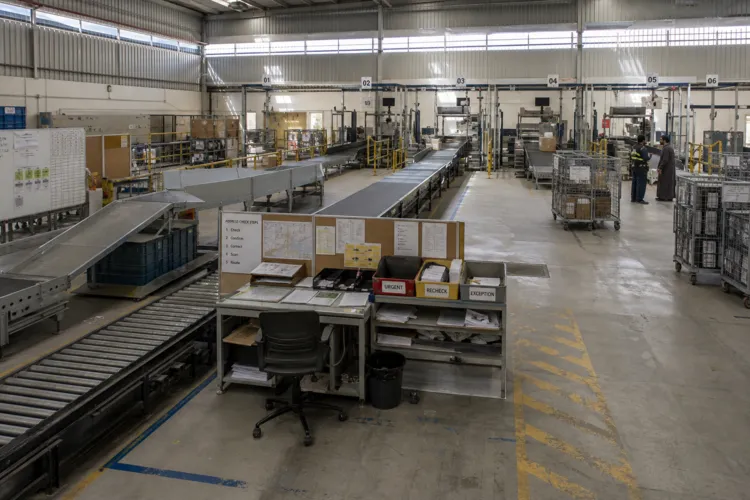
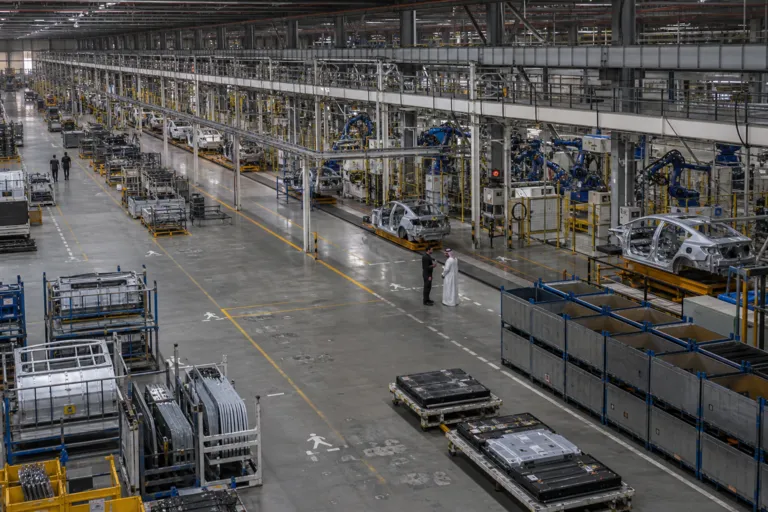
Ceer’s manufacturing plan is tied to the Ceer Manufacturing Complex in KAEC, described as a $1.3 billion project. Multiple sources describe a site spanning more than 1 million square metres, including 530,000 square metres under roof, with core shops for press, body, paint, and general assembly, plus a vehicle test track. At full capacity, the plant is designed for a 38-vehicle-per-hour cadence and an annual production ceiling of 240,000 vehicles. One source adds that the paint shop is installed in collaboration with Germany’s Dürr. These figures frame the scale of Ceer’s production ambition rather than a boutique launch.
Order Books, Local Content, and What’s Still Unpriced
On the “order book” side of the equation, what is clearly documented is supplier contracting rather than retail customer reservations. By February 2026, Ceer had signed 16 commercial agreements worth more than SAR 3.7 billion at the fourth PIF Private Sector Forum, building on SAR 5.5 billion of agreements announced at the previous forum. Ceer’s own announcement links these deals to a localization strategy targeting 45% of vehicle materials and components sourced from Saudi companies by 2034, and to a planned lineup of seven models over the five years from production commencement. Another report states that by February 2026, supply chain agreements were worth more than SAR 9.2 billion, underscoring that different tallies are being reported across sources.
For buyers, the near-term product message is straightforward: two first models are planned at launch, one sedan and one SUV, with trial production planned for mid-2026 and commercial production in Q4 2026. What is not laid out in the cited reporting is equally important for pricing expectations and confidence. One source notes that Ceer has not explained the ownership split, which party holds which governance roles, or whether other investors or deal structures have been locked in ahead of the 2026 launch. Across the supplied sources, there is no confirmed pricing for the first models, so any “pricing” discussion remains about what has not yet been disclosed, not about sticker figures.
The broader economic thesis behind Ceer is quantified in targets that go beyond the first deliveries. One analysis says the project is expected to contribute approximately $8 billion to Saudi GDP by 2034 while creating 30,000 direct and indirect jobs, with an 80% Saudi national workforce composition target. Another source similarly cites 30,000 direct and indirect jobs and specifies about 6,500 direct roles, with around 80% allocated to Saudi nationals. Ceer’s positioning also sits inside a wider Vision 2030 framing that includes a target of 500,000 electric vehicles produced annually in Saudi Arabia by 2030 for domestic consumption and export. For Ceer, the 2026 launch is the first checkpoint in that longer industrial timeline.
When will Ceer start production and deliver its first vehicles?
What models will debut in Ceer’s 2026 launch lineup?
What is the factory capacity behind the Ceer EV model launch in 2026?
How large are Ceer’s documented supplier agreements ahead of the launch?
Has Ceer disclosed pricing for its first EVs?