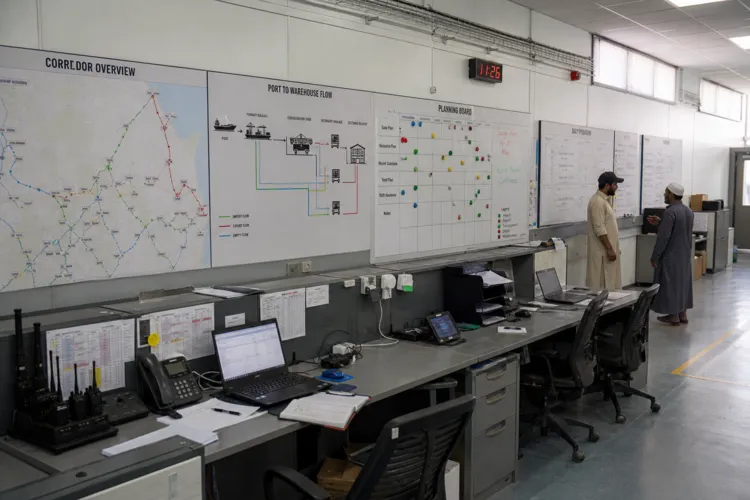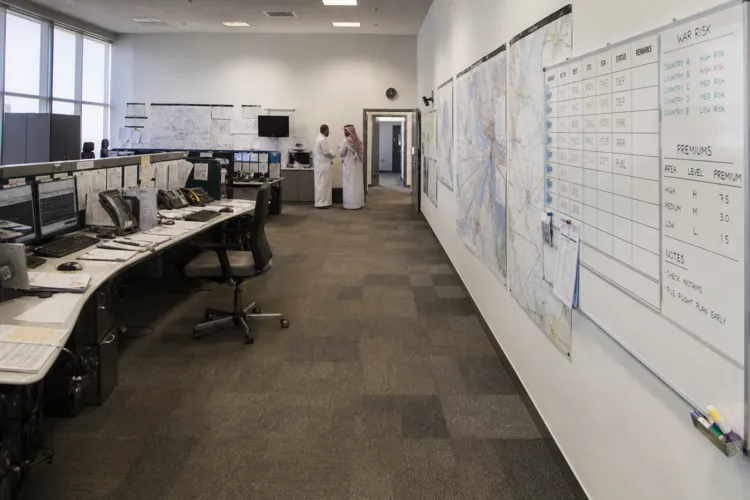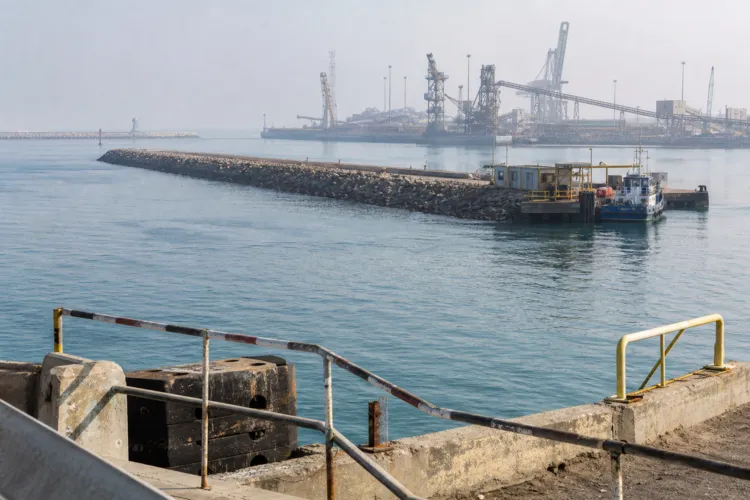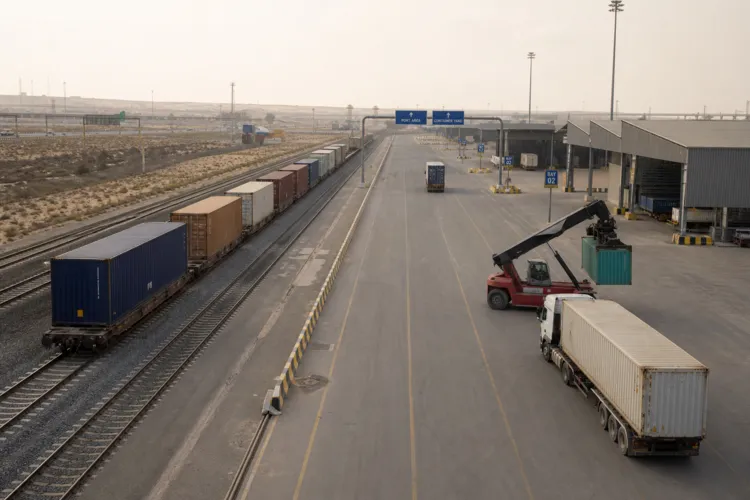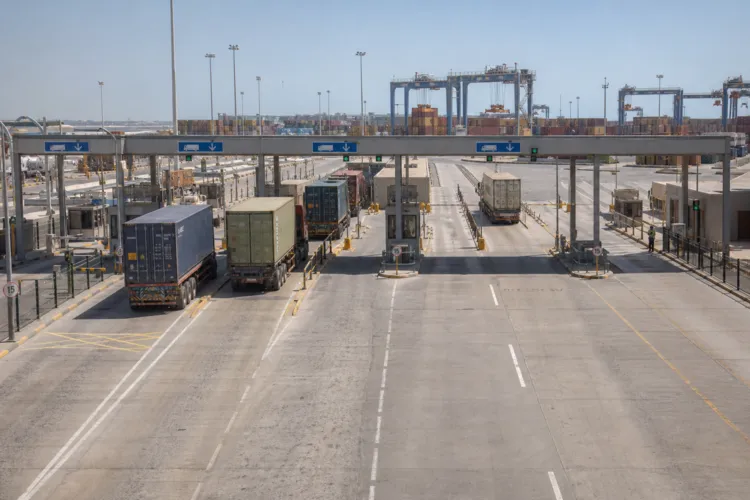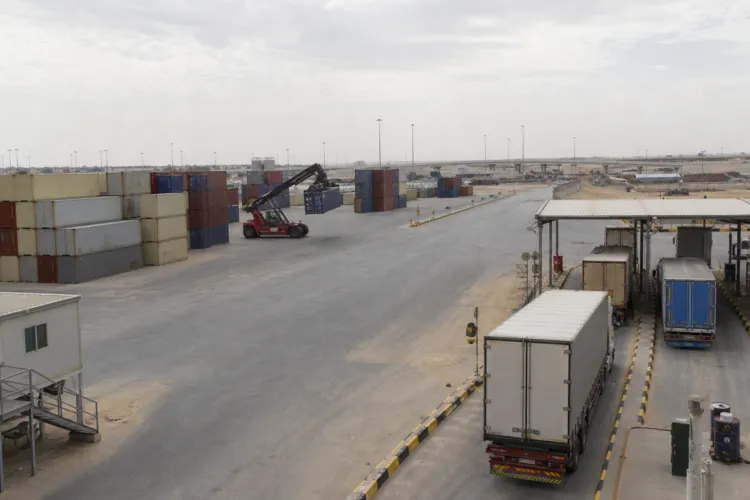
In March 2026, Saudia Cargo, the Saudi Ports Authority (Mawani), and the Zakat, Tax and Customs Authority (ZATCA) launched a sea-to-air logistics corridor through Saudi Arabia’s western ports, with activation beginning at Jeddah Islamic Port. The operating concept is to land ocean cargo at a Red Sea gateway and transfer it into air freight for onward distribution across the region and into Africa and Europe. This is not positioned as a geography-only shortcut. It is built around customs integration, so cargo can move between the seaport and airport quickly, with the first routes already active from Jeddah Islamic Port.
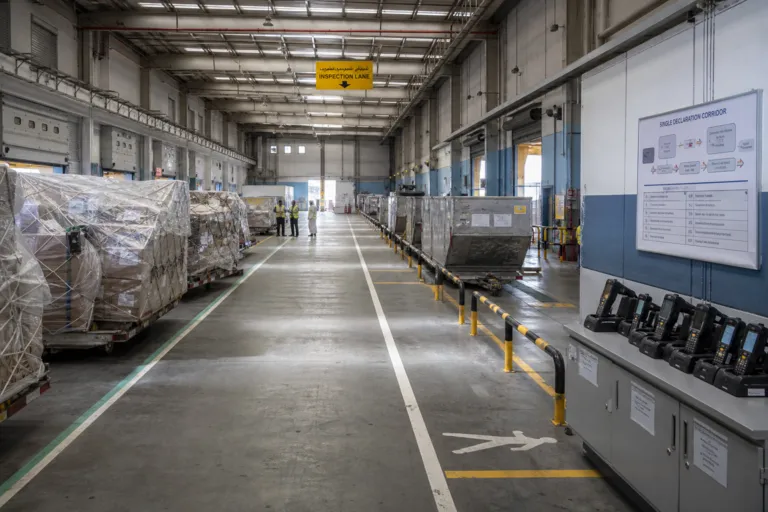
The core mechanism is documentation and control. ZATCA links maritime and air gateways through an integrated transit framework that lets cargo move under a single customs declaration, rather than two separate clearances. The same framework is supported by pre-clearance and smart inspection controls, which the participating organisations say enables containers to move from port berths to airport runways within significantly reduced timeframes. Saudia Cargo then feeds the shipments into its network, described as reaching roughly 100 airport destinations, creating a sea-plus-air option aimed at balancing cost and speed for time-sensitive flows.
Why Jeddah Matters in the Red Sea Shift
The corridor sits inside a broader push to strengthen Saudi Arabia’s role as a logistics hub and a practical response to changing routing preferences in the Gulf. One driver described in industry coverage is uncertainty around the Strait of Hormuz, which has encouraged cargo owners to hunt for alternatives that do not depend on a single chokepoint. In that context, the Red Sea coast becomes a hedge, and Jeddah is treated as the focal gateway. Jeddah Islamic Port handled just over 3 million TEU in 2024 and is described as carrying capacity above 10 million TEU, while King Abdullah Port adds another 5 million TEU of capacity.
Operationally, Mawani has also stood up feeder services to support Red Sea connectivity. One example cited is the Red Sea Express, linking Jeddah and Yanbu with Egypt’s Ain Sokhna and Jordan’s Aqaba. At the national system level, Mawani’s ports are described as handling more than 8 million TEUs of containerised cargo in 2025, underscoring why the ports authority is central to a multimodal play. For shippers, the corridor’s appeal is strongest for high-value and time-sensitive categories repeatedly named across reports, including pharmaceuticals, healthcare products, electronics, perishables, and express shipments.
The sea-air model is also framed as part of Saudi Arabia’s National Transport and Logistics Strategy, launched in June 2021 under Vision 2030, with about USD 133 billion of planned investment and an stated aim of becoming a top-ten global logistics hub connecting three continents. Separate market coverage also points to broader logistics momentum, citing USD 74.6B investment and reporting that national warehouse occupancy reached approximately 97–98% by H1 2025 across key logistics centers including Riyadh, Jeddah, and Dammam. In the same coverage, industrial lease rates are described as increasing about 16% year-on-year in Riyadh, with Jeddah and Dammam recording rental growth of 8% and 9% respectively, illustrating the capacity pressure behind faster, more integrated gateways such as the Saudi sea-air logistics corridor Jeddah shippers are now evaluating.
What is the sea-to-air logistics corridor through Jeddah?
How does the single-declaration process work?
Why are shippers reconsidering Red Sea routings now?
What port capacity and throughput figures are cited for Jeddah and Mawani?
Which cargo types are highlighted for this corridor?