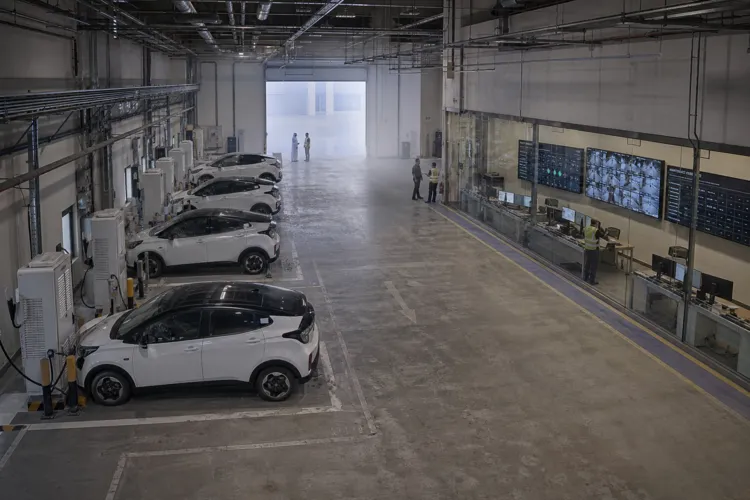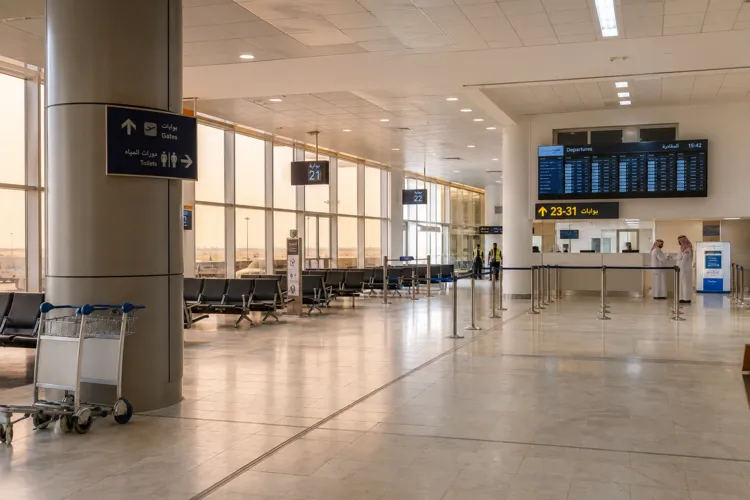
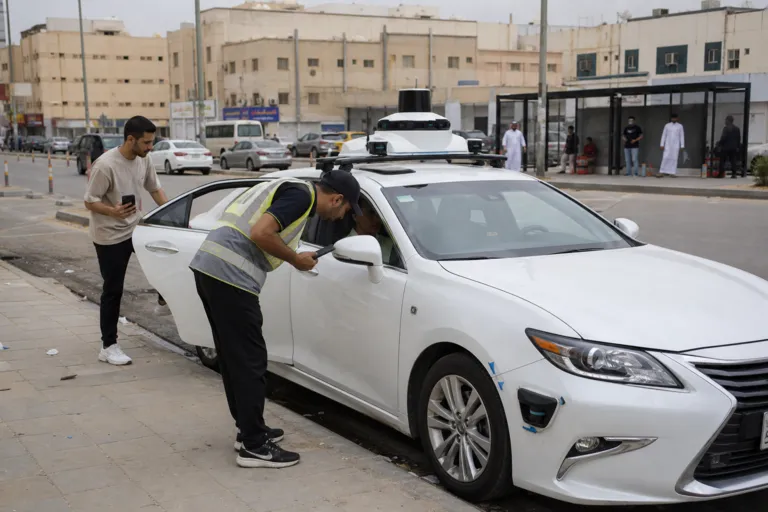
The Saudi autonomous robotaxi story is no longer just a future promise. Different companies are now testing, launching, and scaling services across the Gulf. In Saudi Arabia, WeRide has announced a fully driverless robotaxi service launch in NEOM. It also runs robotaxi rides on Uber in Riyadh with an operator on board, a first for Saudi Arabia in October 2025. At the same time, U.S. and Chinese firms are fighting for leadership in what many see as the next big transport platform.
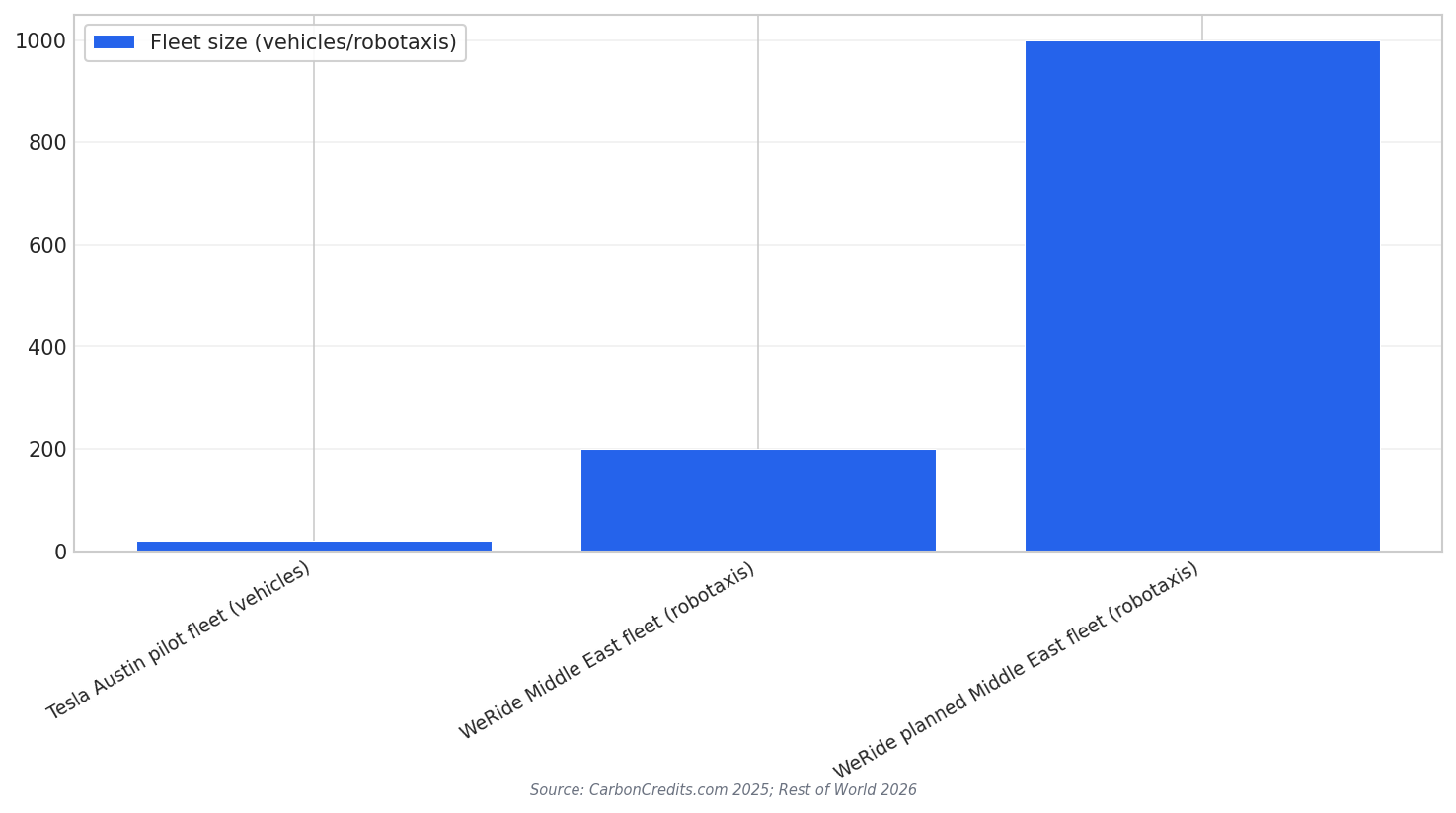
The numbers in this race show how fast things are moving. Tesla started an invitation-only robotaxi pilot in Austin in June with roughly 10–20 Model Y vehicles. WeRide’s Middle East fleet now comprises more than 200 robotaxis, and it has plans to reach as many as 1,000 by the end of the year, according to its regional general manager. Saudi Arabia is one key place where these strategies meet real roads and real riders.
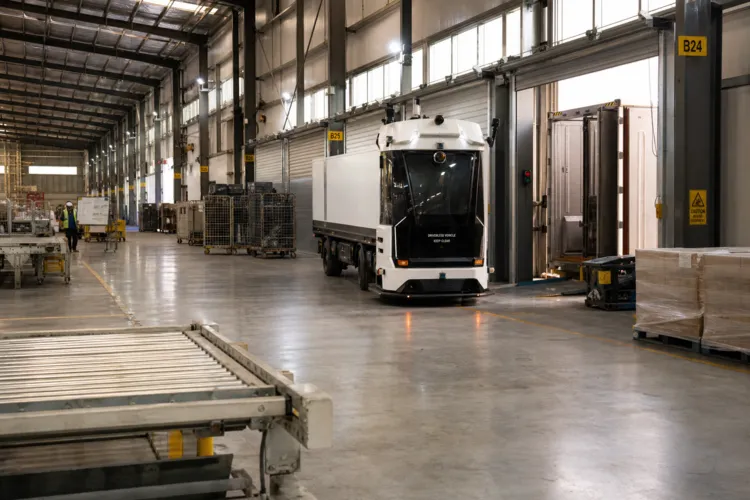
In NEOM, WeRide said it is launching a fully driverless robotaxi service, described as a first for the region. The service uses electric vehicles with advanced sensors and AI systems. The company said the system targets Level 4 autonomy, meaning the car can operate without a human driver in most conditions. NEOM is supported by the Saudi government and is part of the kingdom’s Vision 2030 plan.
Why Saudi Arabia and the Gulf Matter in the Robotaxi Race
Saudi Arabia is not the only Gulf market pushing robotaxis, but it is one of the most watched. WeRide and Uber debuted robotaxi rides with a safety operator on board in Riyadh in October. In the UAE, WeRide operates fully driverless robotaxi services in Abu Dhabi, described as the Middle East’s first. It also began fully driverless commercial operations through TXAI on Yas Island in November 2025, becoming the first Level 4 autonomous service available on Uber outside the U.S.
Chinese companies are also expanding their influence through deals and partnerships. In October 2025, WeRide secured an exclusive partnership with Ras Al Khaimah as its sole autonomous-vehicle technology provider, with plans to build its transport system around driverless cars. Other Chinese players named in the Gulf push include Baidu’s Apollo Go and Pony.ai. Saudi Arabia’s NEOM project invested $100 million in Pony AI in 2023, showing how the region is backing multiple contenders.
Tesla is taking a different path, starting with a controlled pilot in the U.S. Tesla began offering rides in Austin in June in a geofenced area in South Austin, with safety monitors riding along without vehicle controls. Early rides were priced around $4.20 each. Tesla says it intends to expand robotaxi service to San Francisco and other cities later in 2025, and Elon Musk confirmed a “Cybercab” robotaxi vehicle is planned for 2026 and could cost under $30,000. For Saudi watchers, the key question is which approach scales better, faster, and more safely.
What is a Saudi autonomous robotaxi, based on current launches?
Where in Saudi Arabia are robotaxis operating or launching?
How big are the robotaxi fleets mentioned in the sources?
How much did early Tesla robotaxi rides cost in Austin?
What role does Pony.ai play in the Gulf robotaxi push?