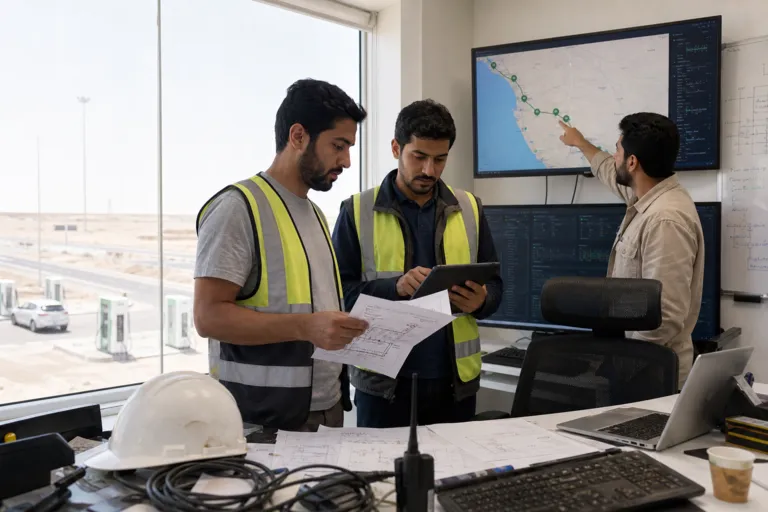
Saudi Arabia is pushing EV adoption while its geography and climate complicate charging. A CNN report notes that EV batteries can struggle with the temperatures typical of a Saudi summer, and that the extra energy used for cooling can significantly affect charging speed and range. It also points to the scale of the country—just over a fifth of the size of the US—and says the distance between its two largest cities is more than 950 kilometers (almost 600 miles), which is longer than the average range of most EVs. In that context, the “Saudi EV charger interoperability standard” becomes more than a technical preference. It affects uptime expectations, network confidence, and the ability to serve long-distance trips.
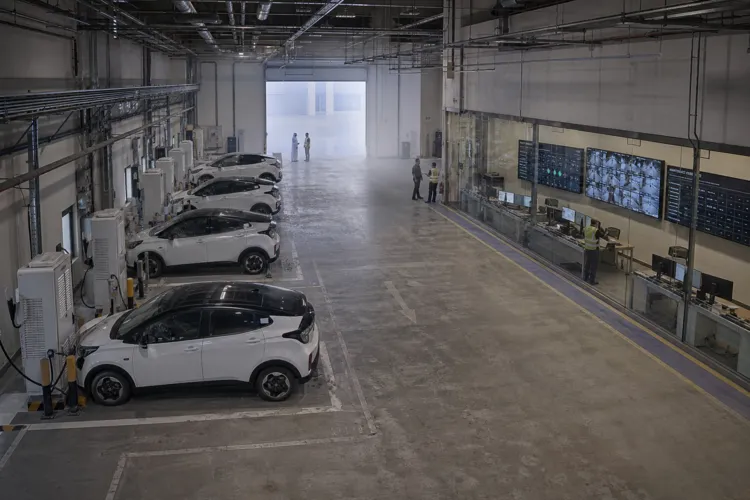
For operators, interoperability is tightly connected to procurement and rollout pace. CleanTechnica reports that the PIF-backed Electric Vehicle Infrastructure Company (EVIQ)—a joint venture between the sovereign wealth fund and the Saudi Electricity Company—is targeting 5,000 fast chargers across 1,000 locations by the end of the decade. It also says Lucid has installed 100 free EV chargers in Saudi Arabia. When networks scale quickly and include “free” public units alongside commercial sites, operators have to manage different user journeys and back-office needs. Interoperability expectations aligned with IEC-style approaches can reduce friction across vehicles and sites, but they also force earlier design decisions on hardware, firmware, and security.
IEC-Style Protocol Direction Raises the Bar on Compliance
A UK-focused guide summarized by Fleet News shows why “retrofit later” can be costly for charging businesses. It highlights wider adoption of ISO 15118 (“Plug and Charge”), which enables certificate-based authentication and secure communication between charger and vehicle. It also points to migration to Open Charge Point Protocol (OCPP) 2.0.1 and 2.1, which is expected to raise requirements around cybersecurity, smart charging functionality, and interoperability with back-office systems. While the source is about the UK, the lesson translates directly for Saudi operators working under SASO and IEC expectations: compliance decisions get locked in during the development cycle. If an operator buys non-aligned equipment, it can face higher disruption later when trying to harmonize fleet authentication, security updates, and central management.
Investors should connect interoperability to macro drivers and policy support. CNN states oil accounted for 60% of Saudi government revenue in 2024, and that crude oil and natural gas accounted for more than 20% of the country’s GDP over the same period. That backdrop helps explain why infrastructure credibility matters: if EVs are to expand beyond early adopters, charging has to feel dependable across brands, routes, and operators. A May 2024 survey cited by CNN concluded that large-scale EV uptake in Riyadh would likely require financial incentives such as VAT exemption for new vehicles, subsidized charging, and free installation of home chargers, at least in early stages of deployment. Interoperability reduces operational risk, but incentives and consumer adoption conditions influence utilization and revenue stability.
Operationally, charging projects also fail or slow down because of process complexity, not only technology. CleanTechnica notes that for smaller charging customers, the electric service connection process can be confusing, time-consuming, and costly, and that one misstep can result in months-long delays and budget overruns. It also says project costs can become unpredictable due to trenching or civil construction work, panel upgrades, new transformers, and permitting and easement approvals. For investors assessing Saudi charging portfolios, SASO/IEC-aligned interoperability should be seen as one layer of bankability. The other layer is execution: grid connection timelines, construction risk, and the operator’s ability to run a secure, integrated back office as protocols evolve.
What is the Saudi EV charger interoperability standard?
Why does interoperability matter more in Saudi Arabia’s context?
What scale of charger rollout is planned in Saudi Arabia?
What is the risk of planning to “retrofit compliance later”?
What non-technical factors can still delay charging projects?