Saudi Arabia is treating transport as a visitor-facing product, not just a utility. A clear signal is how taxis and ride-hailing apps are being used to bridge gaps across urban mobility networks, alongside buses and other modes. In 2025, Saudi Arabia’s public transport sector recorded 420.6m passengers, up 129% from 183.3m in 2019. Momentum continued into 2026, with the first quarter recording a further 20% rise in users versus the same period a year earlier. This scale-up creates room for destination mobility upgrades that tourists and residents can feel in real time.
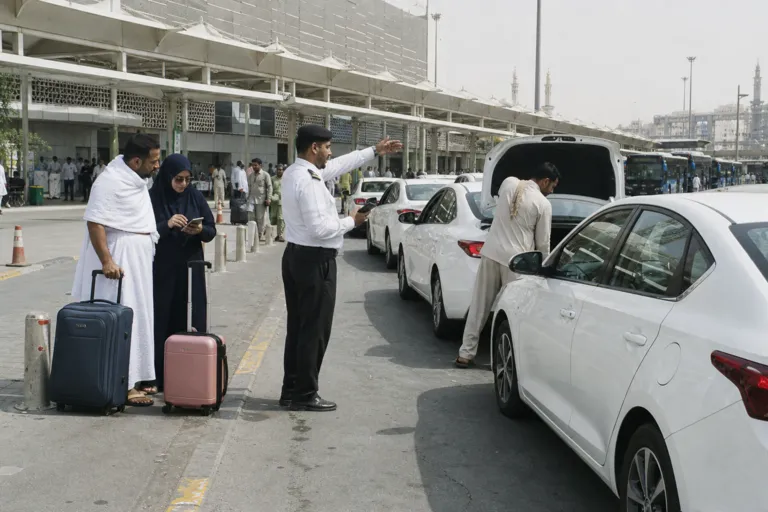
Makkah’s taxi changes show how contract design can target high-intensity visitor flows. Arabian Business reports the activation of specialised taxi contracts in Makkah, with vehicles equipped with real-time translation, tracking systems, and enhanced accessibility for people with disabilities. That package points to a service built for visitors who need help with language, routing confidence, and inclusive access. It also fits a broader travel pattern described in early 2026, with millions of residents traveling across key destinations such as Makkah, Madinah, and Jeddah. In the first quarter of 2026, Saudi Arabia recorded about 28.9m domestic tourist trips, a 16% year-on-year increase, pushing mobility systems to perform during busy travel windows.
Why AlUla Is Branding Taxis as Part of the Destination
AlUla is taking a different but complementary path: turning everyday transport into part of the visitor experience. Authorities introduced a distinct visual identity for taxis aligned with AlUla’s cultural character, positioning transport as a component of the destination itself. The mobility focus lands as AlUla targets more tourism growth. AGBI reports AlUla saw 286,000 visitors in 2024 and is aiming for 1.2 million annual visitors by 2030, while expecting a record year for visits in 2026 after an international marketing campaign targeting overseas travellers who typically stay longer and generate more yield. In this context, consistent taxi presentation and service standards can reinforce the “place” visitors came to see, not distract from it.
Behind these front-of-house changes sits a tech and compliance layer that is expanding across fleets. A fleet-management market overview citing IMARC data says Saudi Arabia’s fleet management market size reached USD 281.8 million in 2025, with IMARC expecting it to reach USD 601.3 million by 2034, at a CAGR of 8.79% during 2026–2034. The same source states the government has committed SAR 1.5 billion to smart transportation initiatives, with mandatory vehicle tracking being rolled out across public transport networks. For destination taxi operations, capabilities like tracking align directly with the Makkah contract features already being activated and can support reliable trip monitoring as networks scale.
For the 2026 tourism push, the most practical takeaway is that the “Saudi destination taxi tourism mobility” story is not only about adding vehicles; it is about integrating modes, tightening standards, and digitising journeys end-to-end. City bus services now operate in 17 cities and governorates, up from four in 2019, supporting connectivity and reliability while taxis and ride-hailing play a growing role in the ecosystem. Travel demand is also colliding with hospitality peaks: Travel And Tour World reported national occupancy averaging around 57.3%, with Ramadan 2026 seeing near 100% occupancy in major luxury properties in Makkah. As travel planning becomes more digital, OpenPR reports examples like Safa Soft launching YUUSR.COM in March 2026, cutting processing time by around 40% and handling 60% of pilgrim queries through chatbots, while a separate January 2026 debut of the Saudi Gram platform was described as boosting in-app booking-session duration by around 30%.
What is changing in Makkah’s taxi services under specialised contracts?
How are AlUla taxis being adapted for tourism?
What public transport usage figures show Saudi Arabia’s mobility scale-up?
How does domestic travel growth connect to destination taxi tourism mobility in Saudi Arabia?
What numbers point to growing investment in fleet technology that can support taxis?