
Saudi Arabia is building a smarter road system. More vehicles now depend on software, telematics, and over-the-air updates. This shift supports Vision 2030 goals and new mobility projects. But it also creates new cyber entry points. That is why connected vehicle cybersecurity Saudi is becoming a daily safety issue, not just an IT topic.
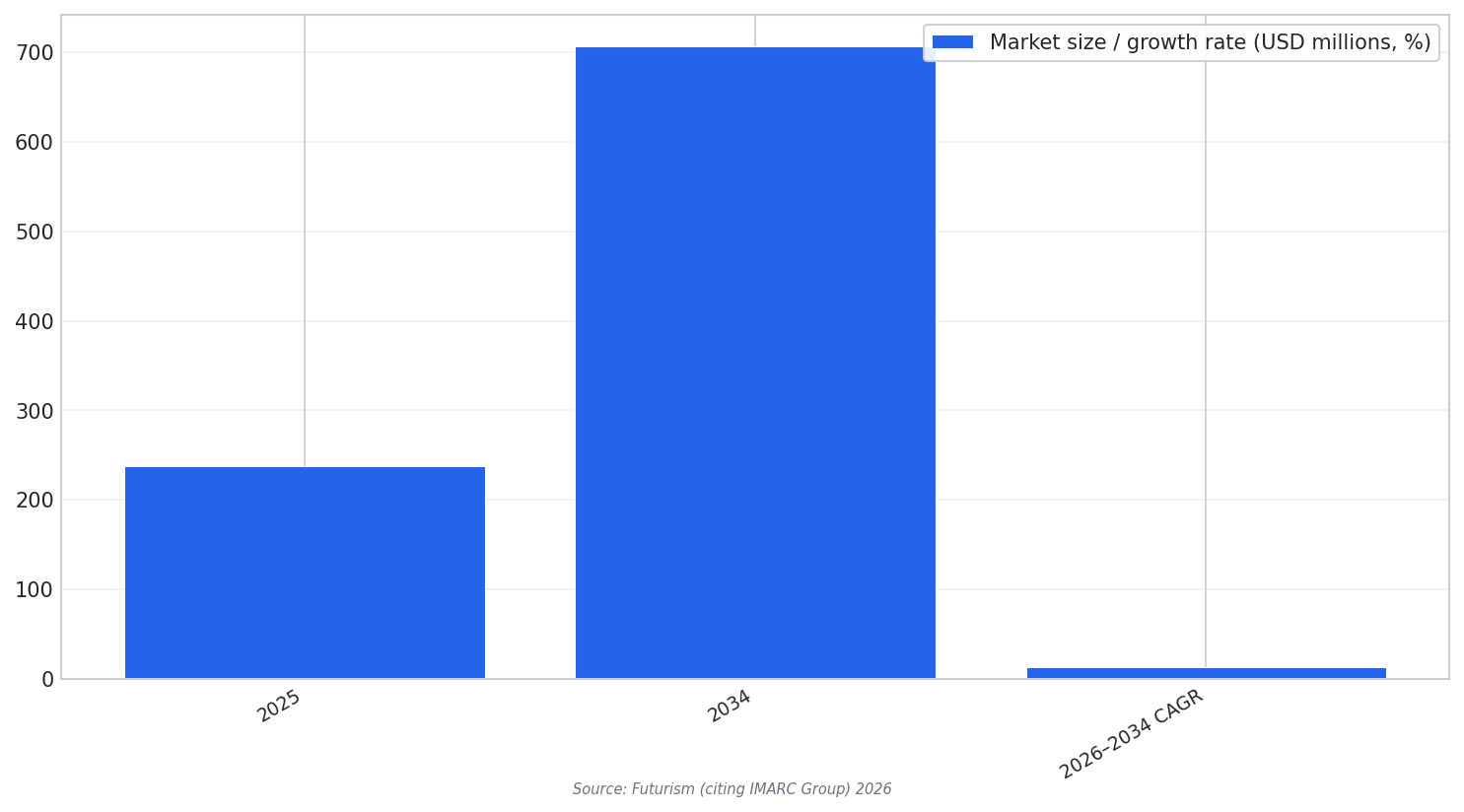
Market signals show how fast software is growing in the vehicle stack. IMARC Group data cited by Futurism reports the Saudi Arabia automotive software market size reached USD 237.6 million in 2025. It is expected to reach USD 706.8 million by 2034, with a CAGR of 12.88% during 2026–2034. This larger software footprint increases the need to secure code, updates, and data flows across the vehicle lifecycle.
Connected vehicles rely on multiple connection points. SAAB RDS describes vehicle-to-vehicle (V2V) communication, cloud integration, and infotainment systems as part of the connected ecosystem. Each connection can be an entryway for cybercriminals. The same source notes that researchers have demonstrated attackers could compromise a car’s braking system or disable steering via unsecured wireless networks. These examples show why cyber risk can become a physical safety risk.
Where Saudi’s Smart Mobility Meets Real Cyber Risk
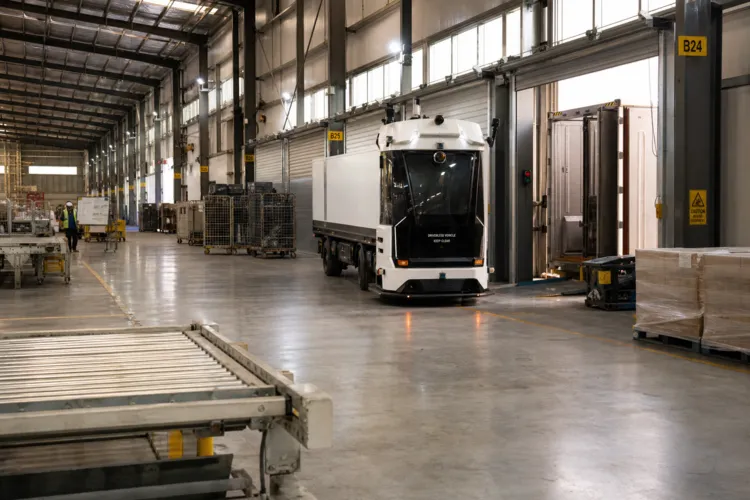
Saudi regulators are also moving step by step with pilots. Mondaq reports that in July 2025 the Kingdom launched its first autonomous robotaxi pilot in Riyadh, backed by the Transport General Authority (TGA) and multiple agencies including the Ministry of Interior, MCIT, SDAIA, GEOSA, and SASO. The trial ran for 12 months and included live tracking and a safety officer onboard each vehicle. Oversight like this matters because it limits risk while systems learn in real roads.
Connectivity is rising in parallel with compliance work. IndexBox notes that 5G-enabled telematics control units are expected to represent over 40% of new OEM shipments in Saudi Arabia by 2028, driven by demand for low-latency V2X and OTA update capabilities. The same source highlights cybersecurity compliance under UN R155 and software update management under UN R156 as major validation burdens, especially for exported or locally manufactured vehicles.
Security also has a cost and planning impact. IndexBox estimates cybersecurity compliance testing under UN R155 adds engineering costs of USD 1–3 million per vehicle platform. It also states that system integration and engineering services for custom connectivity solutions range from USD 50,000–300,000 per project, depending on complexity and validation. These figures show why organizations need security-by-design, not last-minute patching.
Why is connected vehicle cybersecurity Saudi becoming urgent?
What standards are driving connected-vehicle security compliance in Saudi Arabia?
How is Saudi Arabia testing autonomous mobility safely on public roads?
How much can UN R155 cybersecurity testing add to a vehicle platform?
How fast is in-vehicle connectivity shifting toward 5G in Saudi Arabia?