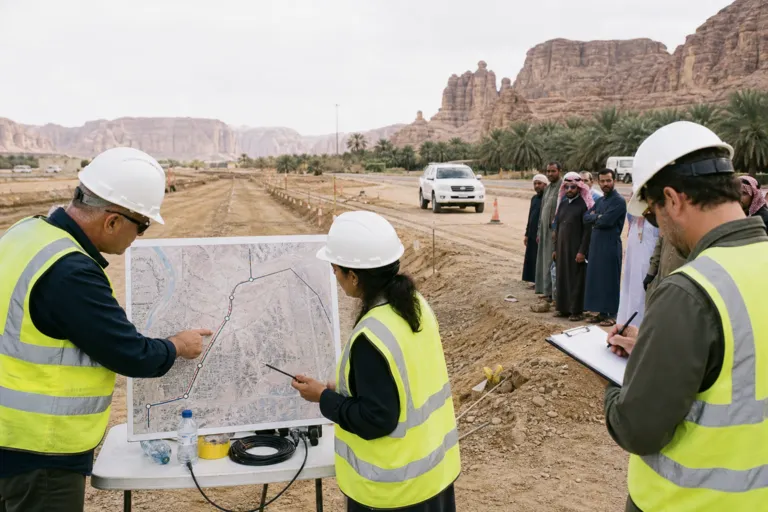
The AlUla tram is described as a 22.4km catenary-free system, and it has put the conversation about heritage mobility into a sharper focus. The framing is clear: the goal is to move people while respecting place. In that context, the role of Alstom stands out because the company positions itself around “innovative and sustainable transportation solutions that people enjoy riding.” The sources provided do not include detailed technical specifications for the AlUla tram vehicles or stations, but they do provide enough corporate and market context to explain why an Alstom-branded tram, such as a Citadis offering, fits a heritage-first mobility narrative.
Alstom describes its portfolio as covering “high-speed trains, metros, monorails, trams,” along with turnkey systems, services, infrastructure, signalling, and digital mobility. That breadth matters for a heritage environment because the mobility challenge is not only rolling stock. It also includes how the system is delivered, operated, and maintained as a complete experience. Alstom also states it is present in 63 countries, with a talent base of over 86,000 people from 184 nationalities. For a flagship project promoted by a Royal Commission, that type of global footprint and organizational capacity can be part of the partnership logic, even when project-level details are not disclosed in the sources.
Why “Catenary-Free” Is Central to the Story
The phrase “catenary-free” carries strong implications for how mobility can be introduced into sensitive landscapes, even when the sources do not spell out the engineering approach for AlUla. It signals an intent to avoid overhead line infrastructure in areas where visual impact is a concern. This also connects to a broader theme in rail: environments where classic electrification via catenary can be described as complex, expensive, or unfeasible in certain contexts, as one source notes in a different application. The AlUla tram’s headline number, 22.4km, becomes more than a distance figure; it becomes a statement about how far a heritage location can go in adopting modern transit while aiming to keep the setting visually coherent.
Digital capabilities and accessibility are another recurring thread in Alstom communications. In a separate train program described in the sources, Alstom highlights “high standards of sustainability, accessibility and passenger comfort,” plus digital features intended to improve energy efficiency, maintainability, and passenger information. The features listed include step-free access, a level floor throughout the trainset, Wi‑Fi, and dedicated spaces for wheelchairs and bicycles. This is not presented as AlUla-specific in the sources, but it shows how Alstom communicates priorities that align with public-facing heritage mobility: inclusive boarding, clear information, and a comfortable ride that supports tourism and daily movement without turning transit into an afterthought.
Scale, delivery, and accountability also shape how heritage mobility partnerships are perceived. In the sources, Alstom reports sales of €18.5 billion for the fiscal year ending on 31 March 2025. The company also references experience in commuter rail, citing more than 45,000 rail cars sold in over 60 commuter systems in over 15 countries, enabling over 20 million passenger travels every day on Adessia commuter trains. Those figures are not about trams in AlUla, but they indicate a supplier that wants to be judged on operational reach and repeatable delivery. For AlUla’s Royal Commission-led vision, that kind of narrative can reinforce confidence that heritage-sensitive transport can be executed at a high standard.
Placed in the wider regional moment, high-visibility rail plans keep multiplying, from Etihad Rail’s 1,200km network (completed February 2023, with passenger services planned for 2027) to a proposed 785 km electric high-speed rail link between Riyadh and Doha by 2031. That context helps explain why a shorter, place-specific system like the 22.4km AlUla tram can still be strategically important. It can serve as a symbol project: a proof point that modern rail can be designed to suit tourism, cultural stewardship, and the everyday movement expectations that come with destination growth. Within the limits of the provided sources, the AlUla tram story is best told as an approach to heritage mobility, anchored by the credibility of an established rail supplier and a Royal Commission mandate.
What is the length of the AlUla tram project?
Why is “catenary-free” important for heritage mobility?
What does Alstom say about its global footprint?
What does the keyword “AlUla tram Alstom Citadis” refer to in this article?
What accessibility and passenger features does Alstom highlight in the sources?