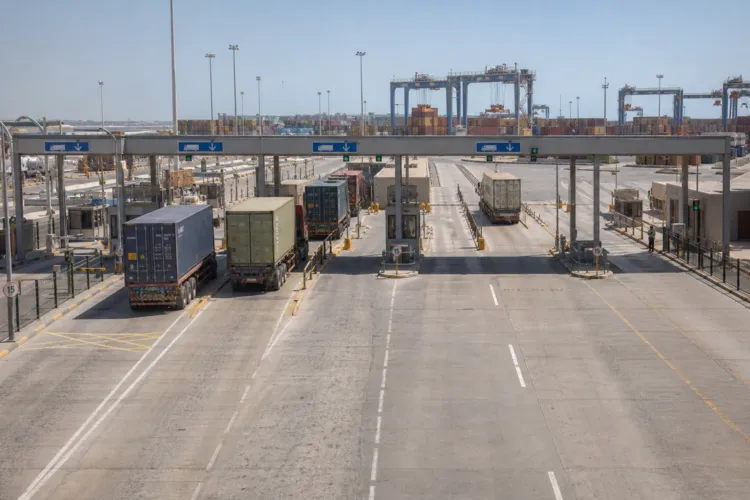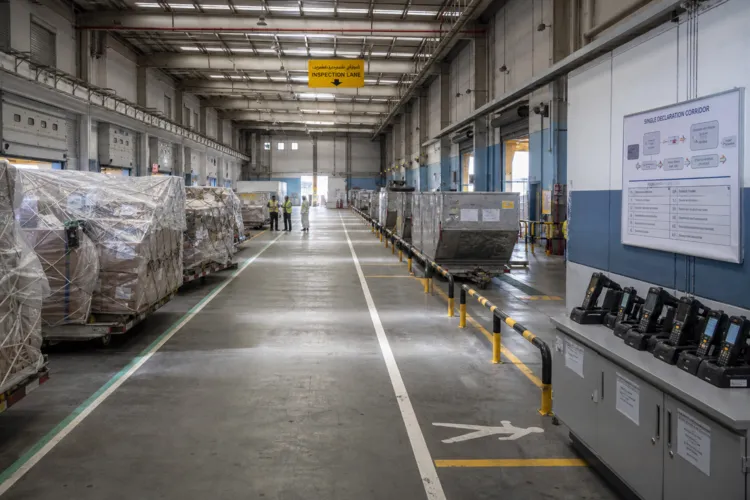

Saudi Arabia’s 5G highway market is set to surge from USD 145.33 million in 2024 to USD 3,240 million by 2033. That means a powerful 41.2% CAGR over the next decade. This growth is not just about faster mobile data. It is about turning highways into digital platforms. The shift toward 5G smart highways KSA is changing how infrastructure is designed, funded, and managed.
Before autonomous cars can launch at scale, the roads must “talk.” Vehicles need real-time data from traffic lights, guardrails, and sensors. Without that digital layer, autonomy cannot work safely. Saudi Arabia understands this. That is why massive tenders are now focused on embedding 5G sensors into highway guardrails and lighting systems.
This is not a future concept. It is happening now.
V2X Technology Is the Backbone of Intelligent Roads
5G-V2X (Vehicle-to-Everything) allows vehicles to communicate with surrounding infrastructure. Cars can “see” beyond corners. Traffic lights can send warnings. Guardrails can transmit hazard alerts. Everything is connected.
Saudi Arabia’s Communications, Space & Technology Commission (CST) has released a 5.9 GHz band roadmap dedicated to V2X. This positions the Kingdom as a leader in intelligent transport systems. Allocating spectrum is a critical step. Without it, there is no secure communication between vehicles and infrastructure.
5G-V2X improves road safety by enabling real-time data sharing. It reduces reaction times. It supports autonomous driving logic. And it allows traffic management systems to respond instantly.
The 5G core market in Saudi Arabia has already reached USD 150 million. This is driven by smart city applications and V2X traffic management systems. Cities like Riyadh and Jeddah are emerging as 5G hubs. Telecom operators are expanding low-latency networks to support EVs and IoT systems.
This is where telecom meets construction.
Telecom Operators Enter the Construction and Mobility Space
Projects like NEOM and Red Sea Project are accelerating V2X deployment. Over 75% of NEOM’s infrastructure will integrate 5G for real-time data handling. That includes transportation systems, smart grids, and urban mobility.
This means roads, utilities, and digital systems are designed together from the start.
Saudi Arabia also aims for 15% of public transport vehicles to operate autonomously by 2030. That goal cannot be reached without connected highways. Spectrum allocation and infrastructure deployment go hand in hand.
The result is clear: 5G smart highways KSA are becoming a core enabler of Vision 2030.
Telecom operators are no longer just service providers. They are infrastructure partners. They are involved in highway tenders. They support low-latency network deployment. They provide the digital backbone that allows roads to communicate with EVs.
As Saudi Arabia moves toward autonomy, the physical road is no longer enough. Guardrails now carry sensors. Streetlights host communication nodes. Data flows continuously between vehicles and infrastructure.
This also creates new contracting opportunities. Engineering firms must upgrade existing highways. Integrators must install roadside units. Data management systems must be built to handle real-time traffic signals.
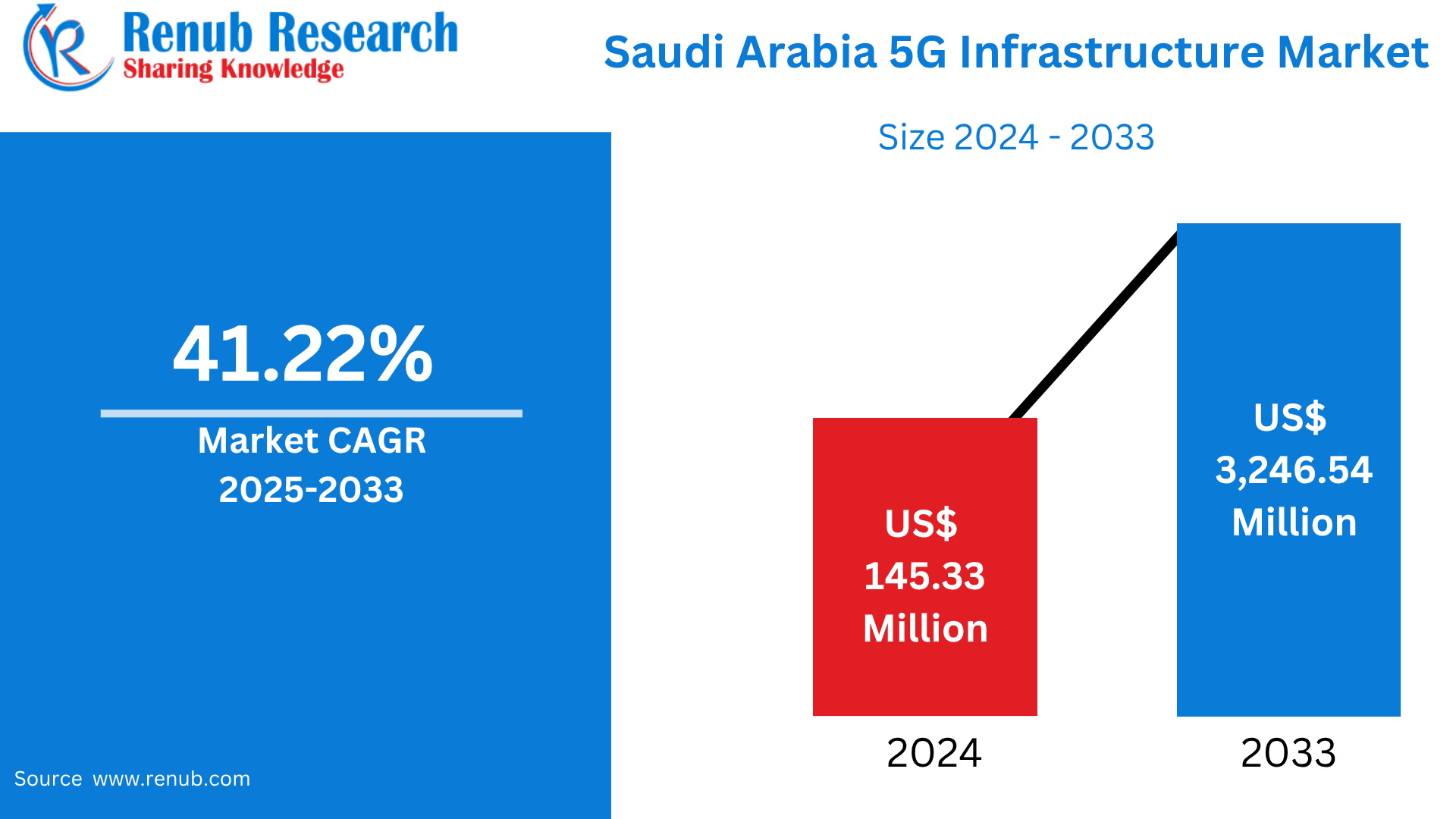
The growth trajectory supports this momentum. A market projected to jump from USD 145 million to USD 3.24 billion by 2033 signals structural change. It is not a pilot phase. It is national-scale deployment.
In simple terms, the Kingdom is preparing its roads before launching large-scale autonomous mobility.
Highways are being redesigned to “talk.”
And in the era of autonomy, silence is not an option.
Read more: How Flying Taxi Saudi Arabia Unleashes the Sky Commute