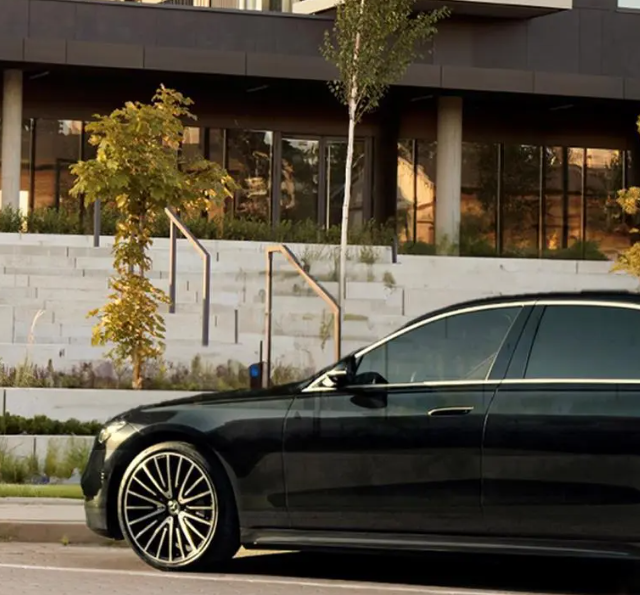

Robotaxi revenue skyrocketed 836.7% in Q2 2025, sending a bold message: autonomous taxi Riyadh and mobility are moving fast from concept to reality. This momentum grew after WeRide launched Saudi Arabia’s first Robotaxi pilot in July 2025, working with Uber to bring Level-4 autonomous cars into seven zones, including airport routes. The goal is clear: support Riyadh’s vision of reaching 15% autonomous transport adoption by 2030.

Riders Step In: From Watching to Using Autonomous Taxi Riyadh
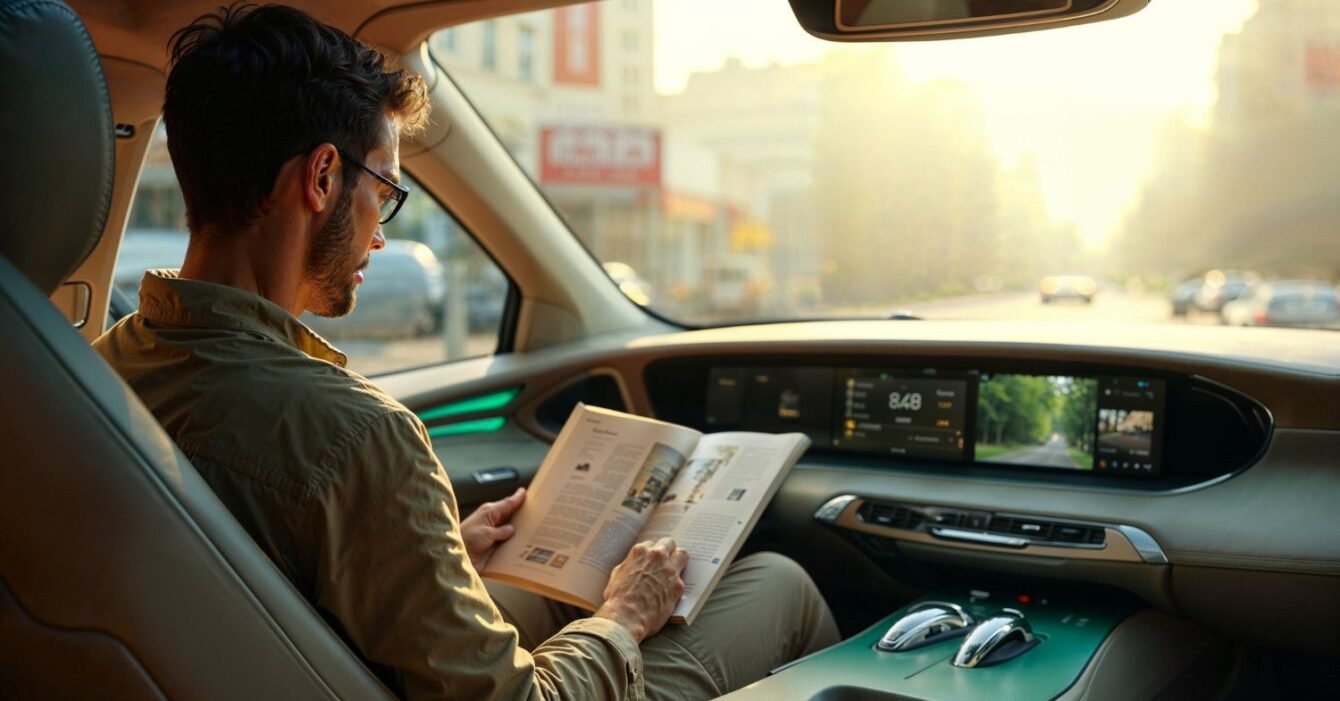
The rollout pushed residents from observers to actual passengers. Travelers could now request a robotaxi through the Uber app for normal trips, not staged events. The pilot includes airport-to-city routes and selected highways. Safety officers ride inside the vehicles for now, with long-term plans for unsupervised operations once approval grows. This shift marks a major psychological leap: Riyadh wants people to trust the system enough to use it daily.
Read Also: Robotaxis Launch in Riyadh’s Autonomous Mobility Push
First 6 Months of Autonomous Taxi Riyadh: Trust Fights Skepticism
Pilot data from July to December 2025 is limited, but early signals show a complex public reaction. Many riders express curiosity and excitement, especially when experiencing autonomous movement for the first time. Yet broader surveys indicate that 87% of drivers still feel unsure or fearful of self-driving cars. Social media polls mirror this tension, revealing mixed reactions to WeRide’s Uber-powered vehicles.
Regulators continue to highlight safety testing and controlled sandboxes to build confidence. For now, riders are torn between fascination and doubt.
Robotaxi Report Card: How WeRide and Uber Are Performing
Despite the emotional divide, performance numbers tell a strong story. WeRide’s Robotaxi revenue hit $6.4 million in Q2 2025, an 836.7% jump year-over-year. Vehicle usage is steady. Each car completes dozens of trips across 12-hour shifts, usually covering more than 6 km per ride. Saudi Arabia’s launch builds on the company’s success in Abu Dhabi, where the Uber fleet tripled and now reaches half the main service areas.
Micromobility Boom: Scooters Feed the Metro
While autonomous taxi Riyadh grabs headlines, scooters and e-bikes are quietly reshaping last-mile movement. Remat Al-Riyadh began Phase 1 of new micromobility zones, letting startups deploy across parks, corniches, compounds, and future hotspots like NEOM.
With Riyadh’s population expected to double to 15–20 million by 2030, scooters now link residents to expanding metro lines. This creates a layered mobility system — heavy rail for long trips, micromobility for quick ones, and autonomous cars filling the space in between.
EV Charging 2.0: EVIQ Pushes Interoperability
Saudi drivers are no longer just asking for more chargers. They want easier payments and better access. EVIQ is meeting that need with a shift toward unified digital services.
By the end of 2025, the company plans 60 charging stations across Riyadh, Jeddah, the Eastern Province, and major highways. Its app allows real-time station availability, reservations, and payments across networks — a major step toward national interoperability. By 2030, EVIQ targets 5,000 fast chargers and 1,000 hubs, supporting the growth of EV brands like Tesla and BYD.
Read Also: Electric Mobility Expansion: The Next Phase of Saudi Transport Modernization
The Road Ahead for Autonomous Taxi Riyadh
The story of the autonomous taxi Riyadh is one of progress mixed with public caution. Robotaxis work, scooters grow fast, and EV charging becomes smarter. Riyadh is building an ecosystem and not just a fleet. To navigate these shifts or explore strategic mobility insights, contact Eurogroup Consulting, a global firm ready to support transport innovation and long-term planning.