
The Saudi inter-city EV charging network is now the real test for electric vehicle adoption. City driving is no longer the main issue. Urban areas already have chargers, short trips, and predictable routes. The real barrier sits between cities, especially on the long Riyadh–Jeddah highway. This 950-kilometer stretch defines whether EVs can truly replace combustion vehicles in Saudi Arabia.
This shift has forced policymakers and infrastructure developers to rethink priorities. Instead of focusing only on cities, the attention has moved to highways, deserts, and long-distance reliability.
Saudi Inter-City EV Charging Network Executive Summary
For most drivers, range anxiety does not appear in cities. It appears when planning a long trip. The Riyadh–Jeddah highway represents this challenge clearly. It is long, exposed, and critical for business and travel.
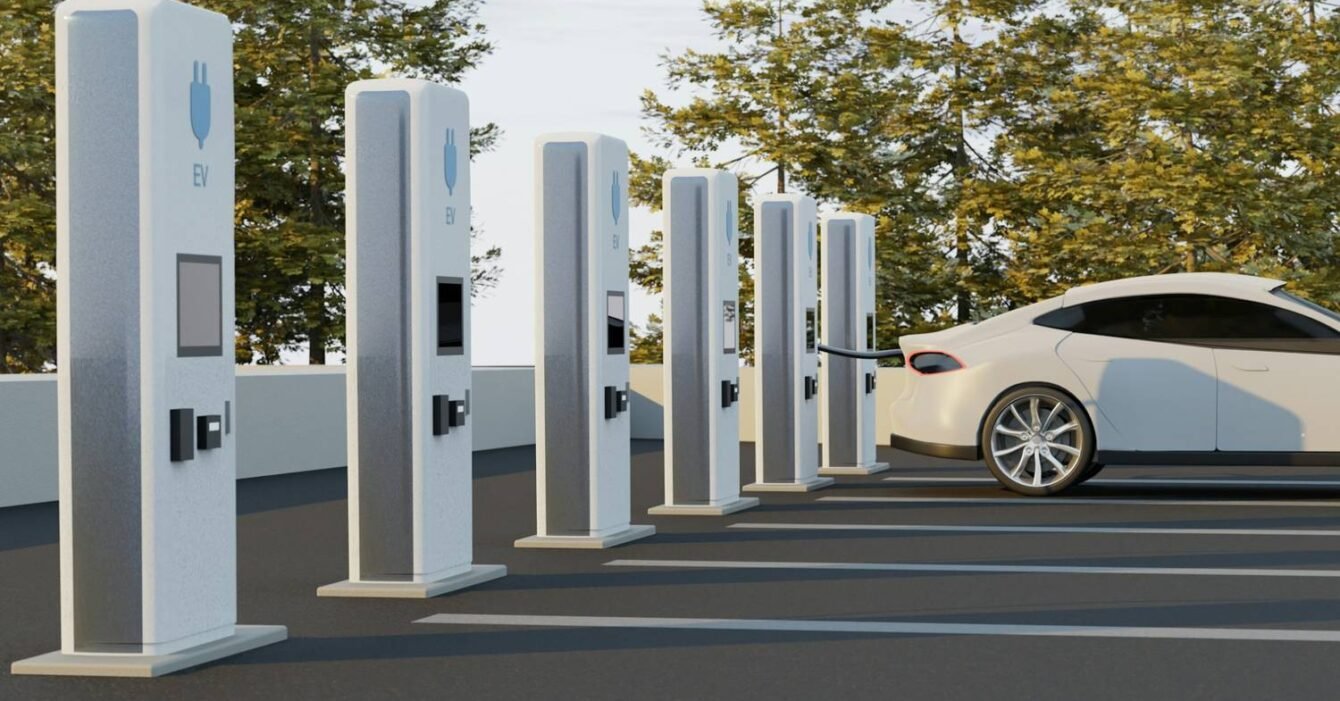
EVIQ’s 2026 rollout directly targets this gap. Ultra-fast chargers rated between 150 and 350 kW are planned along key highway stops such as Afif and Al Quwayiyah. These stations are designed to make long EV trips predictable and safe.
Read Also: Bold Moves Shaping Saudi EV Infrastructure 2025
At the same time, hydrogen trucks are entering pilot stages for freight. Projects like the DHL–Hyperview collaboration target a 450-kilometer range with 45-ton payloads. This approach separates passenger EV charging needs from heavy logistics, reducing pressure on the grid while supporting long-haul trade.
Saudi Inter-City EV Charging Network and the Decline of Range Anxiety
Range anxiety has dropped sharply in recent years. In 2022, 60% of consumers cited it as a major concern. Today, that figure is down to 25%. This change is closely linked to visible infrastructure progress.
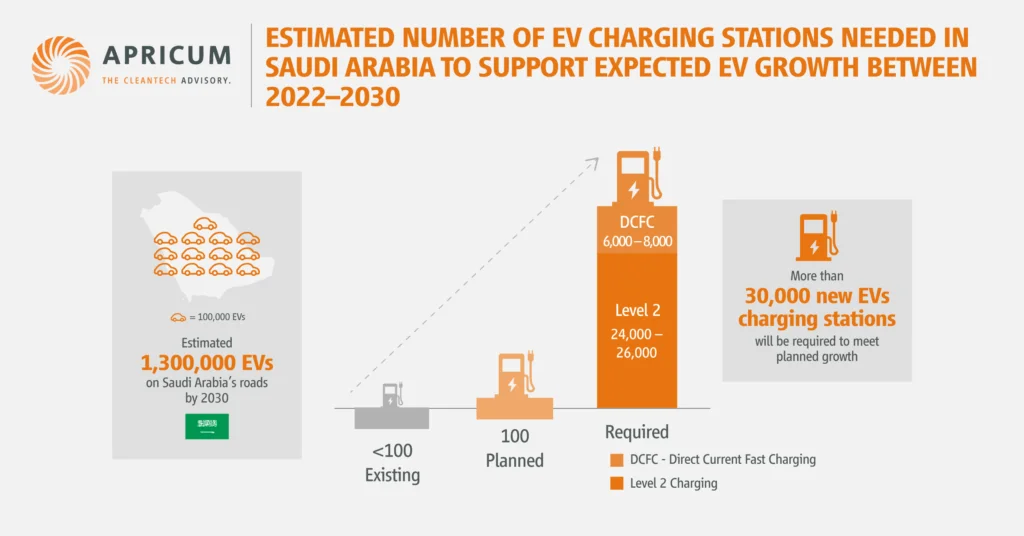
Saudi Arabia had only 101 public chargers in 2024. That limited coverage discouraged long trips. EVIQ’s expansion is changing this perception. By early 2025, 88 fast chargers were deployed across 35 locations. Fifty-six chargers are already operating in major cities, including ultra-fast options.
More importantly, the first highway charging station is now active on the Riyadh–Qassim route. This signals a shift from planning to execution.
Key Insight: Desert Highways Need a Different Strategy
EVIQ’s roadmap recognizes that desert highways are not standard infrastructure projects. Heat, distance, and traffic patterns demand higher capacity and redundancy.
The 2026 strategy prioritizes “desert highways” like the H-40 Riyadh–Jeddah corridor. Chargers are placed at critical midpoints to manage distance and extreme conditions. This design allows EVs to operate reliably across long stretches without fear of being stranded.
By the end of 2025, EVIQ plans to complete 60 charging stations across major cities and highways such as Riyadh–Qassim and Jeddah–Madinah. By 2030, the target rises to 5,000 chargers and 1,000 hubs nationwide, connecting cities like Riyadh, Dammam, Mecca, and Madinah.
Read Also: Electric Mobility Expansion: The Next Phase of Saudi Transport Modernization
From Urban Comfort to Inter-City Confidence Using the Saudi Inter-City EV Charging Network
Saudi Arabia aims for 30% EV penetration by 2030. Local production from Lucid and Ceer supports supply. But demand depends on confidence. Drivers must trust that highways are covered, not just city streets.
For organizations seeking deeper insight into infrastructure strategy, market readiness, and long-term mobility trends, exploring services from Saudi Arabia Transport & Mobility by Eurogroup Consulting is a strong next step. With 40 years of distinguished experience and a sharp focus on market research in the region, Eurogroup Consulting provides strategic clarity and on-the-ground insight. Its teams help businesses understand and succeed in Saudi Arabia’s rapidly evolving mobility and energy landscape, including opportunities tied to the Saudi inter-city EV charging network.