
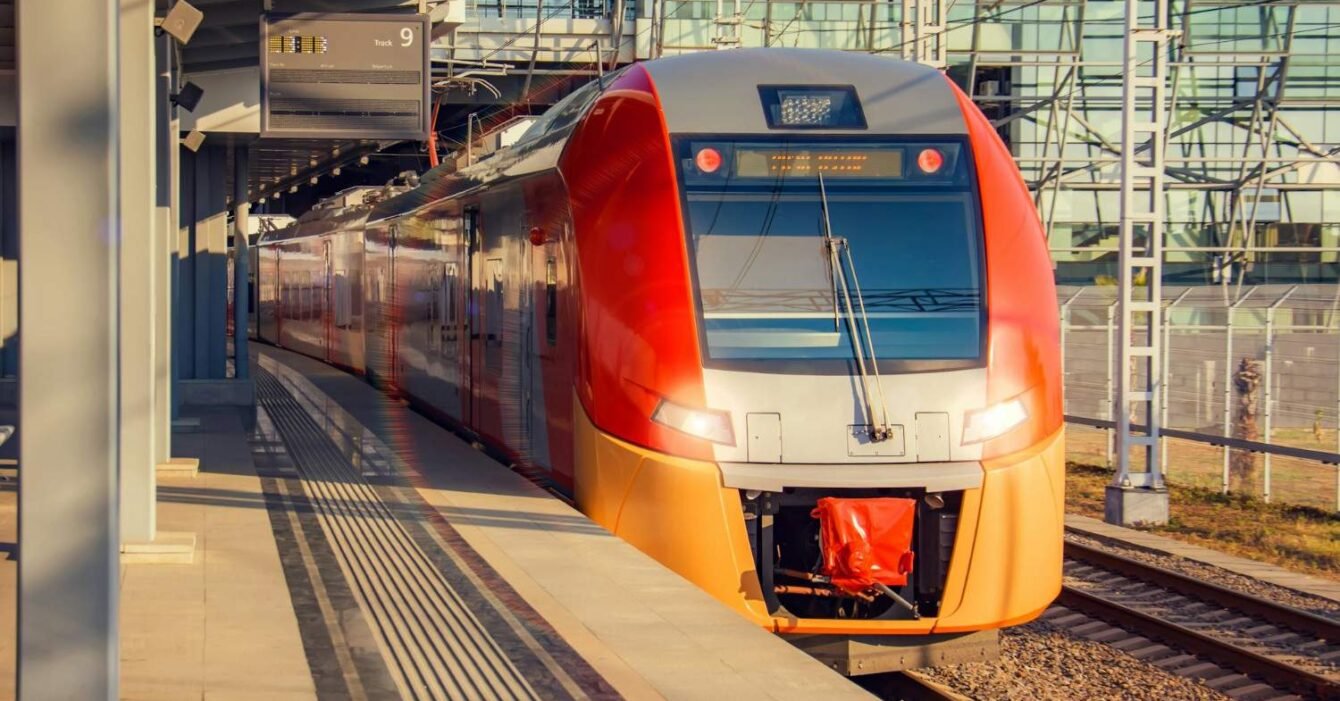
Riyadh is entering a new phase of growth, and Micromobility in Saudi Arabia is at the center of the shift. With the Riyadh Metro now operational and carrying over 100 million riders in less than nine months, the city is seeing rapid changes in real estate behavior, transit-oriented development, and last-mile services.
Property Heatmap: Where Micromobility in Saudi Arabia and Metro Access Boost Value
Property prices in Riyadh are now rising based on one factor above all: proximity to Metro stations. According to detailed market analysis, apartment prices increase by about SAR 96 per square meter for every 500 meters closer a unit is to a station. For a typical 250 sqm apartment, that means roughly SAR 24,000 in added value just by being nearer to the line.
Villa markets are seeing even sharper jumps. In areas like Al Yarmuk, prices surged up to 78% after gaining direct metro access. Meanwhile, similar districts without metro stations grew only in the low-20% range.
This pattern creates a clear “metro premium”, and it mirrors global TOD markets like Hong Kong or London. Except that in Saudi Arabia, it’s happening at breakneck speed.
Read Also: Zero to $1B: Saudi’s Smart Leap in Air Mobility
Walkable Riyadh: How Green Riyadh Reinforces Micromobility in Saudi Arabia
The city is not only building transit; it is redesigning the spaces around it.
The Green Riyadh initiative is adding millions of trees, expanding parks, and connecting neighborhoods with new pedestrian corridors and cycling paths. These pathways link directly to Metro stations to support a “15-minute city” model.
Urban design studies also highlight the integration of cycling networks and multi-modal hubs into mega-projects like King Salman Park, where walking, cycling, and public transit coexist as default options. This shift makes micromobility a practical necessity rather than a lifestyle niche.
Last-Mile Startup Boom: Scooter Apps Meet TOD Demand
Riyadh’s last-mile market is now one of the fastest-growing in the region. The micromobility market in Saudi Arabia — including bikes and e-scooters — is projected to hit USD 463 million in 2025, with steady growth through 2030.

Scooter sharing alone is forecast to reach around USD 3 million in revenue by 2025, with user penetration rising as dense districts attract more riders. Operators like Circ, Go2, and Neuron are targeting employment hubs such as Digital City, the Diplomatic Quarter, and high-population residential areas.
With metro ridership strong and station areas becoming retail and housing magnets, last-mile apps have become a natural extension of daily mobility.
Read Also: TOD in Action: Riyadh’s Metro Spurs Urban Renewal
Riyadh’s Future: TOD, Real Estate, and the Rise of Micromobility in Saudi Arabia
The Riyadh Metro has become more than a transportation project. Now, it is the anchor for a new real estate market, a walkable urban vision, and a thriving last-mile ecosystem. As Micromobility in Saudi Arabia grows, the link between property, transit, and scooters will only strengthen. Organizations looking to understand this fast-evolving market can contact Saudi Arabia Transport & Mobility by Eurogroup Consulting. With 40 years of distinguished global experience, the firm delivers strategic consulting and deep market research across the region. Its expert team provides unmatched insights, making Eurogroup Consulting an essential partner for navigating Saudi Arabia’s shifting urban and mobility landscape.